
 Deals Of The Day
 Top Sellers
 Top Trending
 New Arrivals
 Shop By Brands
Safety Equipment Wash
Shop industrial safety wash equipment at Janeice Products Co Inc, your trusted material handling and industrial supply source based in Aiken, South Carolina. Whether you need emergency eyewash stations, safety showers, combination eyewash and shower units, or portable emergency washing equipment, selecting the right safety solution is essential for workplace preparedness. Our safety equipment category supports industrial facilities, manufacturing plants, laboratories, warehouses, and maintenance environments where employees may be exposed to hazardous chemicals, dust, or other harmful substances. Explore safety wash equipment designed to support workplace emergency response, improve accessibility, and help your facility meet applicable safety requirements.
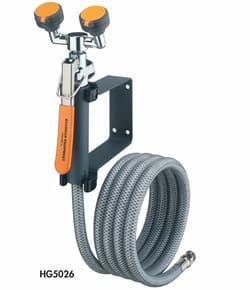
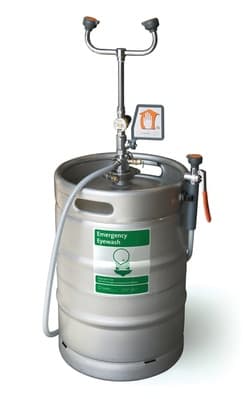
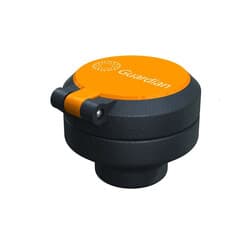
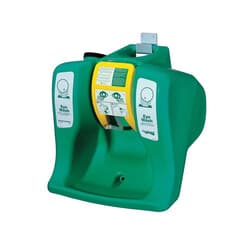
How to Choose the Right Industrial Safety Wash Equipment
Choosing the right safety wash equipment starts with identifying the potential hazards present in your workplace. Facilities that handle chemicals, corrosive substances, industrial cleaning products, or hazardous materials should assess the risk of eye and body exposure before selecting emergency washing equipment. Consider the type of hazard, the number of employees, the location of potential exposure, and the time required to reach the nearest emergency washing station.
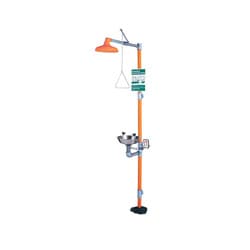
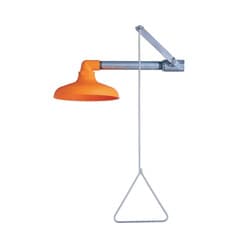
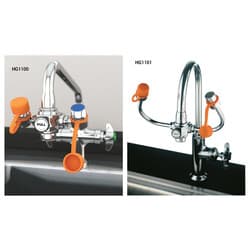
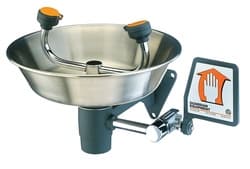
For workplaces where hazardous substances could splash into employees' eyes, emergency eyewash stations provide a dedicated means of flushing the eyes with water. Where employees may experience chemical spills or splashes over their bodies, emergency safety showers may be necessary. Combination eyewash and shower units provide both functions in one installation and can be useful in laboratories, chemical processing areas, and manufacturing facilities.
Installation location is another important consideration. Emergency washing equipment should be positioned close to identified hazards, remain unobstructed, and be accessible without requiring employees to navigate around obstacles. The equipment should be selected and installed according to applicable workplace safety standards, manufacturer instructions, and the specific hazards identified in your facility.
Regular inspection and maintenance are equally important. Check the equipment's water supply, operating mechanisms, drainage arrangements, and overall condition. Establish a routine testing schedule in accordance with the manufacturer's recommendations and applicable safety requirements to help ensure the equipment is ready when an emergency occurs.
Key Features to Look for in Industrial Safety Wash Equipment
-
Equipment Type: Choose an emergency eyewash station, safety shower, combination unit, or portable washing solution according to the hazards identified in your workplace.
-
Accessibility: Ensure the equipment can be reached quickly and safely from areas where chemical or hazardous-material exposure may occur.
-
Water Supply: Verify that the installation provides the required water flow, pressure, temperature, and duration specified by the applicable standards and manufacturer.
-
Construction Material: Select materials compatible with the surrounding environment and the substances handled in your facility. Corrosion-resistant construction may be important in demanding industrial environments.
-
Activation Mechanism: Look for operating controls that are easy to identify and activate during an emergency, including when an employee has limited visibility or mobility.
-
Installation Requirements: Confirm available floor space, mounting arrangements, plumbing connections, drainage, and other site-specific requirements before purchasing equipment.
-
Inspection and Maintenance: Choose equipment that can be inspected, tested, cleaned, and maintained according to manufacturer recommendations.
-
Compliance: Review applicable occupational safety regulations and product specifications to ensure the selected equipment is suitable for your workplace requirements.
Industries That Use Industrial Safety Wash Equipment
-
Manufacturing: Provide emergency washing facilities in production areas where workers may encounter chemicals, industrial liquids, or hazardous materials.
-
Chemical Processing: Support emergency response in facilities handling corrosive chemicals, solvents, and other substances that can damage the eyes or skin.
-
Laboratories: Install suitable eyewash and emergency shower equipment in research, testing, and laboratory environments where chemical exposure risks exist.
-
Pharmaceuticals: Support employee safety in production, testing, and material-handling areas where chemical products and cleaning agents are used.
-
Automotive and Maintenance: Provide access to appropriate emergency washing equipment in workshops and service facilities handling industrial fluids, cleaning chemicals, and batteries.
-
Warehousing and Distribution: Improve emergency preparedness in facilities that store, handle, or distribute chemicals and other hazardous products.
-
Construction and Industrial Operations: Assess the need for emergency washing equipment in work areas involving chemical handling, industrial cleaning, and other identified exposure risks.
Frequently Asked Questions About Industrial Safety Wash Equipment
Q1: What is industrial safety wash equipment used for?
Industrial safety wash equipment is designed to provide emergency flushing of the eyes or body following exposure to certain hazardous substances. Common equipment includes emergency eyewash stations, safety showers, and combination eyewash and shower units. The appropriate solution depends on the type of hazard and the workplace's emergency response requirements.
Q2: What is the difference between an eyewash station and a safety shower?
An emergency eyewash station is designed to flush the eyes following exposure to hazardous substances. A safety shower is designed to flush contaminants from the body and clothing when a more extensive exposure occurs. A combination unit provides both functions and may be appropriate where employees face both eye and body exposure risks.
Q3: When should a workplace install emergency eyewash equipment?
Emergency eyewash equipment may be necessary when employees could be exposed to chemicals or other substances capable of injuring their eyes. Employers should conduct a workplace hazard assessment and review applicable occupational safety requirements to determine the type, location, and specifications of the equipment required.
Q4: Where should safety wash equipment be installed?
Safety wash equipment should be installed in accessible locations near identified exposure hazards, with a clear and unobstructed route. Specific placement, travel distance, signage, and installation requirements depend on the applicable safety standards, hazard assessment, and equipment manufacturer's instructions.
Q5: How often should emergency eyewash stations and safety showers be inspected?
Inspection and testing frequency depends on the equipment type, applicable standards, and manufacturer recommendations. Many plumbed emergency eyewash and shower installations require regular operational testing, often weekly under applicable ANSI/ISEA guidance. Facilities should establish and document an appropriate inspection and maintenance schedule for their equipment.
Q6: What should I consider before purchasing safety wash equipment?
Consider the hazards present, whether eye or full-body flushing is required, the available water supply, installation location, drainage, construction materials, maintenance needs, and applicable safety standards. Review the individual product specifications and consult a qualified safety professional when necessary to select equipment appropriate for your facility.
Q7: Can safety wash equipment be used in chemical handling areas?
Yes. Emergency eyewash stations and safety showers are commonly used in chemical handling and processing environments when required by the identified hazards. Equipment selection must account for the chemicals handled, potential exposure routes, required flushing performance, and applicable safety regulations.
Q8: Does emergency safety wash equipment replace personal protective equipment?
No. Emergency washing equipment is one part of a comprehensive workplace safety program. Appropriate personal protective equipment, hazard controls, employee training, chemical handling procedures, and emergency response planning remain essential for preventing injuries and managing exposure incidents.