
 Deals Of The Day
 Top Sellers
 Top Trending
 New Arrivals
 Shop By Brands
Ergonomic Floor Matting

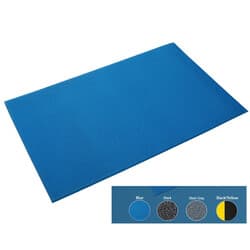
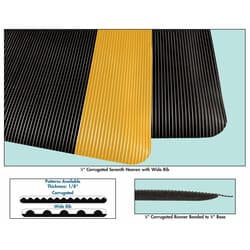
How to Choose the Right Ergonomic Floor Matting
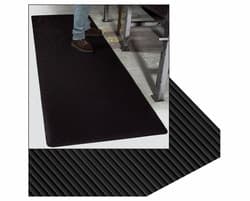
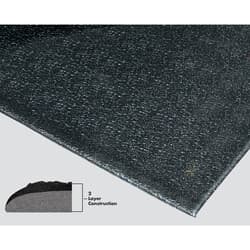
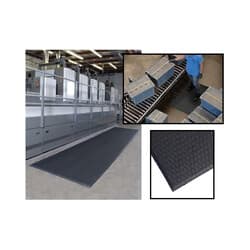
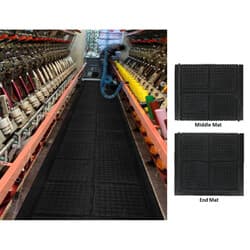
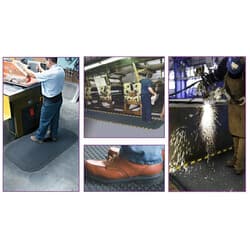
Choosing the right ergonomic floor matting for your facility starts with understanding the work being performed, the type of flooring, and how long employees stand in one place. Workers who spend extended periods standing on hard concrete floors may benefit from anti-fatigue mats designed to provide cushioning and encourage subtle movement. Selecting suitable matting can help improve comfort during repetitive tasks and support a more comfortable working environment.
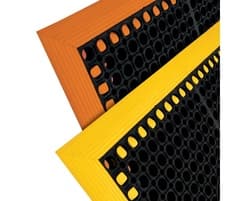
The working environment is another important consideration. Manufacturing plants, assembly lines, and maintenance workshops may require durable mats that resist wear and provide reliable traction. Areas exposed to moisture, oils, or other substances may need specialized slip-resistant or chemical-resistant matting. Always confirm that the selected mat is appropriate for the substances and conditions present in your workplace.
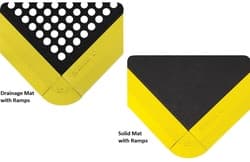
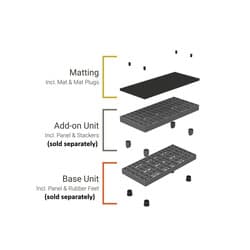
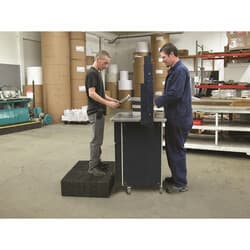
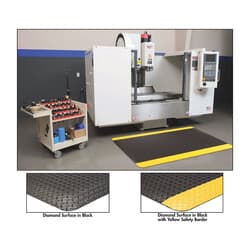
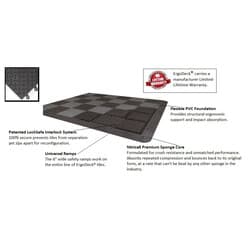
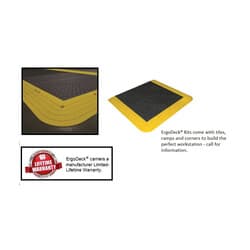
For workstations where employees frequently move between tasks, consider modular matting or interlocking sections that can be arranged to cover the required floor area. For elevated workstations, ergonomic matting can also be used with compatible industrial platform systems to provide a more comfortable standing surface. Check the platform and matting specifications to confirm compatibility before purchasing.
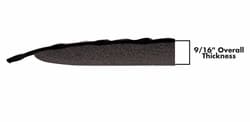
Before ordering, measure the total area that needs coverage and consider the mat's thickness, surface texture, edge design, cleaning requirements, and resistance to workplace hazards. Choosing the right combination of cushioning, traction, and durability can help create a more comfortable and practical work area.
Key Features to Look for in Ergonomic Floor Matting
- Anti-Fatigue Cushioning: Choose matting designed to provide cushioning for employees who stand for extended periods on hard surfaces.
- Slip Resistance: Select a surface texture appropriate for the workplace to help improve traction and reduce slipping risks.
- Durability: Look for materials suitable for the expected foot traffic, equipment movement, and daily industrial use.
- Material and Chemical Resistance: Consider rubber, PVC, or other specialized materials based on exposure to oils, moisture, cleaning agents, and chemicals. Verify the manufacturer's compatibility specifications.
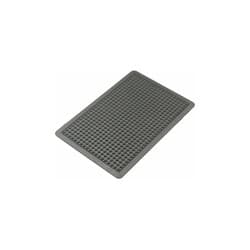
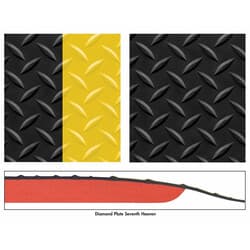
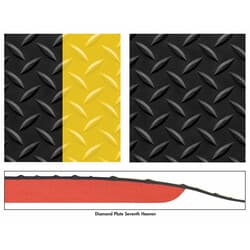
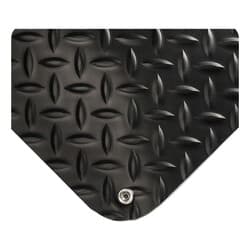
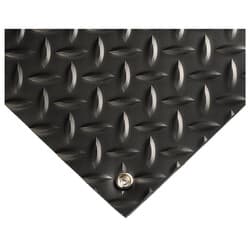
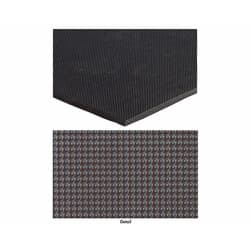
- Surface Texture: Choose a surface that balances traction, standing comfort, and ease of cleaning for the intended application.
- Size and Coverage: Measure workstation dimensions and select individual mats, connected sections, or larger coverage options as appropriate.
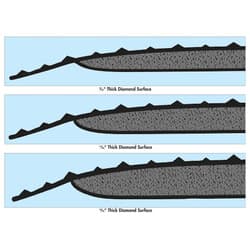
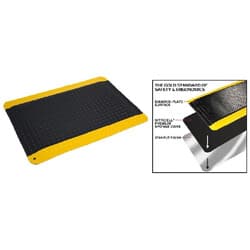
- Edge Design: Beveled edges can help reduce trip hazards around mat boundaries. Confirm the edge configuration offered with each model.
- Maintenance and Cleaning: Select mats that can be cleaned using the methods and products suitable for your facility.
- Workstation Compatibility: Ensure the mat works with surrounding flooring, equipment, carts, and any compatible elevated platform systems.
Industries That Use Ergonomic Floor Matting
- Manufacturing: Provide cushioned standing surfaces for assembly lines, production stations, and repetitive manufacturing tasks.
- Warehousing and Distribution: Improve standing comfort at packing stations, order-picking counters, inspection areas, and shipping workstations.
- Automotive: Support workers at vehicle assembly stations, service bays, repair areas, and parts-handling workspaces.
- Food Processing: Use suitable slip-resistant and easy-to-clean matting in approved work areas, selecting materials appropriate for the specific hygiene and moisture requirements.
- Healthcare and Laboratories: Provide comfortable standing surfaces for staff working at laboratory benches, preparation stations, and service counters, where compatible with hygiene requirements.
- Retail and Commercial Operations: Improve comfort for employees who stand for extended periods at service counters, checkout areas, and workstations.
- Maintenance and MRO: Provide durable floor protection and standing comfort in workshops, repair areas, and equipment maintenance stations.
- Packaging and Assembly: Support employees performing repetitive packing, sorting, inspection, and component assembly tasks.
Frequently Asked Questions About Ergonomic Floor Matting
Q1: What is ergonomic floor matting used for?
Ergonomic floor matting is designed to provide a more comfortable standing surface in workplaces where employees spend extended periods on their feet. Depending on the product, it may offer cushioning, traction, and resistance to workplace wear. It is commonly used in manufacturing, assembly, packaging, warehousing, and maintenance environments.
Q2: What is the difference between anti-fatigue mats and standard floor mats?
Anti-fatigue mats are designed specifically to provide cushioning and support for workers who stand for long periods. Standard floor mats may primarily serve purposes such as protecting floors, collecting dirt, or providing a basic walking surface. The appropriate choice depends on the work activity, standing duration, and environmental conditions.
Q3: Which ergonomic matting is best for industrial workstations?
The best option depends on the workstation environment. Dry assembly areas may benefit from cushioned anti-fatigue matting, while wet or oily work areas may require specialized slip-resistant materials. Consider the expected foot traffic, exposure to substances, cleaning procedures, and whether employees or equipment need to move across the mat.
Q4: Does ergonomic floor matting help reduce worker fatigue?
Anti-fatigue matting is designed to improve comfort for people who stand for extended periods by providing a cushioned surface. Its effectiveness depends on the mat design, the task being performed, footwear, and working conditions. Matting should complement appropriate workstation design, movement breaks, and other ergonomic practices rather than replace them.
Q5: How do I choose the correct size of ergonomic floor mat?
Measure the width and length of the workstation where employees stand and identify the areas that require coverage. Consider the position of workbenches, machinery, doors, and walkways. For larger work areas, modular or connected matting sections may provide more flexible coverage. Ensure that mat edges do not obstruct walkways or create trip hazards.
Q6: Is ergonomic floor matting suitable for wet or oily environments?
Certain matting products are designed for wet or oily environments, but not every mat is suitable for these conditions. Check the manufacturer's specifications for slip resistance, drainage, chemical compatibility, and cleaning requirements. Select a product specifically rated for the substances and conditions present in your facility.
Q7: How should industrial ergonomic mats be maintained?
Follow the manufacturer's cleaning and maintenance instructions. Regularly remove dirt, debris, and accumulated liquids, and inspect the mat for wear, curling edges, cracks, or damage. Replace mats that no longer provide the required traction or stability, and ensure they remain securely positioned during use.
Q8: Can ergonomic floor matting be used with industrial work platforms?
Yes, some ergonomic matting products are compatible with industrial work platforms. Janeice Products offers modular platform systems that can be used with compatible ergonomic matting to support standing comfort at elevated workstations. Verify the platform dimensions, surface design, matting compatibility, and applicable load requirements before installation.