
 Deals Of The Day
 Top Sellers
 Top Trending
 New Arrivals
 Shop By Brands
Work Benches Heavy Duty
Shop heavy duty work benches at Janeice Products Co Inc, your trusted material handling supply source based in Aiken, South Carolina. Whether you need a durable work surface for assembly operations, a heavy-duty steel workbench for manufacturing, a cabinet workbench with integrated tool storage, or a sturdy workstation for maintenance and repair tasks, our catalog offers professional-grade solutions for demanding industrial environments. Designed to support productivity, organization, and reliable daily use, our workbenches are suitable for manufacturing plants, warehouses, workshops, maintenance departments, and commercial facilities nationwide. Find workbench options in different sizes, configurations, and storage styles to match your workspace and operational requirements.


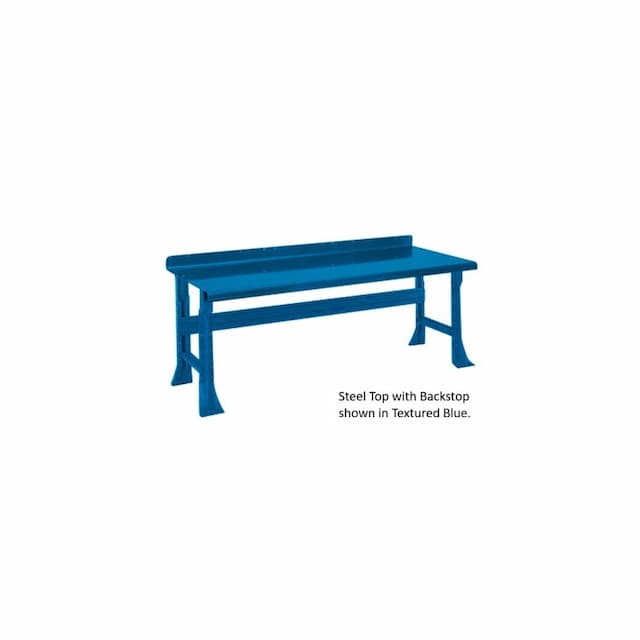
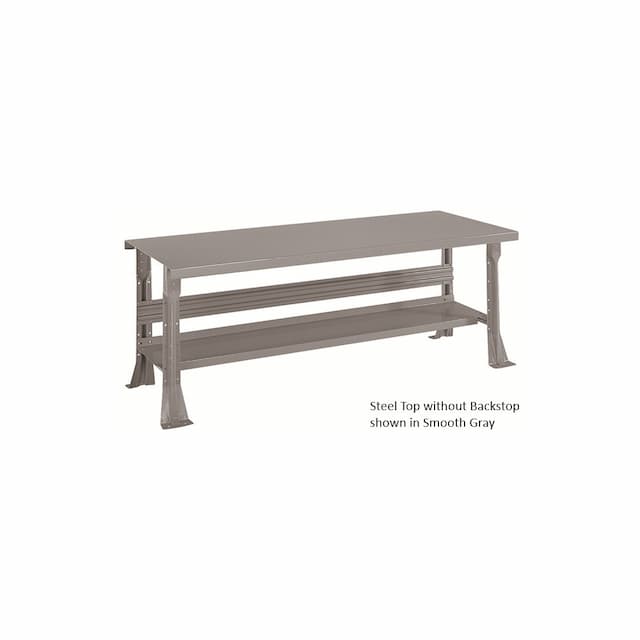
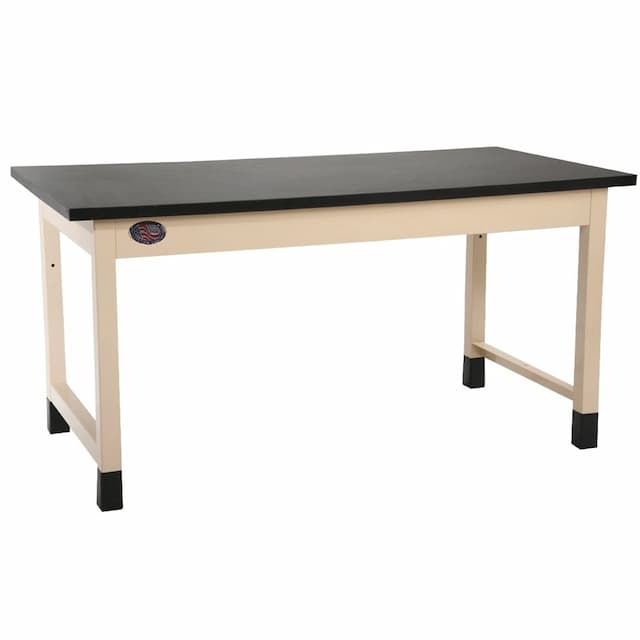
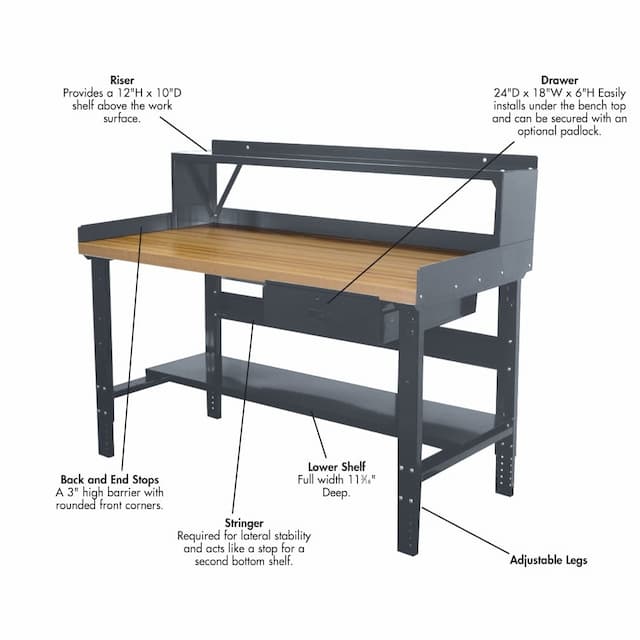
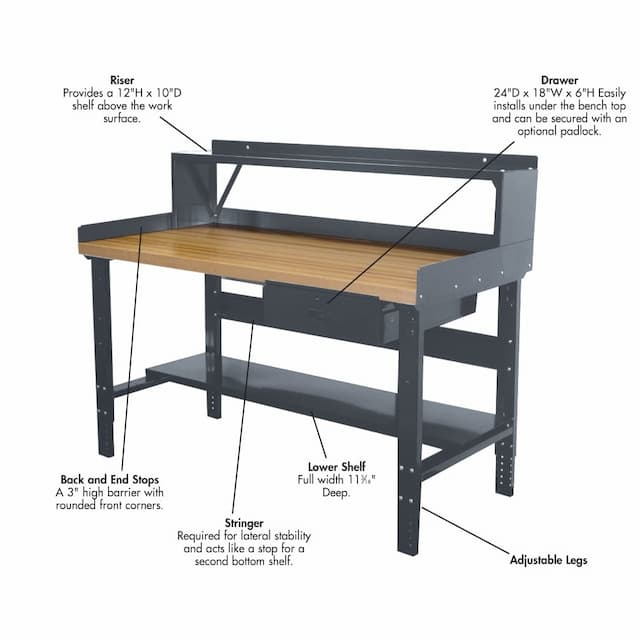
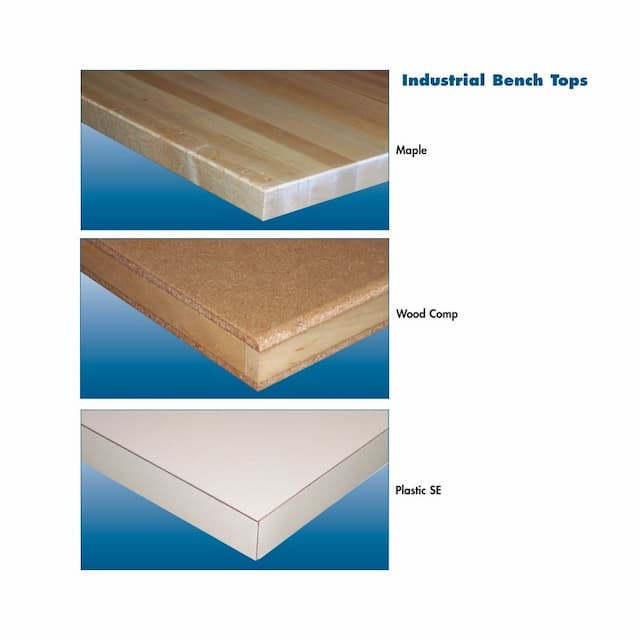

How to Choose the Right Heavy Duty Work Bench
Choosing the right heavy duty work bench for your facility starts with understanding the tasks performed at the workstation, the weight of the materials being handled, and the available workspace. Consider whether the bench will be used for assembly, equipment maintenance, packaging, fabrication, or general industrial work. The work surface should provide sufficient space for tools, components, and equipment while offering the strength and stability required for your daily operations.
Construction is an important factor when selecting an industrial workbench. Heavy-duty steel frames and welded construction can provide a sturdy foundation for demanding applications. For example, all-welded cabinet workbenches available through Janeice Products combine a robust work surface with enclosed storage, making them suitable for workplaces that need both a functional work area and organized tool storage.
Storage requirements should also influence your decision. Workbenches with drawers, cabinets, or shelves help keep tools, fasteners, spare parts, and supplies within reach. If employees frequently change tasks or work with different materials, consider a configuration that allows convenient access to essential equipment without cluttering the work surface.
Finally, check the workbench dimensions, height, rated load capacity, and available accessories before ordering. Ensure the bench fits your floor space and supports the tools, materials, and equipment used in your application. Selecting the right workstation can help improve organization, workflow efficiency, and long-term usability.
Key Features to Look for in Heavy Duty Work Benches
-
Load Capacity: Choose a workbench with a rated capacity suitable for the combined weight of your tools, materials, and equipment. Follow the manufacturer's load-rating instructions.
-
Frame Construction: Look for heavy-duty steel construction and sturdy welded frames when durability and stability are priorities.
-
Work Surface: Select a work surface appropriate for your tasks, whether you perform general assembly, maintenance, packaging, or component handling.
-
Storage Options: Drawers, cabinets, and shelves provide convenient storage for tools, parts, and supplies while keeping the main work surface organized.
-
Dimensions and Height: Check the bench width, depth, and working height to ensure it fits your facility and supports comfortable, efficient work.
-
Workbench Configuration: Choose a fixed, cabinet-style, adjustable-height, or specialized workstation based on the requirements of your operation and the models available.
-
Accessories and Organization: Consider compatible shelves, drawers, lighting, and other workstation accessories when offered for the selected model.
-
Stability and Safety: Ensure the bench is installed on a suitable floor and used within its rated capacity. Secure the workstation as recommended by the manufacturer.
Industries That Use Heavy Duty Work Benches
-
Manufacturing: Assembly operations, component preparation, production tasks, and quality inspections.
-
Warehousing and Distribution: Packing, labeling, order preparation, product inspection, and inventory handling.
-
Automotive: Vehicle maintenance, parts organization, component repairs, and workshop tasks.
-
Construction and MRO: Equipment servicing, tool organization, repair work, and maintenance activities.
-
Metalworking and Fabrication: Preparing materials, assembling components, and supporting suitable workshop operations.
-
Electrical and Electronics: Component assembly, equipment servicing, testing, and repair using workbenches configured for the application.
-
Industrial Maintenance: Routine equipment maintenance, spare-parts handling, and repair tasks in production facilities.
-
Commercial Workshops: General-purpose workstations for tools, supplies, product preparation, and everyday operational activities.
Frequently Asked Questions About Heavy Duty Work Benches
Q1: What is a heavy duty work bench used for?
A heavy duty work bench provides a stable work surface for industrial and commercial tasks such as assembly, maintenance, repairs, packaging, and material preparation. It is designed for applications that require a more robust workstation than a typical office or household table.
Q2: How do I choose the correct load capacity for a workbench?
Calculate the combined weight of the materials, tools, equipment, and other items that will be placed on the bench. Select a workbench with a manufacturer-rated capacity that meets your requirements, and follow any specified load-distribution limits. Do not exceed the stated capacity.
Q3: What is the difference between a standard workbench and an all-welded workbench?
A standard workbench may use a bolted or modular frame, depending on the model. An all-welded workbench uses welded structural components to create an integrated frame. The appropriate choice depends on the required stability, configuration, installation needs, and intended workload.
Q4: Are heavy duty work benches available with storage cabinets and drawers?
Yes. Janeice Products offers cabinet workbench options, including all-welded cabinet workbenches designed to combine a work surface with storage. Depending on the model, storage configurations may include drawers, cabinets, or other compartments. Check the individual product specifications for the exact configuration.
Q5: How do I determine the right workbench size and height?
Measure the available floor space and consider the size of the products, tools, and equipment used at the workstation. Select a width and depth that provide adequate working space without obstructing movement. The work height should suit the tasks being performed and the users' working positions. Verify the dimensions and height-adjustment features, if any, in the product specifications.
Q6: Can heavy duty work benches be used in manufacturing and maintenance facilities?
Yes. Heavy duty workbenches are commonly used in manufacturing plants, maintenance departments, workshops, and repair facilities. The right configuration depends on the task, load requirements, work surface, storage needs, and environmental conditions. Always confirm that the selected workbench is suitable for the intended application before purchasing.