
 Deals Of The Day
 Top Sellers
 Top Trending
 New Arrivals
 Shop By Brands
Work Benches Electronic
Shop electronic work benches at Janeice Products Co Inc, your trusted material handling supply source based in Aiken, South Carolina. Whether you need an ESD-safe workstation for sensitive electronic components, an adjustable workbench for electronics assembly, or a versatile bench for testing, inspection, and repair operations, our catalog offers professional workstation solutions for industrial and technical environments. Designed to support organized workflows, efficient component handling, and comfortable working conditions, electronic work benches are ideal for electronics manufacturers, laboratories, repair centers, quality control departments, and technical workshops nationwide.
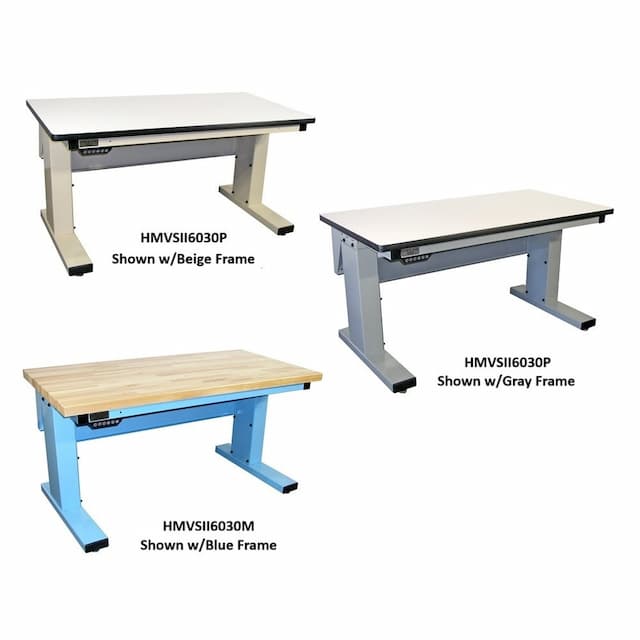
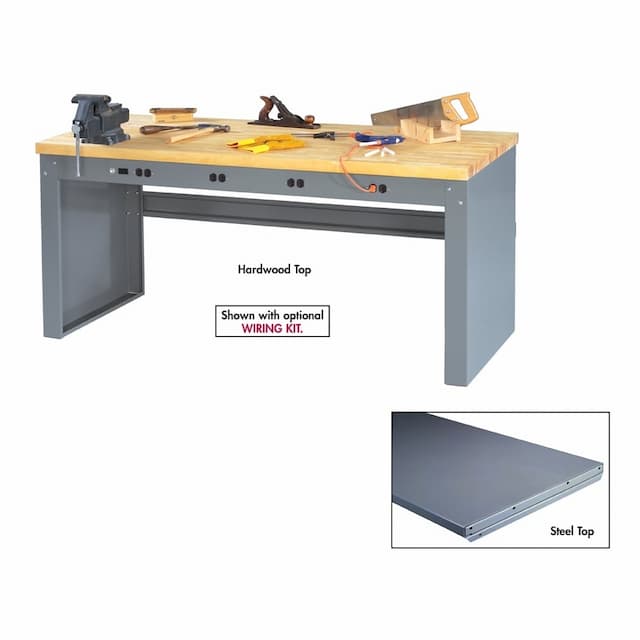
How to Choose the Right Electronic Work Bench
Choosing the right electronic work bench starts with understanding your work process, equipment requirements, and the level of protection needed for sensitive electronic components. Consider the type of tasks performed at the workstation, the tools and testing equipment required, available workspace, and the number of employees who will use the bench. A properly selected workstation helps improve organization, productivity, and comfort during electronics assembly, inspection, and repair.
For environments handling circuit boards, semiconductors, microchips, and other electrostatic-sensitive devices, an ESD-safe workbench is an important consideration. Electrostatic discharge can damage sensitive electronic components, sometimes without visible signs of failure. ESD workstations may include conductive or dissipative work surfaces, grounding points, wrist strap connections, and compatible accessories to help control static electricity.
Adjustability is another important factor when selecting an electronic work bench. Height-adjustable workstations can accommodate different operators and working positions, while modular benches allow businesses to configure shelves, drawers, lighting, and tool holders according to their workflow. Before purchasing, verify the bench's load capacity, work surface dimensions, grounding provisions, and compatibility with the equipment used in your facility.
Key Features to Look for in Electronic Work Benches
-
ESD Protection: For sensitive electronics, select a workstation with suitable static-dissipative or conductive surfaces and grounding provisions. Confirm that the complete setup meets your ESD control requirements.
-
Work Surface: Choose a durable, stable surface that accommodates circuit boards, instruments, tools, and electronic assemblies.
-
Adjustable Height: Height-adjustable benches help accommodate different operators and support comfortable working positions during detailed assembly and testing tasks.
-
Load Capacity: Check the manufacturer's rated load capacity to ensure the bench can safely support equipment, components, instruments, and accessories.
-
Storage and Organization: Drawers, shelves, bins, and tool holders help keep components and frequently used equipment organized and accessible.
-
Lighting and Accessories: Task lighting, monitor arms, power access, and equipment mounting options can improve visibility and workstation efficiency when compatible with the selected model.
-
Durability and Stability: Choose a robust frame and construction suitable for the demands of your production, laboratory, or repair environment.
-
Workstation Dimensions: Measure your available floor space and confirm the bench width, depth, and working height before ordering.
Industries That Use Electronic Work Benches
-
Electronics Manufacturing: Circuit board assembly, component installation, soldering, and production-line electronics work.
-
Electrical Engineering: Electrical component assembly, wiring, inspection, and technical development tasks.
-
Laboratories and Research Facilities: Electronic experiments, instrument testing, prototype development, and component evaluation.
-
Repair and Maintenance Centers: Troubleshooting, repairing, and servicing electronic devices, circuit boards, and equipment.
-
Aerospace and Defense: Electronics assembly, inspection, and maintenance in specialized technical environments where appropriate ESD controls are required.
-
Telecommunications: Assembly, testing, and maintenance of electronic modules, communication equipment, and circuit boards.
-
Quality Control and Testing: Inspection, measurement, functional testing, and verification of electronic products.
-
Educational and Technical Training Facilities: Electronics experiments, circuit assembly, equipment demonstrations, and hands-on technical training.
Frequently Asked Questions About Electronic Work Benches
Q1: What is an electronic work bench used for?
An electronic work bench provides a dedicated workspace for assembling, testing, inspecting, and repairing electronic components and equipment. It can support tasks such as circuit board assembly, soldering, electrical testing, prototyping, and technical maintenance. Depending on the model, it may accommodate specialized work surfaces, equipment mounts, storage accessories, and ESD control features.
Q2: What is an ESD-safe electronic work bench?
An ESD-safe workbench is designed to help control electrostatic discharge that can damage sensitive electronic components. Depending on its configuration, it may include a static-dissipative work surface, grounding points, and connections for wrist straps or other ESD accessories. The workstation should be selected and configured according to the requirements of your ESD control program.
Q3: Are electronic work benches available with adjustable height?
Yes, adjustable-height workbenches are available for applications requiring greater flexibility in workstation positioning. They can help accommodate different operators and support seated or standing work, depending on the model. Always verify the adjustment range, load capacity, and adjustment mechanism in the product specifications.
Q4: What accessories can be used with electronic work benches?
Depending on the workstation design, useful accessories may include shelves, drawers, task lights, tool holders, monitor arms, power strips, and ESD grounding accessories. Confirm that each accessory is compatible with the selected bench and appropriate for your application.
Q5: How do I choose the correct size electronic work bench?
Start by measuring the available floor space and identifying the equipment and materials that must fit on the work surface. Consider the width and depth required for instruments, circuit boards, tools, and storage accessories. Also allow enough space for operators to move comfortably and perform tasks safely. Check the manufacturer's dimensions and load ratings before placing an order.
Q6: Can electronic work benches be used for circuit board assembly and testing?
Yes, electronic work benches are commonly used for circuit board assembly, component installation, inspection, troubleshooting, and testing. For electrostatic-sensitive components, choose a suitable ESD-controlled workstation and use compatible grounding equipment and handling procedures.
Q7: What should I consider when buying an electronic work bench for industrial use?
Consider the type of electronic work performed, ESD protection requirements, work surface material, load capacity, height adjustment, storage options, lighting, equipment compatibility, and available floor space. Selecting a workstation that matches your workflow can help improve organization, operator comfort, and efficiency in electronics manufacturing, testing, and maintenance environments.