
 Deals Of The Day
 Top Sellers
 Top Trending
 New Arrivals
 Shop By Brands
Wire Containers
Shop industrial wire containers at Janeice Products Co Inc, your trusted material handling supply source based in Aiken, South Carolina. Whether you need durable wire containers for warehouse storage, reusable containers for manufacturing operations, or wire mesh containers for organizing and transporting industrial parts, our material handling solutions help businesses improve inventory organization and handling efficiency. Designed for demanding commercial and industrial environments, wire containers provide practical storage options for warehouses, distribution centers, manufacturing plants, automotive facilities, and maintenance departments. Explore our product selection to find wire container solutions suited to your storage, handling, and operational requirements.
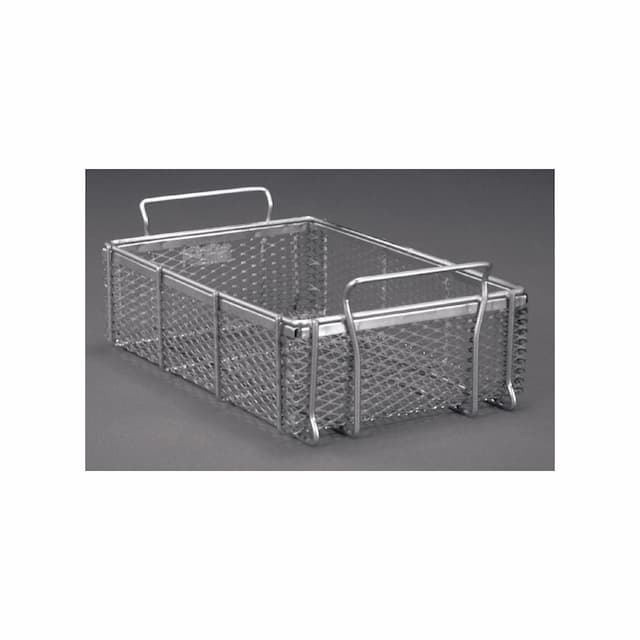
How to Choose the Right Wire Containers
Choosing the right wire containers for your facility starts with understanding the type, size, and weight of the materials you need to store or transport. Consider the container's dimensions, load capacity, mesh construction, accessibility, and compatibility with your existing material handling equipment. Selecting the right wire container helps improve workplace organization, simplify inventory handling, and make better use of available storage space.
For warehouse and manufacturing operations, wire containers provide practical storage for components, parts, supplies, and other industrial materials. Their open mesh construction allows visibility of stored contents and promotes airflow, making it easier for employees to identify items and monitor inventory. Depending on the design, wire containers can also support organized storage and movement between receiving, production, and shipping areas.
When selecting wire containers, consider how they will be used throughout your facility. Containers intended for stationary storage may have different requirements from those used for frequent movement or material transport. If you plan to move loaded containers using forklifts, pallet jacks, or other handling equipment, verify that the container design is compatible with the intended equipment and operating conditions.
Before placing an order, review the manufacturer's specifications for overall dimensions, load capacity, stacking capability, and available accessories. Confirm that the selected container fits your storage area and meets your facility's handling and safety requirements.
Key Features to Look for in Industrial Wire Containers
-
Construction and Durability: Choose sturdy wire construction suitable for your storage environment and intended application.
-
Load Capacity: Verify the manufacturer's rated capacity and ensure it accommodates the weight of your materials without exceeding the specified limits.
-
Dimensions and Storage Space: Measure the available floor, shelf, or staging area to ensure the container fits your facility's layout.
-
Visibility and Airflow: Open wire mesh construction allows users to identify stored items more easily and supports airflow around the contents.
-
Handling Compatibility: If containers will be moved frequently, check compatibility with your material handling equipment and transportation procedures.
-
Stacking Capability: If vertical storage is required, select containers specifically designed for stacking and follow the manufacturer's stacking and load restrictions.
-
Access and Loading: Consider how employees will load, unload, and retrieve materials from the container during daily operations.
-
Finish and Environment: Select an appropriate wire finish based on exposure to moisture, cleaning requirements, and the conditions in which the container will be used.
Industries That Use Industrial Wire Containers
-
Manufacturing: Store production components, work-in-process materials, assembly parts, and manufacturing supplies.
-
Warehousing & 3PL: Organize inventory, manage receiving operations, and support storage and order fulfillment activities.
-
Automotive: Handle automotive components, replacement parts, production supplies, and service materials.
-
Distribution & Logistics: Organize goods during sorting, staging, handling, and movement between operational areas.
-
Construction & MRO: Store tools, hardware, spare parts, and maintenance supplies in workshops and industrial facilities.
-
Retail & Wholesale: Manage back-room inventory, merchandise handling, and bulk product organization.
-
Recycling & Industrial Processing: Collect and organize suitable materials and components for sorting and processing, depending on the container design.
Frequently Asked Questions About Industrial Wire Containers
Q1: What are industrial wire containers used for?
Industrial wire containers are used to store, organize, and handle materials in warehouses, manufacturing plants, distribution centers, and other industrial environments. They can help manage components, parts, supplies, and other goods while providing visibility of stored contents.
Q2: What are the benefits of wire containers compared with solid containers?
Wire containers offer open mesh construction that improves visibility and airflow around stored materials. This can make it easier to identify inventory and inspect contents without completely unloading the container. Solid containers may be more suitable when enclosed storage or protection from small debris is a priority.
Q3: Can wire containers be used for heavy-duty industrial storage?
Yes, wire containers can be suitable for industrial storage applications, provided the selected model is rated for the intended load. Always review the manufacturer's specifications for weight capacity, construction, and permitted usage before storing heavy materials.
Q4: Are wire containers suitable for warehouse material handling?
Wire containers can support warehouse storage, staging, and material handling operations. If you intend to move loaded containers using forklifts, pallet jacks, or other equipment, confirm that the specific container is designed for that handling method and that the equipment is compatible with its construction.
Q5: Can wire containers be stacked to save space?
Some wire containers are designed for stacking, which can help maximize vertical storage space. However, stacking capability depends on the specific model, its construction, the load being stored, and the manufacturer's guidelines. Verify the permitted stacking configuration and weight limits before stacking containers.
Q6: What should I consider before purchasing wire containers?
Before ordering, evaluate the container's dimensions, rated load capacity, mesh design, finish, handling requirements, and compatibility with your existing storage systems. You should also consider how frequently the container will be moved, how materials will be accessed, and whether stacking or specialized handling features are necessary.
Q7: Are wire containers suitable for transporting materials between departments?
Wire containers may be suitable for moving materials between receiving, production, storage, and shipping areas when their design supports the intended application. Check the container's handling features, load rating, and compatibility with your transportation equipment before use.