
 Deals Of The Day
 Top Sellers
 Top Trending
 New Arrivals
 Shop By Brands
Trucks Platform
How to Choose the Right Industrial Platform Truck
Choosing the right platform truck for your facility starts with understanding the weight, dimensions, and type of materials you need to transport. Consider the size of your loads, the distance they must travel, the condition of your floors, and how frequently the truck will be used. Selecting a platform with sufficient load capacity and suitable dimensions helps improve handling efficiency and supports safer material movement.
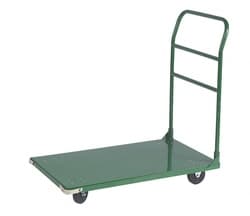
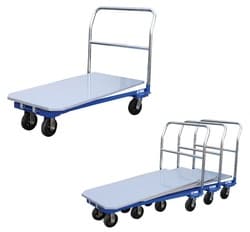
For general warehouse and workshop operations, steel platform trucks provide a durable surface for transporting cartons, tools, equipment, and supplies. Economy steel platform trucks are suitable for routine material handling tasks, while nesting platform trucks are useful when multiple trucks must be stored in limited space. Janeice Products lists both economy steel and nesting platform trucks in this category.
Wheel selection is another important consideration. The right casters can make a difference in maneuverability, rolling resistance, and performance on different floor surfaces. Consider whether the truck will operate on smooth warehouse floors, concrete, or areas with thresholds and uneven surfaces. Also check whether the handle design provides comfortable control and whether the platform dimensions accommodate your largest loads.
Before ordering, verify the truck's rated load capacity, platform dimensions, overall height, wheel configuration, and storage requirements. Always distribute loads evenly across the platform and follow the manufacturer's operating instructions to help maintain safe and reliable performance.
Key Features to Look for in Industrial Platform Trucks
-
Load Capacity: Choose a truck with a rated capacity suitable for the heaviest loads you expect to transport. Never exceed the manufacturer's stated limit.
-
Platform Size: Check the platform's length and width to ensure boxes, equipment, and other materials fit securely without excessive overhang.
-
Construction Material: Steel platforms are a practical choice for many industrial and commercial material handling applications.
-
Wheel and Caster Design: Select appropriate wheels based on floor conditions, load weight, maneuverability, and frequency of use.
-
Handle Design: Look for a comfortable, secure handle that provides good control when pushing and steering the truck.
-
Nesting Capability: Nesting platform trucks can help reduce storage space when several trucks are not in use.
-
Maneuverability: Consider aisle width, turning space, and access through doorways when selecting a truck for your facility.
-
Safety and Stability: Choose a platform truck with a suitable load rating and stable design. Distribute materials evenly and secure loads when necessary.
Industries That Use Industrial Platform Trucks
-
Manufacturing: Move components, tools, work-in-progress materials, and finished goods between production stations.
-
Warehousing & 3PL: Transport cartons, packaged inventory, picking orders, and supplies throughout warehouse facilities.
-
Retail & Distribution: Move merchandise, replenishment stock, and packaged products between storage and sales areas.
-
Construction & MRO: Transport tools, maintenance supplies, hardware, and equipment around workshops and service facilities.
-
Automotive: Move replacement parts, components, tools, and supplies between service bays and storage areas.
-
Office & Commercial Facilities: Transport office supplies, cartons, equipment, and deliveries between departments.
-
Shipping & Receiving: Move incoming packages, outbound orders, and packed materials between receiving, staging, and dispatch areas.
Frequently Asked Questions About Industrial Platform Trucks
Q1: What is an industrial platform truck used for?
Industrial platform trucks are used to transport boxes, cartons, equipment, tools, and other materials across warehouses, manufacturing facilities, workshops, and commercial environments. Their flat loading surfaces make them suitable for moving items that are too bulky or heavy to carry comfortably by hand.
Q2: What is the difference between an economy steel platform truck and a nesting platform truck?
An economy steel platform truck is designed for everyday material transportation using a steel platform. A nesting platform truck is designed to allow multiple compatible trucks to fit together or nest when stored, helping reduce the space required when the trucks are not in use. Check individual product specifications for construction details and nesting requirements.
Q3: How do I determine the correct load capacity for a platform truck?
Calculate the maximum total weight of the materials you expect to transport in a single load. Select a platform truck with a manufacturer-rated capacity that meets this requirement, and distribute the weight evenly across the platform. Never exceed the stated load limit.
Q4: What platform size should I choose?
Choose a platform that accommodates the length, width, and arrangement of your typical loads. Measure your largest cartons or equipment before ordering, and consider whether the truck must pass through narrow aisles, doorways, or other restricted areas.
Q5: Are platform trucks suitable for warehouse and manufacturing environments?
Yes. Platform trucks are commonly used in warehouses, manufacturing plants, distribution centers, and workshops to move materials between storage locations, workstations, and shipping areas. The best model depends on the load capacity, floor conditions, available space, and frequency of use.
Q6: How should I maintain an industrial platform truck?
Inspect the wheels, casters, handle, platform, fasteners, and other moving components regularly. Remove debris that could interfere with wheel movement, check for loose or damaged parts, and follow the manufacturer's maintenance recommendations. Remove damaged trucks from service until they have been properly repaired.
Q7: Can platform trucks be stored efficiently when not in use?
Yes. Nesting platform trucks can reduce the amount of floor space required for storing multiple trucks, provided the selected models are designed for nesting. Before purchasing several units, confirm the nesting configuration and the space required for the stored trucks.
Q8: Where can I purchase industrial platform trucks?
You can explore the available models in the Janeice Products Platform Trucks category. Review each product's specifications, dimensions, and load capacity to find an option that suits your material handling requirements. For assistance, contact Janeice Products Co Inc at +1 803-652-3025.