
 Deals Of The Day
 Top Sellers
 Top Trending
 New Arrivals
 Shop By Brands
Trucks Lift
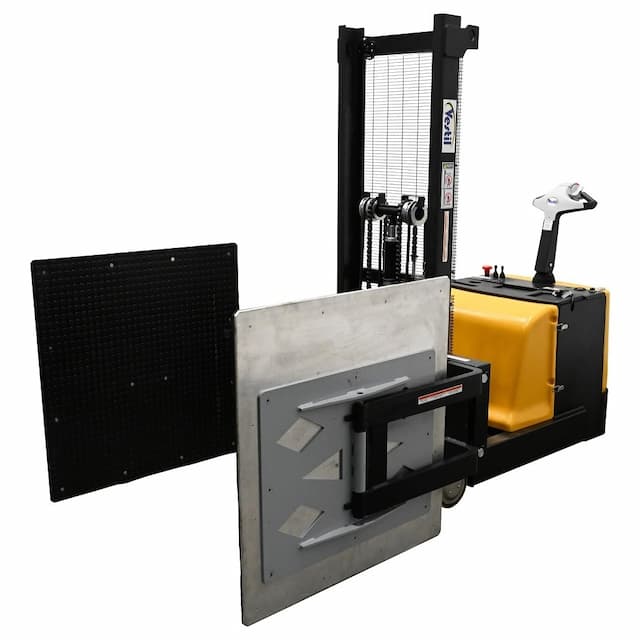
How to Choose the Right Industrial Lift Truck
Choosing the right industrial lift truck starts with understanding the type of material you need to move, its weight, and the height to which it must be lifted. Consider whether your application involves lifting pallets, moving heavy equipment, positioning materials at workstations, or transporting loads across your facility. Selecting the appropriate equipment can improve workflow efficiency, reduce manual handling, and support safer material movement.
For warehouse and distribution operations, lift trucks designed for pallet handling and load positioning can help move materials between storage areas, loading zones, and picking stations. For manufacturing and assembly environments, lifting equipment can assist employees in positioning components at suitable working heights and transferring materials between production stages.
The available floor space and operating conditions are also important. Consider aisle widths, floor surfaces, turning space, and the frequency of lifting operations before selecting a model. Some applications may require manually operated equipment, while others benefit from powered lifting mechanisms that reduce physical effort during repetitive tasks.
Before purchasing, verify the equipment's rated load capacity, maximum lifting height, platform or fork dimensions, maneuverability, and power requirements. Always follow the manufacturer's operating instructions and ensure that the selected equipment is suitable for the intended load and working environment.
Key Features to Look for in Industrial Lift Trucks
-
Load Capacity: Select a lift truck with a rated capacity suitable for the maximum weight of your materials. Never exceed the manufacturer's specified load limit.
-
Lifting Height: Check the maximum lifting height required for your shelving, workstations, loading areas, or material positioning tasks.
-
Manual or Powered Operation: Choose manual equipment for suitable occasional lifting tasks or powered equipment for frequent operations requiring reduced manual effort.
-
Maneuverability: Consider wheel design, turning radius, aisle width, and floor conditions to ensure the equipment can move efficiently through your facility.
-
Fork and Platform Dimensions: Confirm that the lifting surface or forks accommodate your pallets, containers, and other loads securely.
-
Construction and Durability: Look for robust materials and construction suitable for your facility's operating conditions and expected usage.
-
Safety Features: Check for appropriate brakes, load-control mechanisms, stability features, and other safety provisions specified for the equipment.
-
Maintenance Requirements: Review inspection, servicing, battery maintenance where applicable, and replacement-part availability to support long-term operation.
Industries That Use Industrial Lift Trucks
-
Warehousing & Distribution: Move palletized goods, replenish storage locations, and transfer inventory between receiving, picking, and dispatch areas.
-
Manufacturing: Transport raw materials, components, and finished products between production lines and workstations.
-
Automotive: Handle assemblies, replacement parts, components, and materials in production and service facilities.
-
Construction & Building Materials: Support the movement and positioning of suitable loads in workshops, storage facilities, and material supply areas.
-
Retail & Wholesale: Assist with stock movement, inventory replenishment, and loading or unloading operations.
-
Logistics & Shipping: Improve material movement in freight handling, distribution, and dispatch operations.
-
Maintenance & MRO: Position heavy components, equipment, and supplies for servicing, repairs, and facility maintenance.
Frequently Asked Questions About Industrial Lift Trucks
Q1: What are industrial lift trucks used for?
Industrial lift trucks are used to lift, move, and position materials in warehouses, manufacturing plants, distribution centers, and other industrial facilities. Depending on the equipment type, they can support pallet handling, load positioning, and material transfer between work areas.
Q2: How do I choose the correct load capacity for a lift truck?
Determine the maximum weight of the loads you need to handle and select equipment with a rated capacity suitable for those loads. Consider how the load is distributed and whether attachments or different lifting heights affect the equipment's rated capacity. Always follow the manufacturer's load charts and operating guidelines.
Q3: What is the difference between manual and powered lift trucks?
Manual lift trucks rely on an operator to move or operate the equipment using a manual mechanism, while powered models use an electric or other power system for some or all lifting and movement functions. The appropriate option depends on load weight, operating frequency, travel distance, and facility requirements.
Q4: Can lift trucks be used in warehouses with narrow aisles?
Yes, certain lift truck models are designed for confined workspaces and narrow aisles. However, suitability depends on the equipment's overall dimensions, turning radius, lifting height, and load size. Measure your available aisle width and storage clearances before selecting a model.
Q5: What safety precautions should be followed when operating lift trucks?
Operators should receive the training required for the specific equipment, inspect it before use, observe rated load limits, secure loads properly, and follow the manufacturer's operating instructions. Keep people clear of raised loads, use equipment only on suitable surfaces, and never allow anyone to stand beneath an elevated load.
Q6: How do I maintain an industrial lift truck?
Follow the manufacturer's recommended inspection and maintenance schedule. Check wheels, brakes, lifting mechanisms, hydraulic components, and structural parts as applicable. For powered models, inspect batteries, charging systems, and electrical components according to the manufacturer's instructions. Remove damaged equipment from service until it has been inspected and repaired.
Q7: Can I use a lift truck for repetitive material handling tasks?
Yes. Selecting a lift truck suited to your load weight, lifting frequency, and work environment can improve efficiency during repetitive material handling operations. For frequent lifting, consider powered options or ergonomic lifting equipment that reduces unnecessary physical effort.