
 Deals Of The Day
 Top Sellers
 Top Trending
 New Arrivals
 Shop By Brands
Tables Lift
Shop industrial lift tables at Janeice Products Co Inc, your trusted material handling supply source based in Aiken, South Carolina. Whether you need hydraulic scissor lift tables for heavy-duty lifting, adjustable-height platforms for ergonomic workstations, or lifting solutions for positioning materials at convenient working heights, our catalog offers equipment designed to support demanding industrial operations. Lift tables help reduce repetitive bending, improve material handling efficiency, and position heavy loads for assembly, packaging, maintenance, and production tasks. We serve warehouses, manufacturing plants, distribution centers, and industrial facilities nationwide with professional material handling solutions.
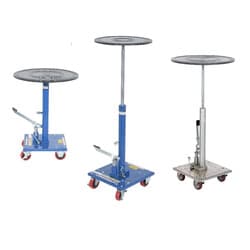
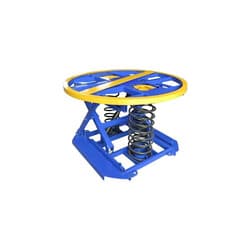
How to Choose the Right Industrial Lift Table
Choosing the right industrial lift table starts with understanding the weight, dimensions, and handling requirements of the materials you need to raise or lower. Consider the maximum load capacity, platform size, lifting height, lowered height, and frequency of use. A properly selected lift table helps position materials at comfortable working heights, reduces unnecessary bending and lifting, and improves workflow efficiency in industrial environments.
Hydraulic scissor lift tables are suitable for applications that require controlled vertical lifting and stable load positioning. Heavy-duty models are available for demanding industrial applications and can be used for assembly operations, machine loading, material staging, and production workstations. For example, certain scissor lift tables offered by Janeice Products feature industrial-duty steel construction, hydraulic cylinders, and platform configurations designed for heavy loads. Always verify the specifications of the individual model before selecting equipment for your operation.
Your workspace and operating requirements are equally important. Determine whether a stationary lift table or a mobile configuration is better suited to your facility. Stationary units are useful for dedicated workstations, while suitable mobile models can help transport and position materials between work areas. Also consider available electrical power, operating controls, lifting speed, and any required accessories.
Before ordering, check the manufacturer's rated capacity, platform dimensions, maximum raised height, minimum lowered height, and safety features. The total load must remain within the rated capacity, including any applicable load-distribution limitations. Choose a lift table that matches your actual working conditions rather than selecting equipment based on lifting capacity alone.
Key Features to Look for in Industrial Lift Tables
-
Load Capacity: Select a lift table rated to safely handle the maximum weight of your materials. Never exceed the manufacturer's specified capacity.
-
Platform Size: Choose a platform that adequately supports the load and suits your material handling process.
-
Lifting Height: Check the minimum and maximum platform heights to ensure the equipment meets your workstation or loading requirements.
-
Hydraulic System: Look for a suitable hydraulic lifting mechanism designed for smooth, controlled operation and the intended duty cycle.
-
Construction and Durability: Heavy-duty steel construction is useful for demanding industrial applications involving frequent lifting and positioning.
-
Operating Controls: Consider the available hand controls, foot controls, or other operating options supported by the selected model.
-
Stationary or Mobile Design: Determine whether you need a fixed lifting station or a model with an approved mobility option for moving equipment between work areas.
-
Safety Features: Evaluate available safety devices, guarding, emergency stopping provisions, and maintenance requirements according to the model and application.
Industries That Use Industrial Lift Tables
-
Manufacturing: Position components at convenient heights for assembly, production, and machine-loading operations.
-
Warehousing and Distribution: Raise and lower materials during order preparation, packaging, and goods handling.
-
Automotive: Support component positioning, parts handling, and maintenance activities in service and production environments.
-
Packaging and Shipping: Position cartons, containers, and materials at suitable heights for packing and dispatch operations.
-
Maintenance and MRO: Assist with controlled lifting and positioning of equipment, tools, and industrial components within rated limits.
-
Assembly and Workstations: Maintain more convenient working heights for repetitive production tasks and material preparation.
-
Material Handling Operations: Transfer and position loads between different working levels where the selected lift table is suitable for the application.
Frequently Asked Questions About Industrial Lift Tables
Q1: What is an industrial lift table used for?
An industrial lift table raises and lowers materials to a suitable working height for assembly, packaging, production, and material handling tasks. It helps reduce repetitive bending and supports more efficient load positioning when used according to the manufacturer's instructions.
Q2: What is a hydraulic scissor lift table?
A hydraulic scissor lift table uses a hydraulic system and a scissor-shaped lifting mechanism to raise and lower a platform. It is commonly used for industrial applications that require stable vertical movement and controlled positioning of materials.
Q3: How do I choose the correct lift table capacity?
Determine the maximum weight of the load, including any materials or accessories placed on the platform. Select a model whose rated capacity accommodates the intended load and its distribution. Always follow the manufacturer's load limits and operating instructions.
Q4: What platform size should I choose for a lift table?
The platform should provide adequate support for the dimensions and distribution of the load. Measure the materials being handled and consider how they will be loaded and unloaded. Check the individual product specifications for platform dimensions and any restrictions on load positioning.
Q5: Are industrial lift tables available in different lifting heights?
Yes. Lift tables are available with different lowered heights, raised heights, and lifting travel ranges. The appropriate model depends on the height difference between the starting position and the required working level. Review the specifications of each model to confirm that its lifting range suits your application.
Q6: Can lift tables be used for ergonomic workstations?
Yes. Lift tables can help position materials at more convenient working heights, reducing the need for repeated bending and awkward lifting. The right configuration depends on the task, load dimensions, lifting frequency, and required working height.
Q7: What safety precautions should I follow when using a lift table?
Never exceed the rated load capacity. Keep the load properly positioned, keep people clear of moving mechanisms, and use the equipment only on a suitable surface and for its intended purpose. Follow the manufacturer's instructions for operation, inspection, maintenance, and safety devices. Never work beneath a raised platform unless the manufacturer-approved safety procedures and mechanical supports are in place.