
 Deals Of The Day
 Top Sellers
 Top Trending
 New Arrivals
 Shop By Brands
Tables Ball Transfer
Shop industrial ball transfer tables at Janeice Products Co Inc, your trusted material handling supply source based in Aiken, South Carolina. Whether you need to move cartons, packages, sheet materials, or other flat-bottomed loads between workstations, ball transfer tables provide convenient multidirectional movement for material handling operations. Designed to support efficient loading, positioning, sorting, and assembly processes, these tables help workers move compatible loads in different directions with reduced manual effort. Explore material handling solutions for manufacturing facilities, warehouses, packaging stations, distribution centers, and industrial workspaces throughout the United States.
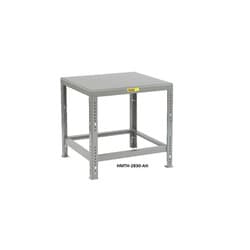
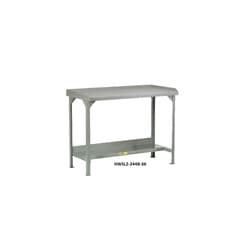
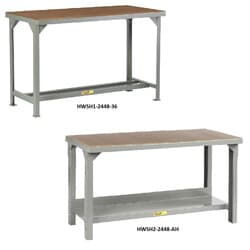
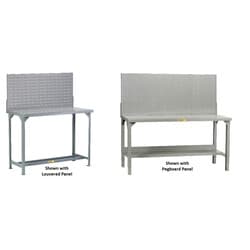
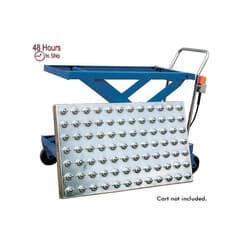
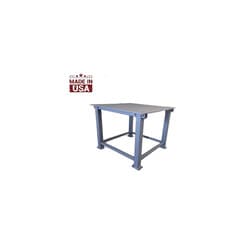
How to Choose the Right Ball Transfer Table
Choosing the right ball transfer table for your facility starts with understanding the size, weight, and shape of the materials you need to move. Consider the load's bottom surface, the frequency of movement, the direction in which materials need to travel, and the distance between workstations. Ball transfer tables are particularly useful when loads need to move in multiple directions rather than along a single fixed conveyor path.
Load capacity is one of the most important factors when selecting a ball transfer table. Check the rated capacity of the complete table and the load limits of individual ball transfer units. The load should be distributed appropriately across the supporting balls to maintain stable movement. Flat-bottomed, rigid loads generally work best because they can make consistent contact with multiple ball transfers.
The table's dimensions and working height should also match your existing conveyor systems, workbenches, or packaging stations. Correct alignment helps materials transfer smoothly between adjacent equipment. Consider the ball spacing, table construction, and surface finish when handling smaller packages, larger components, or materials that require careful positioning.
Before ordering, review the manufacturer's specifications for load capacity, dimensions, ball material, and operating conditions. Selecting a table that matches your material handling requirements can help improve workflow efficiency and reduce unnecessary lifting and repositioning.
Key Features to Look for in Industrial Ball Transfer Tables
-
Load Capacity: Select a table with a rated capacity suitable for the weight and distribution of your materials.
-
Ball Spacing: Ensure the spacing allows the load to remain supported by multiple balls throughout movement.
-
Table Dimensions: Choose a suitable length and width for your products, packages, and available workspace.
-
Construction Material: Consider steel or other specified construction materials based on load requirements and the working environment.
-
Ball Material: Select ball transfer units with appropriate materials and load ratings for your application.
-
Working Height: Match the table height to adjacent conveyors, workbenches, or production equipment.
-
Directional Movement: Ball transfer surfaces allow compatible loads to move in multiple directions for positioning, sorting, and transferring operations.
-
Maintenance Requirements: Review cleaning, inspection, and replacement requirements to help maintain smooth operation.
Industries That Use Ball Transfer Tables
-
Manufacturing: Position components, assemblies, and materials between production workstations.
-
Warehousing & Distribution: Transfer cartons and packages between packing, sorting, and handling stations.
-
Packaging & Shipping: Reposition boxes and parcels during packing, labeling, and order preparation.
-
Automotive: Move compatible components and assemblies between inspection and production areas.
-
Metalworking: Position suitable sheet materials and fabricated components for processing and assembly.
-
Electronics & Assembly: Support the positioning of compatible products and assemblies during production operations.
-
Material Handling & Logistics: Improve transfer efficiency between work surfaces and compatible conveyor systems.
Frequently Asked Questions About Ball Transfer Tables
Q1: What is a ball transfer table used for?
A ball transfer table is used to move compatible loads across a surface in multiple directions. It is commonly used for positioning, sorting, transferring, and handling cartons, packages, flat-bottomed components, and other suitable materials in industrial and warehouse environments.
Q2: How does a ball transfer table work?
A ball transfer table contains multiple ball transfer units mounted in a supporting surface. Each unit allows the load to move in different directions as the balls rotate beneath it. This makes it easier to reposition compatible materials without having to lift and manually turn them repeatedly.
Q3: What types of materials can be moved on ball transfer tables?
Ball transfer tables can handle suitable cartons, rigid containers, flat-bottomed components, sheet materials, and other loads that can be supported by multiple transfer balls. The material's bottom surface, dimensions, weight, and rigidity determine whether it is suitable for a particular table.
Q4: How do I select the correct load capacity?
Determine the maximum weight of the materials being handled and check the manufacturer's rated capacity for the complete table and its individual ball transfer units. Also consider load distribution, dimensions, and how the material contacts the transfer balls. Never exceed the published load limits.
Q5: What is the difference between a ball transfer table and a roller conveyor?
A ball transfer table allows compatible loads to move in multiple directions across its surface, making it useful for repositioning and sorting. A roller conveyor generally moves materials along a more defined path. The best choice depends on whether your operation requires multidirectional movement or controlled linear transportation.
Q6: Can ball transfer tables be connected to existing conveyor systems?
Some ball transfer tables can be integrated with compatible conveyor systems and workstations. Before installation, verify working height, table dimensions, load capacity, and transfer-point alignment to ensure materials can move safely between equipment.
Q7: What maintenance do ball transfer tables require?
Maintenance depends on the table design and operating environment. Regularly inspect ball transfer units for dirt, damage, restricted rotation, and excessive wear. Follow the manufacturer's cleaning and lubrication recommendations, where applicable, to help maintain smooth movement and reliable performance.