
 Deals Of The Day
 Top Sellers
 Top Trending
 New Arrivals
 Shop By Brands
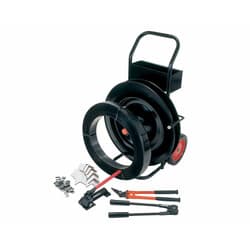
Shipping Supplies Strapping
Shop industrial strapping supplies at Janeice Products Co Inc, your trusted material handling supply source based in Aiken, South Carolina. Whether you need strapping for securing palletized shipments, bundling products, stabilizing cartons, or preparing heavy loads for transportation, our shipping supplies help businesses manage packaging and load-securing operations efficiently. Explore strapping solutions for warehouses, distribution centers, manufacturing facilities, shipping departments, and logistics operations. Choose the appropriate strapping materials and accessories based on your load requirements, packaging methods, and shipping environment to help keep products secure during handling, storage, and transit.

How to Choose the Right Shipping Strapping
Choosing the right shipping strapping starts with understanding the weight, size, and type of load you need to secure. Consider whether you are bundling individual products, closing cartons, securing palletized goods, or preparing heavy industrial materials for transportation. The correct strapping helps stabilize loads during handling and reduces the risk of shifting, damaged packaging, and product loss.
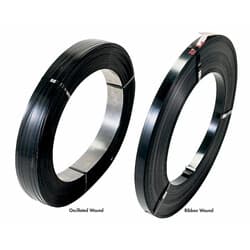
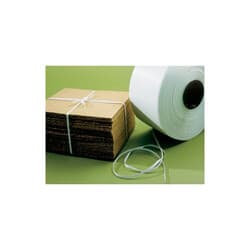
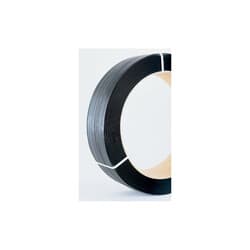
Polypropylene strapping is commonly used for light- to medium-duty packaging applications, including carton sealing, bundling, and securing general shipments. It is lightweight and flexible, making it suitable for many routine packaging operations. Polyester strapping offers greater tensile strength and resistance to tension loss in many applications, making it a useful option for securing heavier palletized loads. Steel strapping is often selected for demanding applications involving heavy, rigid, or sharp-edged materials where high strength is required.
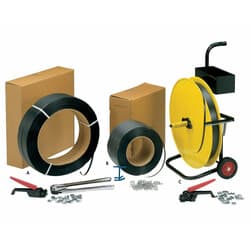
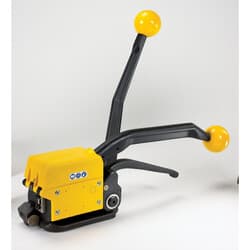
Your packaging equipment and operating process also matter. Manual strapping tools may be suitable for lower-volume shipping departments, while powered or automated strapping equipment can help improve consistency and productivity in high-volume packaging environments. Always ensure that the strapping material, seals, buckles, and tensioning tools are compatible with one another.
Before ordering, evaluate the load weight, package dimensions, required strap width and thickness, storage conditions, and transportation method. Properly applied strapping should secure the load without crushing cartons, damaging products, or creating unnecessary tension.
Key Features to Look for in Industrial Strapping Supplies
-
Strapping Material: Choose polypropylene for many general packaging applications, polyester for demanding load-securing requirements, or steel for heavy-duty industrial applications.
-
Tensile Strength: Match the strapping's rated strength to the weight, stability, and handling conditions of the load.
-
Strap Width and Thickness: Select the appropriate dimensions based on the package, pallet, or product being secured and the equipment being used.
-
Flexibility and Elongation: Consider how the strapping responds to movement, vibration, and changes in load tension during transportation.
-
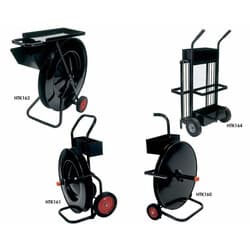
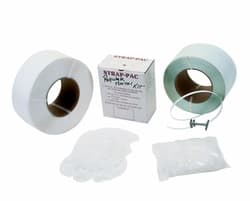
Compatibility with Tools: Ensure that strapping is compatible with your tensioners, sealers, dispensers, buckles, and other packaging accessories.
-
Weather and Storage Resistance: Consider moisture, temperature, and outdoor exposure when selecting materials for storage and transportation.
-
Application Method: Choose manual, battery-powered, pneumatic, or automated strapping solutions according to packaging volume and operational requirements.
-
Load Protection: Use suitable edge protectors and appropriate tension settings to help prevent straps from cutting into cartons or damaging packaged products.
Industries That Use Shipping Strapping Supplies
-
Manufacturing: Bundle finished goods, secure components, and prepare manufactured products for shipment.
-
Warehousing & 3PL: Stabilize palletized orders, consolidate cartons, and prepare outgoing shipments for transportation.
-
E-commerce & Retail: Secure bulk cartons, bundled products, and distribution shipments during fulfillment.
-
Construction & Building Materials: Bundle lumber, pipes, metal products, and other construction materials for storage and transportation.
-
Automotive: Secure automotive components, replacement parts, and packaged industrial supplies.
-
Food & Beverage: Stabilize appropriately packaged cases and palletized products during warehouse handling and distribution.
-
Paper & Printing: Secure paper rolls, cardboard bundles, printed materials, and packaging products.
-
Logistics & Freight: Help stabilize compatible loads during loading, unloading, storage, and transit.
Frequently Asked Questions About Shipping Strapping Supplies
Q1: What is shipping strapping used for?
Shipping strapping is used to bundle products, secure cartons, stabilize palletized shipments, and hold loads together during storage and transportation. The appropriate material and application method depend on the load weight, packaging type, and shipping conditions.
Q2: What is the difference between polypropylene, polyester, and steel strapping?
Polypropylene strapping is commonly used for general-purpose packaging and lighter loads. Polyester strapping provides higher strength for many demanding palletized-load applications and can maintain tension effectively. Steel strapping is designed for certain heavy-duty applications involving rigid materials and demanding load conditions. The best option depends on the specific load and manufacturer-rated specifications.
Q3: How do I choose the correct strapping width and thickness?
Consider the load weight, package dimensions, required holding strength, and compatibility with your strapping tools. Wider or thicker strapping is not automatically the best choice for every application. Review the manufacturer's specifications and select a strap rated for your load-securing requirements.
Q4: Can shipping strapping be used to secure palletized loads?
Yes. Strapping is commonly used to help secure goods to pallets and stabilize compatible loads during handling and transportation. For best results, use strapping with suitable strength and tension, and consider stretch wrap, corner protectors, or other load-stabilization products when appropriate.
Q5: What equipment is needed to apply shipping strapping?
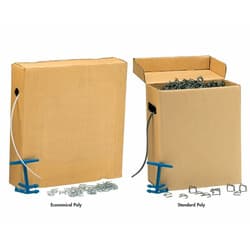
Depending on the material and application, you may need a tensioner, sealer, dispenser, seals, buckles, or a powered strapping tool. High-volume packaging operations may benefit from battery-powered or automated equipment. Always confirm that the tools and accessories are compatible with the selected strapping.
Q6: Is polyester strapping suitable for heavy-duty packaging?
Polyester strapping is suitable for many medium- to heavy-duty packaging applications, including securing palletized goods and industrial products. However, the required strap grade, width, and tensile strength should be determined by the actual load characteristics and the manufacturer's specifications.
Q7: How can I improve safety when using shipping strapping?
Select strapping rated for the intended load, use compatible application tools, and follow the manufacturer's tensioning and handling instructions. Wear appropriate protective equipment, keep hands and face away from tensioned straps, and never cut a tensioned strap without controlling the potential recoil. Inspect secured loads before moving or shipping them.