
 Deals Of The Day
 Top Sellers
 Top Trending
 New Arrivals
 Shop By Brands
Shipping Supplies Labels
Shop shipping labels and labeling supplies at Janeice Products Co Inc, your trusted material handling supply source based in Aiken, South Carolina. Whether you need shipping labels for package identification, warehouse labels for inventory management, barcode labels for tracking shipments, or labeling solutions for organizing storage and distribution operations, our catalog supports efficient shipping and warehouse workflows. We help businesses improve package identification, streamline order fulfillment, and maintain organized inventory across warehouses, distribution centers, manufacturing facilities, and shipping departments nationwide.
How to Choose the Right Shipping Labels
Choosing the right shipping labels for your business starts with understanding how you process, identify, and transport packages. Consider the type of information you need to display, the surface where the label will be applied, the printing method, and the conditions packages may encounter during storage and transit. Selecting suitable labels helps improve readability, reduce shipping errors, and make packages easier to identify throughout the fulfillment process.
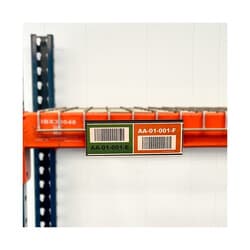
For e-commerce businesses and distribution centers, shipping labels should provide sufficient space for delivery addresses, tracking numbers, barcodes, and other shipment details. Warehouse operations may require labels for shelves, bins, racks, and storage locations to help employees locate products quickly and maintain accurate inventory records.
The application environment is another important consideration. Packages exposed to moisture, friction, temperature changes, or frequent handling may require labels with suitable adhesive and material properties. For barcode-based tracking systems, choose labels compatible with your printer and scanning equipment to ensure that printed information remains clear and readable.
Before ordering, verify the label dimensions, roll or sheet format, adhesive type, printer compatibility, and quantity required. Choosing labels that match your shipping workflow can help reduce waste, improve productivity, and maintain consistent package identification.
Key Features to Look for in Shipping Labels
-
Label Size: Select dimensions that accommodate shipping addresses, barcodes, tracking numbers, and other required information without making the package difficult to label.
-
Adhesive Strength: Choose an adhesive suitable for the package surface, whether cardboard, plastic packaging, envelopes, or other shipping materials.
-
Printer Compatibility: Confirm that labels are compatible with your thermal, direct thermal, thermal transfer, or laser printing equipment, as applicable.
-
Print Quality: Look for labels that support clear text and sharp barcodes to improve scanning accuracy and reduce package processing errors.
-
Durability: Consider moisture resistance, temperature exposure, abrasion, and handling conditions when selecting labels for demanding shipping environments.
-
Format and Application: Determine whether roll labels, sheet labels, or other formats best suit your labeling equipment and daily shipping volume.
-
Identification and Tracking: Select labels that provide adequate space for addresses, product codes, tracking information, and warehouse identification.
-
Quantity and Cost: Compare pack sizes and roll quantities to meet your operational requirements while minimizing frequent reordering and material waste.
Industries That Use Shipping Labels
-
E-commerce & Retail: Print delivery addresses, tracking information, order identifiers, and shipping details for customer orders.
-
Warehousing & Distribution: Identify packages, storage locations, inventory, and outbound shipments to support efficient fulfillment.
-
Manufacturing: Label finished goods, components, cartons, and shipments moving between production facilities and customers.
-
Third-Party Logistics (3PL): Support package sorting, shipment tracking, order processing, and distribution across multiple customers.
-
Healthcare & Pharmaceuticals: Identify packages and shipments containing medical supplies, equipment, and other regulated products using labels appropriate to the application.
-
Food & Beverage: Label shipping cartons, cases, and distribution packages with relevant product and shipment information.
-
Wholesale & Supply Chain: Organize bulk shipments, cartons, and pallets to improve identification and coordination between suppliers and buyers.
Frequently Asked Questions About Shipping Labels
Q1: What are shipping labels used for?
Shipping labels identify packages during storage, handling, sorting, and delivery. They commonly display recipient addresses, tracking numbers, barcodes, shipment references, and other information required by the shipping carrier or business.
Q2: What type of shipping labels should I choose for my business?
The right type depends on your printer, packaging material, shipping volume, and operating environment. Thermal labels are commonly used for high-volume shipping operations, while sheet labels may suit businesses using compatible office printers. Always check printer compatibility and adhesive requirements before ordering.
Q3: Are shipping labels compatible with barcode scanners?
Many shipping labels are designed to accommodate barcodes and tracking information. For reliable scanning, use a compatible printer and label material, maintain appropriate print quality, and ensure barcodes are not obscured by folds, tape, or package damage.
Q4: How do I choose the correct shipping label size?
Choose a label size that fits the package and provides sufficient room for the required address, barcode, and tracking details. Check your shipping software and carrier requirements, along with your printer's supported label dimensions, before placing an order.
Q5: Can shipping labels withstand moisture and handling?
Performance depends on the label material, adhesive, printing technology, and environmental conditions. If packages may encounter moisture, abrasion, or temperature changes, verify the manufacturer's specifications to select a suitable label for the intended application.
Q6: Can shipping labels be used for warehouse inventory management?
Yes. Labels can help identify inventory, bins, shelves, racks, cartons, and storage locations. When used with barcode scanners or inventory management software, they can support more efficient stock identification, picking, receiving, and order fulfillment.
Q7: What should I check before ordering shipping labels in bulk?
Before ordering, confirm the label dimensions, roll or sheet format, adhesive type, printer compatibility, quantity per pack, and expected shipping conditions. Also consider your average daily shipment volume and the labeling requirements of your shipping software or carrier.