
 Deals Of The Day
 Top Sellers
 Top Trending
 New Arrivals
 Shop By Brands
Shelving Record Archive
Shop record archive shelving at Janeice Products Co Inc, your trusted material handling and storage supply source based in Aiken, South Carolina. Whether you need shelving for office files, archived business records, document storage boxes, or long-term records management, our catalog offers practical storage solutions for businesses and organizations of different sizes. Designed to help improve organization, maximize available space, and provide convenient access to stored documents, record archive shelving is ideal for offices, warehouses, records management facilities, healthcare organizations, educational institutions, and government departments. Explore shelving options to organize your records efficiently and create a storage system that supports your daily operations and long-term document retention needs.
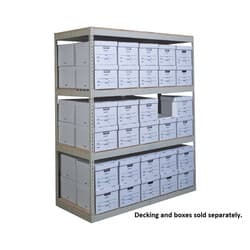
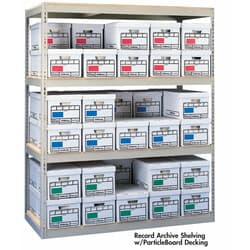
How to Choose the Right Record Archive Shelving
Choosing the right record archive shelving system starts with understanding the volume of documents you need to store, how frequently records must be accessed, and how much space is available in your facility. Consider the number of archive boxes, file cartons, binders, and document containers you need to accommodate. The shelving dimensions and weight capacity should match your storage requirements while allowing employees to retrieve files safely and efficiently.
For offices and records management facilities handling large volumes of paperwork, adjustable industrial shelving provides flexibility as storage needs change. Shelving with adjustable shelf levels allows you to accommodate different box heights, binders, and document containers without wasting valuable vertical space. Open shelving can also make it easier to identify and retrieve records when organized with clear labels and a consistent filing system.
Space utilization is another important factor. Before selecting a shelving system, measure the available floor area, ceiling height, aisle widths, and access points. Plan the layout to allow employees to move archive boxes safely and retrieve documents without obstructing nearby work areas. For facilities with growing archives, expandable shelving systems can help accommodate additional records without requiring a completely new storage setup.
Always verify the manufacturer's load capacity, shelf dimensions, and assembly requirements before ordering. If records must be retained for extended periods, consider environmental conditions such as moisture, dust, and temperature, along with your organization's document protection and retention policies.
Key Features to Look for in Record Archive Shelving
-
Load Capacity: Choose shelving with sufficient weight capacity for fully loaded archive boxes, file cartons, binders, and other stored materials. Follow the manufacturer's rated capacity for each shelf and shelving unit.
-
Adjustable Shelves: Adjustable shelf levels help accommodate different document box sizes and allow you to reorganize storage as your archive grows.
-
Durable Construction: Steel shelving is a practical option for facilities that need dependable storage for large volumes of records over extended periods.
-
Space Efficiency: Select shelving dimensions that make effective use of available floor space and vertical clearance while maintaining safe access aisles.
-
Expandable Design: Modular shelving systems allow additional sections to be added as document storage requirements increase.
-
Easy Accessibility: Open shelving and a well-planned layout help employees locate, retrieve, and return archived files efficiently.
-
Organization and Labeling: Use shelf labels, box identification numbers, and consistent filing categories to improve document tracking and reduce retrieval time.
-
Safety and Stability: Verify the shelving unit's load ratings, assembly instructions, and anchoring requirements to maintain a stable storage environment.
Industries That Use Record Archive Shelving
-
Corporate Offices: Store financial records, contracts, employee files, invoices, and administrative documents.
-
Healthcare Organizations: Organize archived administrative paperwork, eligible patient records, and departmental documentation according to applicable privacy and retention requirements.
-
Legal Firms: Maintain organized storage for case files, contracts, court documents, and historical legal records.
-
Educational Institutions: Store student records, examination documents, administrative files, and historical institutional paperwork.
-
Government Departments: Organize public records, permits, applications, reports, and documents subject to official retention schedules.
-
Warehousing and Records Management: Store archive cartons, customer records, business documents, and files managed on behalf of other organizations.
-
Financial Institutions: Organize accounting records, transaction documentation, audit files, and other business records requiring controlled retention.
-
Manufacturing and Industrial Facilities: Maintain historical purchase orders, maintenance records, technical documentation, quality reports, and operational paperwork.
Frequently Asked Questions About Record Archive Shelving
Q1: What is record archive shelving used for?
Record archive shelving is used to store and organize documents, file cartons, archive boxes, binders, and business records. It helps businesses use storage space efficiently while making retained documents easier to locate and retrieve.
Q2: What type of shelving is best for archive boxes?
The best shelving depends on the dimensions and weight of your archive boxes, the available floor space, and how frequently you need access to stored records. Adjustable industrial shelving is a versatile option for many archive applications because shelf spacing can be configured to accommodate different box sizes. Always check the shelf dimensions and rated load capacity before purchasing.
Q3: Can record archive shelving be adjusted to accommodate different file sizes?
Many industrial shelving systems feature adjustable shelf levels, allowing users to change the available vertical space to accommodate archive cartons, binders, and document containers. Adjustment methods and spacing vary by model, so review the product specifications before ordering.
Q4: How do I calculate the amount of shelving required for my archive?
Start by counting the archive boxes or file cartons you need to store and measuring their dimensions. Determine how many boxes fit on each shelf while respecting its load capacity. Then calculate the number of shelves and shelving sections required, allowing additional capacity for future records. Also account for aisle space, access requirements, and the room's height and floor dimensions.
Q5: What load capacity should I look for in record archive shelving?
The required load capacity depends on the combined weight of the boxes and documents stored on each shelf. Estimate the maximum expected load per shelf and select a shelving system rated to support it. Follow the manufacturer's specified shelf and unit capacities, and distribute loads as instructed.
Q6: Can record archive shelving be expanded as storage needs grow?
Some modular industrial shelving systems can be expanded by adding compatible shelving sections. This can help organizations increase archive capacity as records accumulate. Confirm that additional sections are compatible with the existing system and that the completed installation meets the manufacturer's assembly and load requirements.
Q7: How can I keep archived documents organized on shelving?
Use a consistent filing structure based on department, document type, year, retention period, or archive reference number. Label boxes and shelf locations clearly, maintain a searchable inventory, and place frequently accessed records in convenient locations. Follow applicable document retention, confidentiality, and disposal policies.
Q8: What should I consider before ordering record archive shelving?
Before ordering, measure the storage area, determine the number and dimensions of archive boxes, estimate the required load capacity, and decide whether adjustable or expandable shelving is needed. Also consider aisle clearance, accessibility, assembly requirements, and any applicable document protection requirements. Reviewing these factors helps you select a shelving solution suited to your facility's long-term records management needs.