
 Deals Of The Day
 Top Sellers
 Top Trending
 New Arrivals
 Shop By Brands
Shelving Mobile
Shop mobile industrial shelving at Janeice Products Co Inc, your trusted material handling supply source based in Aiken, South Carolina. Whether you need mobile shelving units for flexible warehouse storage, rolling shelves for manufacturing workstations, or space-efficient shelving solutions for maintenance rooms and stockrooms, our catalog offers practical options for organizing inventory and improving workplace efficiency. Mobile shelving makes it easier to move stored materials between work areas, adapt to changing storage requirements, and keep frequently used supplies within reach. We serve warehouses, distribution centers, manufacturing facilities, workshops, and businesses nationwide with a wide range of industrial storage and material handling products.
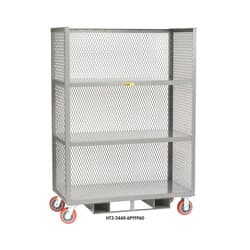
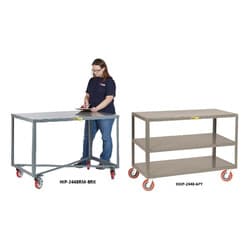
How to Choose the Right Mobile Shelving
Choosing the right mobile shelving system for your facility starts with understanding your storage requirements, available floor space, and how frequently materials need to be moved. Consider the size and weight of the items you plan to store, the number of shelves required, the available aisle space, and whether the shelving will be used for stationary storage or frequent movement between work areas.
For warehouses and distribution centers, mobile shelving can help organize inventory, picking supplies, and packaging materials while allowing employees to move items closer to where they are needed. In manufacturing environments, mobile shelving units can support production workflows by keeping tools, components, and work-in-progress materials accessible near assembly stations.
Mobility and load capacity are also important considerations. Check the shelving unit's maximum load capacity, including the weight distribution across individual shelves and the complete unit. If the shelving will be moved frequently, choose a design with suitable casters, a stable frame, and appropriate braking or locking features where available.
Before ordering, measure the available floor space, doorways, corridors, and access points to ensure the unit can be moved safely throughout your facility. Also verify the shelf dimensions, overall height, wheel configuration, and compatibility with the materials you intend to store.
Key Features to Look for in Mobile Shelving
-
Load Capacity: Check the maximum weight supported by each shelf and the complete shelving unit. Distribute materials evenly and follow the manufacturer's load limits.
-
Construction and Durability: Select shelving constructed from suitable materials for your working environment, storage requirements, and expected frequency of use.
-
Mobility and Casters: Look for appropriately sized wheels or casters that allow smooth movement across your facility's floor surfaces.
-
Braking and Stability: Where available, choose wheel brakes or locking mechanisms to help keep the shelving stationary during loading, unloading, and picking operations.
-
Shelf Configuration: Consider the number of shelves, shelf spacing, and adjustable options needed to accommodate products of different sizes.
-
Dimensions and Space Efficiency: Measure the unit's width, depth, and height to ensure it fits your storage area and can pass through doors and aisles.
-
Ergonomic Accessibility: Choose a shelving height and configuration that makes frequently used materials easy to reach and helps reduce unnecessary bending and stretching.
-
Application Requirements: Consider whether you need open shelving for quick access, specialized storage for tools and components, or a mobile unit suited to a particular workstation.
Industries That Use Mobile Shelving
-
Warehousing & Distribution: Organize inventory, picking supplies, packing materials, and frequently accessed products while supporting flexible storage arrangements.
-
Manufacturing: Keep production components, tools, raw materials, and work-in-progress items close to assembly lines and workstations.
-
Automotive: Store service parts, repair supplies, tools, and components in maintenance bays and workshops.
-
Healthcare & Laboratories: Organize appropriate supplies, equipment, and materials that need to be moved between work areas.
-
Retail & E-commerce: Support stockroom organization, order preparation, replenishment, and inventory movement.
-
Maintenance & MRO: Keep replacement parts, repair tools, fittings, and maintenance supplies organized and accessible.
-
Offices & Records Management: Move files, supplies, and other stored materials between departments or work areas when needed.
Frequently Asked Questions About Mobile Shelving
Q1: What is mobile shelving used for?
Mobile shelving is used to store and organize inventory, tools, supplies, components, and other materials in locations where flexible access is important. Its wheeled design allows shelving units to be moved between suitable work areas, making it useful for warehouses, manufacturing facilities, workshops, stockrooms, and maintenance departments.
Q2: What is the difference between mobile shelving and stationary shelving?
Stationary shelving remains in a fixed position, making it suitable for permanent storage areas. Mobile shelving includes wheels or casters so the unit can be relocated when needed. Mobile options are useful for facilities that frequently rearrange storage, transport supplies between workstations, or need more flexibility in their storage layout.
Q3: How much weight can mobile shelving hold?
The load capacity depends on the specific shelving model, frame construction, shelf design, and caster configuration. Always review the manufacturer's specifications for both individual shelf capacity and total unit capacity. Make sure the load is distributed evenly and that the shelving remains stable during movement.
Q4: Are mobile shelving units available with adjustable shelves?
Some shelving systems offer adjustable shelf heights, allowing you to accommodate products, containers, tools, and supplies of different sizes. Availability depends on the specific model. Check the product specifications to confirm the adjustment options and recommended shelf load limits before ordering.
Q5: What should I consider when selecting casters for mobile shelving?
Consider the total loaded weight, floor surface, required maneuverability, movement frequency, and whether the unit needs to remain stationary during use. The casters must be suitable for the complete load and operating environment. If the shelving will be used on uneven floors or in narrow aisles, review the manufacturer's recommendations for safe movement and turning clearance.
Q6: Can mobile shelving be used in warehouses and manufacturing facilities?
Yes. Mobile shelving can help organize tools, inventory, components, packaging supplies, and other materials in warehouses and manufacturing facilities. It is especially useful when materials need to be moved closer to picking areas, production lines, or maintenance workstations. Select a unit that meets your facility's load, space, and operating requirements.
Q7: How do I choose the right size mobile shelving unit?
Start by measuring your available storage area, aisle widths, doorways, and access routes. Determine the dimensions and weight of the items you need to store, then select a unit with suitable shelf spacing, overall height, and load capacity. If the shelving will be moved regularly, ensure sufficient clearance for safe maneuvering and consider the additional space needed when turning.
Q8: Where can I buy mobile shelving for industrial applications?
Janeice Products Co Inc offers a range of industrial and material handling supplies, including shelving systems and related storage solutions. Browse the Mobile Shelving category to review available products, compare specifications, and select a solution that fits your facility's storage and operational needs. For assistance with product selection or larger orders, contact the Janeice Products team at +1 803-652-3025.