
 Deals Of The Day
 Top Sellers
 Top Trending
 New Arrivals
 Shop By Brands
Scales Floor Scale
Shop industrial floor scales at Janeice Products Co Inc, your trusted material handling supply source based in Aiken, South Carolina. Whether you need heavy-duty platform scales for warehouse operations, floor scales for manufacturing and shipping, or weighing solutions for pallets, containers, and bulk materials, our catalog helps businesses find equipment suited to their industrial weighing requirements. Designed for applications where larger or heavier items need to be weighed at floor level, industrial floor scales support efficient inventory management, receiving, shipping, production, and material handling operations. Explore our selection to find weighing solutions that match your capacity, platform size, and workplace requirements.
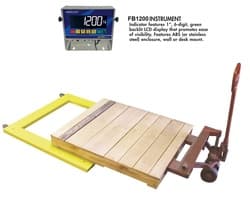
How to Choose the Right Industrial Floor Scale
Choosing the right industrial floor scale starts with understanding the maximum weight you need to measure and the dimensions of the items being weighed. Consider the weight of your heaviest loads, the size of pallets or containers, weighing frequency, and the available installation space. Selecting a scale with an appropriate capacity and platform size helps ensure accurate measurements and efficient daily operations.
For warehouses and distribution centers, floor scales are useful for weighing palletized goods, incoming shipments, outgoing orders, and inventory. Manufacturing facilities can use them to measure raw materials, finished products, and production batches. Depending on the application, you may need a low-profile platform for easier loading, a larger weighing surface for bulky materials, or a portable design that can be moved between work areas.
The operating environment is another important consideration. Facilities exposed to moisture, dust, frequent washdowns, or demanding industrial conditions should evaluate the scale's platform construction, indicator protection, and environmental ratings. For applications requiring documented measurements, check the scale's readability, accuracy specifications, calibration requirements, and applicable legal-for-trade certification.
Before ordering, confirm the platform dimensions, maximum capacity, graduation or readability, power requirements, and compatibility with your existing weighing and inventory systems. Choosing the right configuration helps improve weighing consistency and supports reliable material handling operations.
Key Features to Look for in Industrial Floor Scales
-
Weighing Capacity: Select a scale that accommodates your heaviest loads without exceeding its rated capacity. Consider the weight of pallets, containers, and packaging in addition to the materials being weighed.
-
Platform Size: Choose a platform large enough to support your typical loads safely and position them properly for weighing.
-
Accuracy and Readability: Check the scale's division size, repeatability, and accuracy specifications to ensure they meet your operational requirements.
-
Platform Construction: Look for durable steel or stainless steel construction when appropriate for your working environment and expected usage.
-
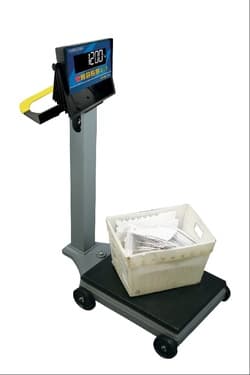
Digital Indicator: A clear digital display makes it easier for operators to read weight measurements. Depending on the model, indicators may offer additional functions such as tare, unit conversion, and data output.
-
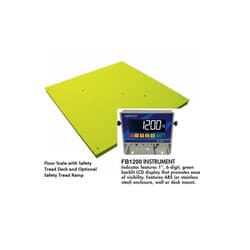
Loading and Accessibility: Consider low-profile platforms, ramps, or pit-mounted installations where appropriate to simplify loading and unloading.
-
Environmental Protection: For wet or dusty environments, review the product's ingress protection rating and suitability for the conditions in your facility.
-
Calibration and Compliance: If weighing results are used for commercial transactions, shipping charges, or regulated processes, verify the required calibration and certification standards.
Industries That Use Industrial Floor Scales
-
Warehousing & Distribution: Weigh pallets, incoming inventory, outgoing shipments, and consolidated orders before dispatch.
-
Manufacturing: Measure raw materials, components, work-in-progress materials, and finished goods during production.
-
Shipping & Logistics: Determine shipment weights, support freight preparation, and help verify package or pallet weights.
-
Food Processing: Weigh ingredients, bulk materials, and production batches using scales suitable for the specific processing environment.
-
Automotive: Measure components, assemblies, replacement parts, and packaged materials in production and distribution facilities.
-
Chemical & Industrial Processing: Weigh raw materials, containers, and production batches using equipment appropriate for the materials and operating conditions.
-
Recycling & Waste Management: Measure containers, recyclable materials, and collected industrial waste where the scale's capacity and configuration are suitable.
-
Retail & Wholesale Distribution: Support bulk inventory control, receiving operations, and shipment verification.
Frequently Asked Questions About Industrial Floor Scales
Q1: What is an industrial floor scale used for?
Industrial floor scales are used to weigh heavy or bulky items placed on a platform at or near floor level. Common applications include weighing pallets, containers, raw materials, finished products, and large shipments in warehouses, manufacturing facilities, and distribution centers.
Q2: How do I choose the right capacity for a floor scale?
Determine the maximum combined weight of the materials, pallet, and container you expect to weigh. Select a scale with a rated capacity that accommodates these loads while maintaining sufficient operating margin. Also consider the required readability and whether your loads will be placed centrally and evenly on the platform.
Q3: What is the difference between a bench scale and a floor scale?
Bench scales are generally designed for smaller items and are placed on workbenches, counters, or tables. Floor scales typically have larger platforms and higher weighing capacities for pallets, containers, and heavier industrial loads. The right choice depends on the size, weight, and handling method of the items being weighed.
Q4: Can floor scales be used for weighing pallets?
Yes. Floor scales are commonly used to weigh palletized goods in warehouses, shipping departments, and manufacturing facilities. Check that the platform dimensions accommodate the pallet, the capacity supports the total load, and the loading method is compatible with your pallet jack or other material handling equipment.
Q5: Are industrial floor scales available with digital displays?
Many industrial floor scales use digital indicators to display weight readings. Depending on the model, additional features may include tare functions, selectable weighing units, data connections, and programmable weighing functions. Review the individual product specifications to confirm which features are included.
Q6: Do industrial floor scales require calibration?
Yes. Floor scales should be checked and calibrated according to the manufacturer's recommendations, frequency of use, operating conditions, and required measurement accuracy. Applications involving commercial transactions or regulated measurements may require specific certification and inspection procedures.
Q7: What should I consider when installing an industrial floor scale?
Consider the available floor space, platform dimensions, floor load capacity, levelness, access for loading equipment, electrical requirements, and the surrounding environment. Some installations may require ramps or a recessed pit. Always follow the manufacturer's installation instructions and safety requirements for the selected model.