
 Deals Of The Day
 Top Sellers
 Top Trending
 New Arrivals
 Shop By Brands
Scales Bench Scale
Shop industrial bench scales at Janeice Products Co Inc, your trusted material handling supply source based in Aiken, South Carolina. Whether you need precision weighing scales for packaging, digital bench scales for inventory management, or durable weighing equipment for manufacturing and shipping operations, our catalog offers practical solutions for accurate and efficient weight measurement. Designed for a variety of commercial and industrial applications, bench scales help businesses weigh products, verify quantities, prepare shipments, and maintain consistent quality control. Explore our selection to find bench scales suited to your weighing capacity, accuracy requirements, and daily workflow.

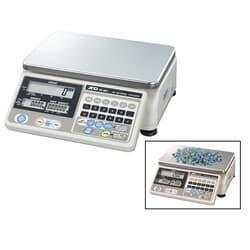
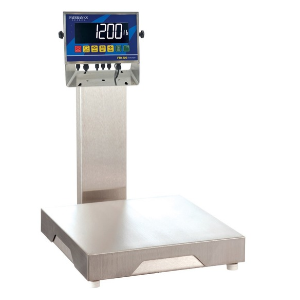

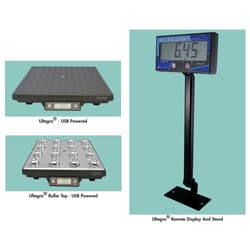
How to Choose the Right Industrial Bench Scale
Choosing the right industrial bench scale starts with understanding the weight range and dimensions of the items you need to weigh. Consider the minimum and maximum weight, required measurement accuracy, platform size, and frequency of use. A scale used for weighing small components may require greater precision, while packaging and shipping operations may need a larger platform and higher weight capacity.
The operating environment is another important factor. Standard bench scales are suitable for many general-purpose weighing tasks, while stainless steel or washdown-compatible models may be preferable in environments exposed to moisture, frequent cleaning, or demanding sanitation requirements. Always verify the manufacturer's specifications for environmental protection, material construction, and cleaning compatibility before selecting a model.
Display readability and ease of operation are also important. Digital bench scales with clear displays and straightforward controls help employees obtain readings quickly and reduce weighing errors. Depending on your workflow, features such as tare functions, selectable weighing units, counting functions, and connectivity options may improve productivity.
Before purchasing a bench scale, check its platform dimensions, maximum capacity, readability, power requirements, calibration requirements, and available accessories. Selecting a scale that matches your actual weighing needs helps improve efficiency and supports reliable results throughout daily operations.
Key Features to Look for in Industrial Bench Scales
-
Weighing Capacity: Choose a scale with a maximum capacity suitable for your heaviest items, including containers and packaging. Avoid exceeding the rated capacity.
-
Accuracy and Readability: Check the displayed increment and measurement specifications to ensure the scale meets your weighing requirements.
-
Platform Size: Select a platform that accommodates the dimensions of your products or containers without obstructing the weighing surface.
-
Display and Controls: Look for an easy-to-read display and user-friendly controls that support efficient daily weighing.
-
Tare Function: A tare function allows you to subtract the weight of a container so you can measure the net weight of its contents.
-
Durability: Consider the scale's construction and suitability for your working environment, especially in busy production, warehouse, and packaging areas.
-
Connectivity: Depending on the model, data interfaces may allow the scale to connect with computers, printers, or inventory systems.
-
Calibration: Review calibration procedures and service requirements to help maintain reliable weighing performance.
Industries That Use Industrial Bench Scales
-
Manufacturing: Weigh raw materials, components, finished products, and production batches during manufacturing and quality-control processes.
-
Warehousing and Distribution: Verify product weights, manage inventory, and support order preparation and shipping operations.
-
Packaging and Fulfillment: Measure product and package weights to support consistent packing and shipment preparation.
-
Food Processing: Weigh ingredients, portions, and packaged products using scales specifically suited to the facility's hygiene and sanitation requirements.
-
Laboratories and Quality Control: Measure samples, small components, and materials using scales with appropriate capacity and readability.
-
Automotive and Industrial Maintenance: Weigh components, replacement parts, hardware, and materials used in repair and maintenance operations.
-
Retail and Commercial Operations: Measure products, materials, and packaged goods where commercial weighing requirements apply.
Frequently Asked Questions About Industrial Bench Scales
Q1: What is an industrial bench scale used for?
Industrial bench scales are used to measure the weight of products, components, packages, ingredients, and materials on a workbench or stable weighing surface. They are commonly used in manufacturing, packaging, inventory management, quality control, and shipping operations.
Q2: How do I choose the right capacity for a bench scale?
Determine the maximum weight of the item you plan to weigh, including any container placed on the platform. Choose a scale with sufficient capacity for that combined weight while maintaining the required readability. For applications involving frequent weighing near the maximum capacity, review the manufacturer's operating recommendations before selecting a model.
Q3: What is the difference between capacity and readability?
Capacity is the maximum weight a scale is designed to measure, while readability is the smallest displayed weight increment. For example, a scale with a 100 lb capacity and 0.02 lb readability can display weight in increments of 0.02 lb. Readability does not automatically guarantee the same level of measurement accuracy, so review the manufacturer's specifications.
Q4: What is the tare function on a bench scale?
The tare function lets you place an empty container on the scale and reset the displayed reading to zero. When you add materials, the scale then displays the net weight of the contents rather than the combined weight of the container and its contents. This is useful for packaging, batching, and parts weighing.
Q5: Are digital bench scales suitable for shipping and packaging?
Yes. Digital bench scales are commonly used for weighing products, packages, and shipping materials. When selecting a model, consider the maximum package weight, platform dimensions, readability, and any required connection to shipping or inventory software. Confirm compatibility with your existing systems before purchasing.
Q6: Do industrial bench scales require calibration?
Yes. Bench scales should be checked and calibrated according to the manufacturer's recommendations and the requirements of the application. The frequency depends on usage, operating conditions, measurement requirements, and applicable regulations. Businesses that rely on weight measurements for regulated or commercial transactions should verify the relevant calibration and legal-for-trade requirements.
Q7: Can bench scales be used in wet or washdown environments?
Some bench scales are designed for wet, food-processing, or washdown environments, but not all models are suitable for these conditions. Check the scale's material construction, ingress-protection rating, and manufacturer-approved cleaning procedures before using it in areas exposed to water, moisture, or cleaning chemicals.