
 Deals Of The Day
 Top Sellers
 Top Trending
 New Arrivals
 Shop By Brands
Safety Equipment Rails
Shop industrial safety rails at Janeice Products Co Inc, your trusted material handling supply source based in Aiken, South Carolina. Whether you need safety guardrails for protecting equipment, pedestrian safety rails for defining walkways, or industrial rail systems for separating work areas, our catalog helps businesses improve workplace safety and traffic management. Designed for industrial facilities, warehouses, manufacturing plants, distribution centers, and commercial environments, safety rails help establish physical boundaries, protect designated areas, and support safer movement around busy workspaces. Explore our industrial safety equipment solutions to find options suited to your facility's layout and operational requirements.
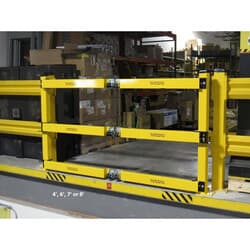
How to Choose the Right Industrial Safety Rails
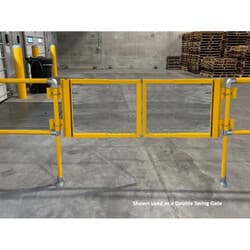
Choosing the right industrial safety rails for your facility starts with identifying the areas that require protection. Consider whether you need to separate pedestrian walkways from vehicle traffic, protect machinery and equipment, restrict access to hazardous areas, or establish clear boundaries around loading and storage zones. Understanding the risks in each area will help you select an appropriate rail system.
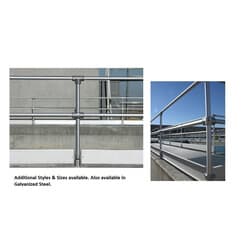
Material and construction are important considerations when selecting safety rails. Steel safety rails are commonly used in industrial environments where durability and impact protection are important. For outdoor applications, consider the environmental conditions and the finish or coating required to help resist corrosion. The appropriate rail design depends on the expected impact exposure, installation location, and manufacturer's specifications.
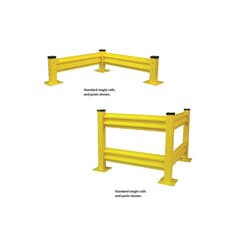
You should also consider the rail's height, length, mounting method, and configuration. Floor-mounted rails can help define permanent boundaries, while modular rail systems may provide flexibility when facility layouts change. For warehouses and distribution centers, rail placement should account for forklift routes, pedestrian walkways, loading areas, and emergency access points.
Before purchasing, review the manufacturer's installation requirements, anchoring specifications, and impact-resistance ratings where applicable. Safety rails should be selected according to the hazards they need to control and applicable workplace safety requirements. They should not be treated as a substitute for a properly designed machine guard or fall-protection system when one is required.
Key Features to Look for in Industrial Safety Rails
-
Material and Construction: Choose suitable steel or other specified materials based on the application, durability requirements, and operating environment.
-
Impact Protection: Evaluate the expected vehicle or equipment impact risks and select rails with appropriate manufacturer-rated protection for the intended use.
-
Dimensions and Height: Check rail height, length, and clearance requirements to ensure the system provides suitable separation and protection.
-
Mounting and Anchoring: Confirm compatibility with the floor or mounting surface and follow the manufacturer's anchoring and installation instructions.
-
Visibility: High-visibility finishes or contrasting colors can help workers and vehicle operators identify boundaries and restricted areas.
-
Corrosion Resistance: For outdoor or demanding industrial environments, consider finishes designed for the expected moisture and exposure conditions.
-
Modular Configuration: Where available, modular rail systems can help accommodate different layouts, access points, and future facility changes.
-
Compliance and Safety Ratings: Review applicable workplace safety requirements and manufacturer documentation before selecting rails for a specific hazard.
Industries That Use Industrial Safety Rails
-
Manufacturing: Establish boundaries around production lines, machinery, assembly areas, and designated pedestrian routes.
-
Warehousing & 3PL: Separate pedestrian walkways from forklift traffic and help protect designated storage and operating zones.
-
Automotive: Define work areas, protect equipment, and organize traffic around service bays and production operations.
-
Distribution Centers: Establish boundaries around loading zones, material handling areas, and busy vehicle routes.
-
Construction & Maintenance: Mark restricted areas and help control access around equipment and work zones where suitable rail systems are specified.
-
Commercial & Industrial Facilities: Define access-controlled areas, separate operational spaces, and improve visibility around potential workplace hazards.
-
Loading Docks: Help establish boundaries around dock operations and vehicle movement where the selected rail system is appropriate for the application.
Frequently Asked Questions About Industrial Safety Rails
Q1: What are industrial safety rails used for?
Industrial safety rails help establish physical boundaries, separate pedestrian and vehicle traffic, and protect designated areas around equipment, machinery, and material handling operations. The appropriate rail type depends on the hazard and the level of protection required.
Q2: What is the difference between safety rails and guardrails?
The terms can overlap, but their intended applications may differ. Safety rails may be used to define walkways, restrict access, or separate work areas, while guardrails may be designed for specific protective functions, such as preventing falls or providing impact protection. Always confirm the product's intended use and applicable safety requirements before selecting a system.
Q3: Which material is best for industrial safety rails?
Steel is commonly selected for industrial applications because of its strength and durability. Other materials may be suitable for particular environments or uses. Consider expected impact exposure, indoor or outdoor installation, corrosion resistance, and the manufacturer's performance specifications.
Q4: Can safety rails be used to separate forklift and pedestrian traffic?
Yes, appropriately designed and installed safety rail systems can help separate pedestrian walkways from forklift routes in warehouses and distribution centers. Rail placement and specifications should be based on the site's traffic patterns, vehicle exposure, and workplace safety assessment.
Q5: How do I determine the correct size and installation method for safety rails?
Measure the area that requires protection and evaluate the required rail height, length, clearances, mounting surface, and access points. Check the manufacturer's installation instructions and anchoring specifications. For impact-protection applications, confirm that the selected system is rated for the expected conditions.
Q6: Are industrial safety rails suitable for outdoor use?
Some industrial safety rails are suitable for outdoor installation, depending on their materials, coatings, and design. Check the product specifications for environmental suitability and corrosion resistance before purchasing.
Q7: How do I choose safety rails for my warehouse or manufacturing facility?
Start by identifying the hazards and areas requiring separation, including forklift routes, pedestrian walkways, machinery, loading zones, and restricted areas. Then compare available rail dimensions, construction, mounting requirements, and protection ratings. Consult the manufacturer's documentation and applicable safety standards to ensure the selected system suits your facility.