
 Deals Of The Day
 Top Sellers
 Top Trending
 New Arrivals
 Shop By Brands
Safety Equipment Column Protector
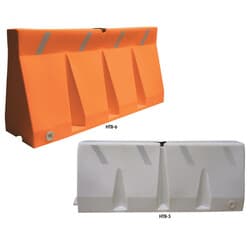
How to Choose the Right Column Protectors
Choosing the right column protectors for your facility starts with identifying the structural columns and areas most exposed to vehicle traffic. Warehouses, manufacturing plants, and distribution centers often use forklifts and pallet trucks in narrow aisles, loading areas, and storage zones where accidental collisions can occur. Column protectors help absorb or deflect impacts, reducing the potential for damage to columns and surrounding infrastructure.
Before selecting a column protector, measure the width and depth of the column, including any base plates or protruding hardware. Check the available clearance around the column to ensure the protector does not interfere with forklift movement, pedestrian walkways, or nearby storage racks. The protector should fit securely around the column and provide suitable coverage for the areas most likely to experience impacts.
Material and design are also important considerations. Steel column guards can provide a durable protective barrier in demanding industrial environments, while molded plastic or polymer protectors may offer impact absorption and high visibility, depending on the product design. Select a solution based on the expected impact exposure, installation requirements, and the manufacturer's specifications.
For warehouses with pallet racking, consider whether you need protection for individual structural columns, rack uprights, or larger support posts. Column protectors and rack upright protectors serve related but different purposes, so choosing the correct product is essential for protecting the appropriate structure.
Key Features to Look for in Industrial Column Protectors
-
Impact Protection: Choose protectors designed for the type and severity of impacts expected in your facility.
-
Material and Durability: Consider steel, molded plastic, or polymer construction based on the operating environment and the manufacturer's performance specifications.
-
Column Dimensions: Measure the column width, depth, and base plate dimensions to ensure a proper fit.
-
Visibility: High-visibility colors, such as yellow or yellow with black markings, can help operators identify protected columns and potential obstacles.
-
Installation Method: Check whether the protector requires floor anchors, bolts, or another mounting method, and confirm compatibility with the installation surface.
-
Clearance and Fit: Ensure the installed protector does not obstruct aisles, pedestrian routes, equipment movement, or access to nearby storage systems.
-
Maintenance Requirements: Look for designs that allow routine inspection and make it easy to identify damage after an impact.
-
Application Compatibility: Confirm whether the product is intended for structural columns, building support posts, or pallet rack uprights.
Industries That Use Column Protectors
-
Warehousing & Distribution: Protect structural columns in forklift travel lanes, picking areas, loading zones, and high-traffic storage aisles.
-
Manufacturing: Help protect building support columns near production lines, material handling equipment, and assembly areas.
-
Automotive: Reduce the risk of impact damage to columns near parts storage, service areas, vehicle movement routes, and manufacturing operations.
-
Logistics & 3PL: Protect vulnerable infrastructure in busy distribution centers where forklifts and pallet trucks operate throughout the day.
-
Retail & Wholesale: Help safeguard support columns in stockrooms, back-of-store storage areas, and merchandise distribution facilities.
-
Construction & Industrial Facilities: Provide additional protection for exposed structural posts in workshops, equipment storage areas, and industrial buildings.
-
Cold Storage & Food Distribution: Help protect vulnerable columns in refrigerated warehouses and distribution areas where powered material handling equipment is frequently used.
Frequently Asked Questions About Column Protectors
Q1: What are industrial column protectors used for?
Industrial column protectors help protect structural columns and support posts from accidental impacts caused by forklifts, pallet trucks, and other material handling equipment. They can reduce the risk of structural damage, repair costs, and operational disruption in warehouses and industrial facilities.
Q2: What is the difference between column protectors and rack upright protectors?
Column protectors are generally designed to protect building support columns and structural posts. Rack upright protectors are designed specifically to protect the vertical supports of pallet racking systems. Although both help reduce impact damage, they are intended for different structures, so always verify the intended application before purchasing.
Q3: Which material is best for column protectors?
The best material depends on the application and expected impact exposure. Steel protectors can provide a rigid protective barrier, while molded plastic and polymer options may offer impact absorption and high visibility. Review the manufacturer's product specifications to determine which design is suitable for your facility.
Q4: How do I choose the correct size of column protector?
Measure the column's width and depth, including any base plates or protruding hardware. Check the protector's internal dimensions, height, and required clearance. Confirm that the selected model fits the column and does not interfere with nearby traffic routes or equipment.
Q5: Are column protectors easy to install?
Installation requirements vary by product. Some protectors use floor anchors or bolts, while others use alternative mounting or fitting systems. Review the manufacturer's installation instructions and ensure that the floor surface, mounting hardware, and installation method are suitable for the selected model.
Q6: Can column protectors prevent all structural damage?
No. Column protectors can help reduce the risk and severity of impact damage, but they cannot guarantee that a column will remain undamaged during every collision. Select protectors based on the expected impact exposure, follow the manufacturer's installation instructions, and inspect them regularly for signs of damage.
Q7: How often should column protectors be inspected?
Inspect column protectors regularly as part of your facility's safety and maintenance routine. Check for cracks, deformation, loose anchors, displaced guards, or other signs of impact damage. Inspect them after any significant collision and replace or repair damaged components according to the manufacturer's recommendations.
Q8: Where should column protectors be installed in a warehouse?
Prioritize columns located near forklift routes, loading and unloading areas, narrow aisles, intersections, dock approaches, and other high-traffic zones. A site assessment can help identify vulnerable locations and determine the appropriate type and placement of protection.