
 Deals Of The Day
 Top Sellers
 Top Trending
 New Arrivals
 Shop By Brands
Safety Equipment Barriers
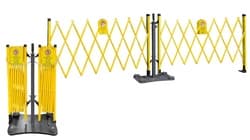
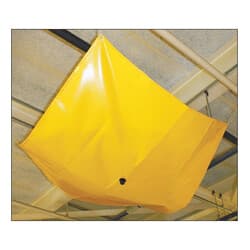
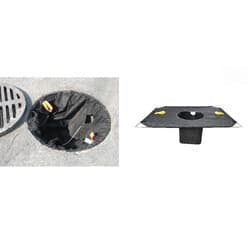
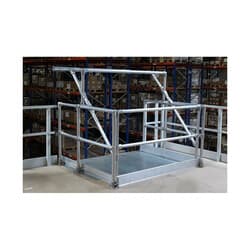
How to Choose the Right Industrial Safety Barriers
Choosing the right industrial safety barriers starts with identifying the hazards and access requirements within your facility. Consider whether you need to control pedestrian movement, restrict access to hazardous areas, separate workers from moving equipment, or establish temporary boundaries around maintenance and repair activities. The right barrier should suit the environment, expected traffic levels, and level of protection required.
For warehouses and distribution centers, barriers can help define pedestrian walkways, separate work zones, and guide visitors away from forklift operating areas. In manufacturing facilities, appropriate barriers can help establish boundaries around machinery, production areas, and restricted-access locations. For entrances, events, and public spaces, crowd control barriers can help organize queues and direct foot traffic.
Material and construction are also important considerations. Steel barriers are often suitable for demanding industrial environments, while lightweight or portable barrier systems can be useful when layouts change frequently. For outdoor applications, consider weather resistance, stability, visibility, and the surface where the barrier will be installed.
Before purchasing, verify the barrier's dimensions, installation requirements, stability, and compatibility with your intended application. Where vehicle impact protection or machine guarding is required, select a product specifically rated and designed for that purpose rather than relying on a basic crowd control barrier.
Key Features to Look for in Industrial Safety Barriers
- Barrier Type: Choose crowd control barriers, fixed protective barriers, or modular barrier systems according to your facility's safety and access-control requirements.
- Material and Construction: Consider steel or other durable materials appropriate for the working environment and expected use.
- Visibility: High-visibility finishes and contrasting colors can help workers and visitors identify restricted areas and designated walkways.
- Stability: Check the base design, mounting method, and stability requirements to ensure the barrier remains secure during normal use.
- Portability: Freestanding and portable barriers are useful for temporary work zones, changing warehouse layouts, and event management.
- Dimensions and Coverage: Confirm the barrier height, width, and number of units needed to establish an effective boundary.
- Indoor and Outdoor Use: Select products suitable for the intended environment, including exposure to weather, moisture, and other operating conditions.
- Installation and Compatibility: Verify whether the barrier requires floor mounting, connecting hardware, posts, or additional accessories.
- Application-Specific Protection: For forklift lanes, machinery, or vehicle-impact hazards, confirm that the selected product provides the appropriate level of protection for the identified risk.
Industries That Use Industrial Safety Barriers
- Warehousing and Distribution: Separate pedestrian walkways from material handling operations, guide traffic, and define restricted storage areas.
- Manufacturing: Establish boundaries around production lines, equipment, workstations, and maintenance areas.
- Construction and Maintenance: Restrict access to temporary work zones and help keep workers and visitors away from active repair activities.
- Retail and Commercial Facilities: Manage queues, direct customer movement, and restrict access to designated areas.
- Transportation and Logistics: Organize pedestrian circulation and access around loading, receiving, and dispatch areas.
- Healthcare Facilities: Define temporary restricted areas and help manage pedestrian movement in suitable nonclinical applications.
- Events and Public Venues: Organize queues, establish controlled entry points, and direct visitors through designated routes.
- Industrial Maintenance and MRO: Mark off repair areas and help prevent unauthorized access while maintenance work is underway.
Frequently Asked Questions About Industrial Safety Barriers
Q1: What are industrial safety barriers used for?
Industrial safety barriers help define work areas, control access, direct pedestrian movement, and separate people from potential hazards. Depending on their design, they can be used in warehouses, manufacturing plants, construction areas, commercial facilities, and public venues.
Q2: What is the difference between crowd control barriers and industrial protective barriers?
Crowd control barriers are primarily used to organize queues, direct pedestrian movement, and establish temporary boundaries. Industrial protective barriers are designed for specific workplace hazards and may provide physical separation or impact protection. Always select a barrier according to the level of protection required for the application.
Q3: Which safety barriers are best for warehouses?
The best choice depends on the hazard and intended use. Portable barriers can help define temporary work zones and pedestrian routes, while purpose-built industrial guardrails or rack protection systems may be appropriate for protecting equipment and storage infrastructure. For forklift and vehicle hazards, verify the barrier's impact rating and installation requirements.
Q4: Can industrial safety barriers be used outdoors?
Yes, some barrier products are suitable for outdoor use. Check the manufacturer's specifications for weather resistance, corrosion protection, stability, and installation requirements before selecting a product for an outdoor environment.
Q5: Are safety barriers portable or permanently installed?
Both options are available, depending on the product type. Freestanding barriers can be moved when temporary boundaries or changing layouts are required. Fixed barriers are installed in designated locations where a more permanent separation is needed. Confirm the mounting and relocation requirements for each model.
Q6: How do I determine how many safety barriers I need?
Measure the length and layout of the area you want to separate, then check the usable width of each barrier and the manufacturer's recommended connection or spacing requirements. Account for entrances, emergency exits, turning areas, and pedestrian access points when planning the layout.
Q7: How do I choose barriers for forklift and pedestrian safety?
Start with a workplace risk assessment to identify vehicle routes, pedestrian crossings, blind corners, and high-traffic areas. Use clearly defined walkways and select purpose-designed protective barriers where physical separation is required. Confirm that the product is suitable for the expected impact risks and does not obstruct emergency exits or required access routes.
Q8: Where can I purchase industrial safety barriers?
Janeice Products Co Inc offers industrial and workplace equipment through its online catalog. Browse the Safety Equipment – Barriers category to review available products and their specifications. For assistance with product selection or bulk purchasing, contact the Janeice Products team at +1 803-652-3025.