
 Deals Of The Day
 Top Sellers
 Top Trending
 New Arrivals
 Shop By Brands
Racks Stacking
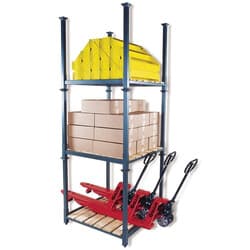
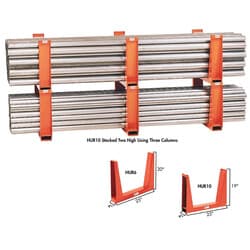
How to Choose the Right Industrial Stacking Racks
Choosing the right industrial stacking racks for your facility starts with understanding the size, weight, and type of materials you need to store. Consider whether you are storing palletized goods, bulky components, raw materials, finished products, or items that require frequent movement. Your storage requirements, available floor space, handling equipment, and inventory turnover will help determine the most suitable rack configuration.
For warehouses and distribution centers handling large quantities of products, stacking racks can help organize inventory and make better use of available space. Depending on the design, certain stacking rack systems can be stacked vertically when loaded or nested when empty, helping businesses adapt storage capacity to changing inventory levels. Always confirm the manufacturer's specifications before stacking units.
Material and construction are also important considerations. Heavy-duty steel racks are suitable for many demanding industrial environments, while the appropriate rack design depends on the dimensions, weight, and handling requirements of the stored materials. Verify the rated capacity of each rack and ensure that the floor surface can safely support the combined load.
Before purchasing, measure your storage area and check the rack's dimensions, entry points, and compatibility with forklifts or other material handling equipment. Select a system that supports your current inventory while allowing sufficient access for employees and equipment.
Key Features to Look for in Industrial Stacking Racks
- Load Capacity: Check the manufacturer's rated capacity for each rack and confirm that it can safely support your intended load.
- Construction and Durability: Look for robust construction and finishes suited to your facility's operating conditions.
- Stacking Configuration: Confirm whether the rack is designed for loaded stacking, empty nesting, or another specific storage arrangement.
- Size and Dimensions: Match the rack's length, width, and height to your available floor space, stored materials, and handling equipment.
- Forklift Accessibility: For forklift-operated facilities, check the entry points and clearances required for safe loading and unloading.
- Storage Flexibility: Consider rack designs that can be rearranged or relocated as inventory levels and storage requirements change.
- Safety and Stability: Follow the manufacturer's stacking instructions, weight limits, and requirements for floor conditions and load distribution.
- Space Utilization: Choose a configuration that improves storage density without blocking aisles or restricting access to inventory.
Industries That Use Industrial Stacking Racks
- Warehousing & Distribution: Organize bulk inventory, incoming shipments, finished products, and goods awaiting dispatch.
- Manufacturing: Store raw materials, production components, work-in-progress items, and finished goods near manufacturing areas.
- Automotive: Manage automotive components, replacement parts, assemblies, and bulky supplies.
- Construction & Building Materials: Organize materials, packaged supplies, and industrial components in warehouses and storage yards, where the rack design is suitable.
- Logistics & 3PL: Improve inventory organization and adapt storage capacity to changing shipment volumes.
- Retail & Wholesale: Store bulk merchandise, replenishment stock, and seasonal inventory.
- Maintenance & MRO: Organize spare parts, equipment, and maintenance materials in industrial facilities.
Frequently Asked Questions About Industrial Stacking Racks
Q1: What are industrial stacking racks used for?
Industrial stacking racks are used to store and organize materials, components, and inventory in warehouses, manufacturing plants, and distribution facilities. Depending on the design, they can help increase storage flexibility and make better use of available floor space.
Q2: What is the difference between stacking racks and standard pallet racks?
Stacking racks are often designed as movable or independently stackable units, depending on the model. Standard pallet racks are typically installed as fixed structures with upright frames and beams. The right choice depends on your inventory, storage layout, handling equipment, and whether you need a fixed or flexible storage system.
Q3: How do I determine the load capacity required for a stacking rack?
Calculate the total weight of the materials you plan to store and compare it with the manufacturer's rated capacity. Consider how the load is distributed and whether multiple racks will be stacked. Never exceed the stated capacity or assume that stacking several units increases the permissible load.
Q4: Can stacking racks be used with forklifts?
Some industrial stacking racks are designed for forklift handling, but compatibility depends on the rack's construction, entry points, dimensions, and load rating. Check the manufacturer's specifications and ensure that operators can handle the rack safely with the available equipment.
Q5: Can stacking racks help save warehouse space?
Yes. Suitable stacking rack systems can increase vertical storage utilization and reduce the need to store every item directly on the floor. However, the achievable space savings depend on ceiling height, load characteristics, aisle requirements, floor capacity, and the rack's approved stacking configuration.
Q6: What safety precautions should I follow when using stacking racks?
Inspect racks for damage before use, distribute loads evenly, follow the manufacturer's capacity and stacking instructions, and use racks on suitable level surfaces. Keep aisles clear, ensure forklift operators are trained, and remove damaged units from service until they have been assessed.
Q7: How do I choose the right size of stacking rack for my warehouse?
Measure the available storage area, ceiling clearance, aisle widths, and access points. Then determine the dimensions and weight of your materials, the number of units required, and the handling equipment you will use. Compare these requirements with the product specifications to select an appropriate rack configuration.
Q8: Can I order industrial stacking racks for bulk storage requirements?
Janeice Products Co Inc serves businesses nationwide with industrial and material handling supplies. Browse the available rack options and review their product specifications to identify a suitable solution. For assistance with larger orders or specific storage requirements, contact the team at +1 803-652-3025 or submit a quote request through the website.