
 Deals Of The Day
 Top Sellers
 Top Trending
 New Arrivals
 Shop By Brands
Racks Cantilever
How to Choose the Right Industrial Cantilever Racks
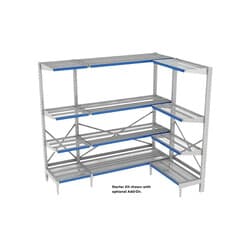
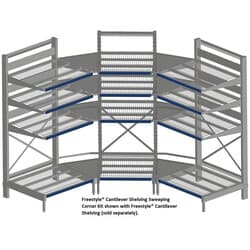
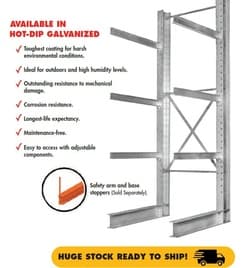
Choosing the right cantilever rack system starts with understanding the dimensions, weight, and shape of the materials you need to store. Unlike conventional pallet racks, cantilever racks use horizontal arms supported by vertical uprights, creating open-front storage that makes loading and unloading long or bulky items easier. This design is particularly useful for products that are difficult to accommodate on standard shelves or pallet rack systems.
Consider the length and weight of your materials, the required storage height, and the number of storage levels needed. Light-duty cantilever racks may be suitable for smaller or lighter materials, while medium-duty and heavy-duty systems are designed for more demanding storage applications. Always verify the rated capacity of each arm, upright, and complete rack configuration before loading materials.
You should also determine whether you need single-sided or double-sided storage. Single-sided cantilever racks are useful when the system must sit against a wall, while double-sided configurations provide access from both sides and can increase storage density in open warehouse areas. Adjustable arms allow you to customize the vertical spacing between storage levels according to the dimensions of your inventory.
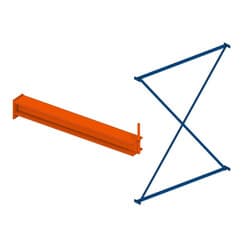
Before purchasing a cantilever rack system, measure your available floor space, ceiling height, aisle width, and the longest materials you plan to store. Confirm the compatibility of rack arms, uprights, braces, and accessories to ensure that all components work together as intended.
Key Features to Look for in Industrial Cantilever Racks
- Load Capacity: Match the rated capacity of each arm and upright to the weight of the materials being stored. Account for the manufacturer's specified limits for the complete rack configuration.
- Rack Duty Rating: Select light-duty, medium-duty, or heavy-duty systems based on material weight, dimensions, and frequency of handling.
- Adjustable Arms: Choose systems with adjustable arms to accommodate different material heights and changing inventory requirements.
- Arm Length: Ensure the arms provide sufficient support for the width and depth of your stored materials without exceeding the manufacturer's recommended load limits.
- Single-Sided or Double-Sided Design: Select single-sided units for wall-adjacent storage or double-sided systems when access from both sides is beneficial.
- Uprights and Bracing: Check the height, structural design, and compatibility of uprights and braces to support the intended configuration.
- Available Space: Measure ceiling clearance, aisle widths, and floor dimensions before installation to maintain efficient material handling and safe access.
- Expandable Components: Consider compatible additional arms, braces, and rack sections if you expect your storage requirements to grow.
Industries That Use Industrial Cantilever Racks
- Lumber and Building Materials: Store lumber, wooden boards, panels, and other long building materials for convenient access.
- Manufacturing: Organize metal stock, pipes, tubing, bars, profiles, and production materials near work areas.
- Warehousing and Distribution: Store long, bulky, or irregularly shaped inventory that does not fit efficiently on conventional pallet racks.
- Steel and Metal Fabrication: Organize steel bars, metal rods, tubes, structural sections, and other raw materials.
- Plumbing and HVAC: Store pipes, conduits, ducts, and long installation materials in organized storage locations.
- Construction and MRO: Keep maintenance materials, replacement components, and building supplies accessible in workshops and industrial facilities.
- Furniture and Millwork: Organize boards, trim, long panels, and other materials used in furniture manufacturing and woodworking.
Frequently Asked Questions About Industrial Cantilever Racks
Q1: What are industrial cantilever racks used for?
Industrial cantilever racks are designed to store long, bulky, and irregularly shaped materials that can be difficult to handle on conventional shelving or pallet racks. Common applications include storing lumber, pipes, metal bars, tubing, boards, and construction materials.
Q2: What is the difference between cantilever racks and pallet racks?
Cantilever racks use horizontal arms extending from vertical uprights, leaving the front of each storage level open for loading long materials. Pallet racks typically use horizontal beams to support pallets. Cantilever systems are generally more suitable for long or irregularly shaped products, while pallet racks are commonly used for palletized inventory.
Q3: Are cantilever rack arms adjustable?
Yes. Many cantilever rack systems feature adjustable arms that can be repositioned along the uprights to accommodate materials of different heights. For example, certain Series 2000 medium-heavy-duty cantilever rack arms are adjustable at 3-inch intervals. Always check the specifications of the selected model for its adjustment pattern and compatibility.
Q4: Should I choose a single-sided or double-sided cantilever rack?
Single-sided cantilever racks are generally suitable for installation along a wall or where storage access is needed from one side. Double-sided systems provide access from both sides and can be useful in warehouse aisles or open storage areas. Your choice should depend on available floor space, inventory volume, and material-handling requirements.
Q5: How do I determine the load capacity required for cantilever racks?
Start by calculating the weight of the materials stored on each arm and each storage level. Then verify the rated arm capacity, upright capacity, and complete rack-system capacity using the manufacturer's specifications. Load distribution and the number of arms supporting each item also matter. Never exceed the specified limits or assume that the capacity of individual components automatically equals the capacity of the entire system.
Q6: Can cantilever racks store different types and lengths of materials?
Yes. Cantilever racks are well suited for storing materials with different lengths and dimensions, provided the rack configuration is designed and rated for those loads. Adjustable arms can help accommodate changing inventory. Check the material's weight, support requirements, and recommended overhang limits before storing it.
Q7: Can I expand my cantilever rack system as my business grows?
Many cantilever rack systems offer compatible components, such as additional arms, uprights, braces, and extensions. Expansion depends on the rack series and its design. Before adding components, confirm compatibility with the existing system and ensure that the revised configuration meets the manufacturer's load and installation requirements.