
 Deals Of The Day
 Top Sellers
 Top Trending
 New Arrivals
 Shop By Brands
Platform Work Height
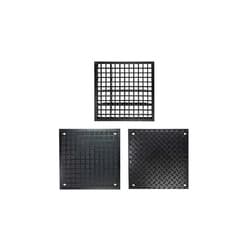
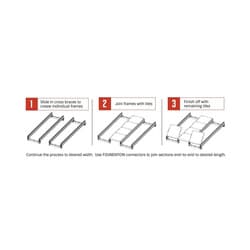
How to Choose the Right Work Height Platform
Choosing the right work height platform starts with understanding your working environment, required platform elevation, load capacity, and available floor space. Consider whether you need a fixed-height platform, an adjustable-height platform, or a modular platform system that can be configured to suit your workspace. The right selection can help employees perform tasks more comfortably while providing a stable surface for industrial operations.
For work areas with uneven floors or changing height requirements, adjustable-height steel work platforms can provide greater flexibility. Certain models feature adjustable feet that allow the platform height to be changed and help level the working surface. For example, Janeice Products offers an adjustable-height steel work platform with a height range of 9 to 14 inches and a stated load capacity of 500 lbs. Always verify the specifications of the individual model before ordering.
Modular platform systems are useful when a facility needs to configure or expand an elevated work area. Consider the platform dimensions, connection options, surface design, and compatibility with adjacent platform sections when planning your installation. Also evaluate the expected load, including workers, equipment, tools, and materials, to ensure the selected platform meets your operational requirements.
Before purchasing, measure the installation area, check floor conditions, and confirm the required working height. For platforms used where workers could fall, assess the need for guardrails, stairs, ramps, or other appropriate access and fall-protection measures.
Key Features to Look for in Industrial Work Height Platforms
- Height Adjustment: Choose adjustable-height platforms when you need to accommodate different working levels or compensate for uneven surfaces.
- Load Capacity: Confirm that the platform's rated capacity is sufficient for the combined weight of workers, tools, equipment, and materials.
- Slip-Resistant Surface: Look for serrated or otherwise slip-resistant platform surfaces to improve footing in industrial environments.
- Construction Material: Steel platforms can provide durable support for demanding industrial applications. Select materials and finishes appropriate for your work environment.
- Platform Dimensions: Check the platform's length, width, and height to ensure adequate working space and a suitable fit within your facility.
- Modular Configuration: Consider modular platform systems when you need flexible layouts or the ability to expand a work area.
- Stability and Leveling: Adjustable feet and suitable support structures can help establish a stable working surface on appropriate floor conditions.
- Safety Accessories: Evaluate guardrails, stairs, access points, and other protective features according to the platform's height, application, and applicable workplace safety requirements.
Industries That Use Work Height Platforms
- Manufacturing: Create elevated work areas for assembly, inspection, equipment operation, and production tasks.
- Warehousing & Distribution: Support designated workstations, equipment access, and operational activities within warehouse facilities.
- Automotive: Provide stable working surfaces for maintenance, inspection, and component-handling activities.
- Construction & Maintenance: Support suitable elevated work areas for installation, repair, and facility maintenance tasks.
- Industrial Facilities: Configure dedicated platforms around machinery, production equipment, and specialized workstations.
- Material Handling Operations: Improve access to designated work areas and support organized workflows in facilities handling equipment and materials.
- Assembly & Packaging: Establish work surfaces at suitable heights for repetitive assembly, inspection, and packaging operations.
Frequently Asked Questions About Work Height Platforms
Q1: What is an industrial work height platform used for?
Industrial work height platforms provide a stable elevated surface for specific workplace activities, including assembly, inspection, maintenance, and equipment access. They can help position work at a more suitable height and improve workflow organization when selected for the intended application.
Q2: What is the difference between a fixed-height and an adjustable-height platform?
A fixed-height platform is designed for a specific elevation, while an adjustable-height platform allows the working height to be changed within the manufacturer's specified range. Adjustable models can be useful when work requirements vary or when leveling is needed on suitable uneven surfaces.
Q3: What load capacity should I choose for a work height platform?
Choose a platform based on the manufacturer's rated capacity and the total expected load, including workers, tools, equipment, and materials. Never exceed the specified limit. For example, one adjustable-height steel platform listed by Janeice Products has a stated capacity of 500 lbs; other models may have different ratings.
Q4: Are adjustable-height steel work platforms suitable for uneven floors?
Some adjustable-height steel platforms feature adjustable feet designed to help level the platform on uneven surfaces. The suitability depends on the degree of unevenness, the floor condition, and the product's design limitations. Always follow the manufacturer's installation and leveling instructions.
Q5: What should I consider when selecting a modular platform system?
Consider the required platform area, working height, load capacity, surface design, connection method, and available installation space. Confirm that the selected components are compatible and that the assembled system meets the requirements of your intended application.
Q6: What safety features should I look for in a work height platform?
Look for a stable support structure, an appropriate load rating, a slip-resistant surface, and suitable access arrangements. Depending on the height and workplace conditions, guardrails, stairs, or other fall-protection measures may also be required. Follow applicable workplace safety regulations and manufacturer guidance.
Q7: How can I select the right work height platform for my facility?
Start by identifying the required working height, available floor space, expected load, and frequency of use. Then compare platform dimensions, construction materials, adjustment options, surface features, and installation requirements. Review the individual product specifications or contact Janeice Products for assistance with your facility's requirements.