
 Deals Of The Day
 Top Sellers
 Top Trending
 New Arrivals
 Shop By Brands
Platform Heavy Duty
How to Choose the Right Heavy-Duty Platform
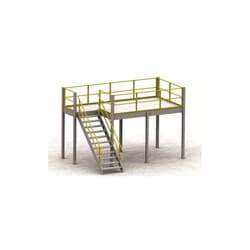
Choosing the right heavy-duty platform starts with understanding your application, load requirements, working height, and available floor space. Consider whether the platform will be used for standing work, accessing elevated areas, supporting equipment, or creating a stable work surface. Selecting a platform with the correct dimensions, construction, and weight capacity helps improve workplace efficiency and supports safer operations.
For industrial workstations and maintenance areas, steel platforms can provide a durable solution for frequent use. Adjustable-height platforms are useful when workers need to level the platform on uneven surfaces or configure multiple units together to create a larger working area. For example, Janeice Products offers an adjustable-height steel work platform with heavy-duty serrated grating, a powder-coated finish, and a stated 500 lb capacity. Always verify the specifications of the particular model before selecting equipment for your application.
Working height and surface design are also important considerations. A platform should provide sufficient clearance for the task while maintaining a stable footing. Slip-resistant surfaces can be especially valuable in industrial environments where employees regularly move between workstations or handle materials. Before purchasing, confirm the platform's load capacity, height range, dimensions, support configuration, and installation requirements.
Key Features to Look for in Heavy-Duty Platforms
- Load Capacity: Select a platform rated to support the combined weight of workers, tools, equipment, and materials. Never exceed the manufacturer's stated capacity.
- Construction Material: Steel platforms are suitable for many demanding industrial applications. Choose a construction type appropriate for your working environment and expected usage.
- Slip-Resistant Surface: Serrated grating or other slip-resistant surfaces can help provide secure footing during routine industrial tasks.
- Height Adjustment: Adjustable-height platforms allow working levels to be customized for specific tasks or uneven surfaces, depending on the model.
- Platform Dimensions: Check the length, width, and height to ensure the platform fits your workspace and provides sufficient room for the intended activity.
- Stability and Support: Review the number and configuration of support legs, the floor conditions, and the manufacturer's installation recommendations.
- Finish and Durability: Powder-coated finishes can help protect steel surfaces and maintain their appearance during regular use.
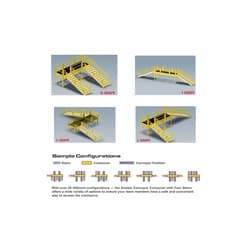
- Configuration Options: Some platforms can be positioned together to create larger working areas. Confirm that the model is designed for this arrangement before connecting multiple units.
Industries That Use Heavy-Duty Platforms
- Manufacturing: Provide stable working areas for assembly, production tasks, equipment access, and maintenance activities.
- Warehousing and Distribution: Support selected picking, inspection, packing, and material handling tasks where an appropriate platform is required.
- Automotive: Assist with maintenance, inspection, and servicing tasks in workshops and production facilities.
- Construction and Maintenance: Provide suitable working surfaces for designated repair, inspection, and facility maintenance applications.
- Industrial Facilities: Support routine equipment servicing, workstation operations, and other tasks that require a stable elevated or adjustable work surface.
- Packaging and Processing: Help establish practical working positions around designated inspection, preparation, and packaging stations.
Frequently Asked Questions About Heavy-Duty Platforms
Q1: What are heavy-duty platforms used for?
Heavy-duty platforms are used to provide stable working surfaces for industrial tasks, maintenance activities, equipment access, and workstation operations. The appropriate platform depends on the required working height, load capacity, dimensions, and intended application.
Q2: What is the difference between a standard platform and an adjustable-height platform?
A standard platform has a fixed working height, while an adjustable-height platform allows its height to be changed within the manufacturer's specified range. Adjustable models can be useful when working conditions or floor levels vary. Check each product's specifications to determine its available adjustment range.
Q3: How much weight can a heavy-duty platform support?
Load capacity varies by model, size, and construction. For example, Janeice Products lists an adjustable-height steel work platform with a 500 lb capacity. Always consult the individual product specifications and account for the total load, including people, tools, and materials.
Q4: Are steel platforms suitable for industrial environments?
Steel platforms are commonly used in industrial environments because they offer durable construction for demanding applications. Features such as reinforced supports, protective finishes, and slip-resistant surfaces vary by model and should be evaluated against your operational requirements.
Q5: What should I consider when selecting a platform height?
Consider the task being performed, the height of the working area, the clearance available, and the need for stable footing. For adjustable models, verify the minimum and maximum height and ensure the platform is suitable for the intended application. If the task involves working at elevation, select equipment specifically designed and rated for that purpose.
Q6: Can multiple platforms be combined to create a larger working area?
Some adjustable-height steel platforms are designed to be placed together to create larger working areas. Compatibility and safe configuration depend on the specific model. Follow the manufacturer's instructions and do not assume that separate platforms can be connected or used as a continuous surface without approval.
Q7: How do I maintain a heavy-duty industrial platform?
Inspect the platform regularly for damaged surfaces, loose components, corrosion, unstable supports, and other signs of wear. Keep the working surface clean and follow the manufacturer's maintenance and inspection recommendations. Remove damaged equipment from service until it has been inspected and repaired appropriately.