
 Deals Of The Day
 Top Sellers
 Top Trending
 New Arrivals
 Shop By Brands
Platform Aluminum
Shop aluminum order picking platforms at Janeice Products Co Inc, your trusted material handling supply source based in Aiken, South Carolina. Whether you need lightweight platforms for warehouse order picking, elevated access for inventory handling, or efficient solutions for picking, staging, and transferring materials, our catalog includes professional-grade aluminum platforms designed for demanding industrial environments. Built for mobility and practical workplace use, these platforms help warehouses, distribution centers, manufacturing facilities, and maintenance teams improve material handling efficiency while supporting organized and productive operations. Explore our aluminum platform solutions to find equipment that matches your application, workspace, and load requirements.
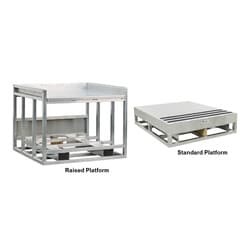
How to Choose the Right Aluminum Platform
Choosing the right aluminum platform for your facility starts with understanding the tasks employees need to perform and the loads the platform must support. Consider the required working height, platform dimensions, maximum load capacity, and whether the equipment will remain stationary or move between work areas. For warehouse picking and inventory operations, aluminum order picking platforms can help employees access, pick, stage, and transfer materials efficiently.
Aluminum is valued in industrial applications for its relatively lightweight construction and natural corrosion resistance. Compared with heavier steel equipment of similar design, aluminum platforms can be easier to handle and reposition, depending on their construction and configuration. These characteristics make them useful for facilities that need practical access equipment for routine picking and material handling tasks.
Platform size is another important consideration. A platform must provide sufficient working space for employees and the materials being handled without obstructing nearby aisles, shelving, or equipment. Check the manufacturer's specifications for overall dimensions, working height, rated capacity, and any required accessories before selecting a model.
Safety should always be a priority when choosing an elevated work platform. Evaluate the platform surface, stability, access method, and any applicable guardrails or fall-protection requirements. Always follow the manufacturer's instructions and workplace safety procedures, and never exceed the rated load capacity.
Key Features to Look for in Aluminum Platforms
-
Lightweight Construction: Aluminum construction can make equipment easier to maneuver and reposition for suitable industrial applications.
-
Load Capacity: Verify the rated capacity and ensure it can safely support the operator, tools, and materials involved in the task.
-
Platform Dimensions: Choose a platform width, length, and working area appropriate for your picking or access requirements.
-
Working Height: Select a platform that provides the required access height while meeting the safety requirements of your workplace.
-
Corrosion Resistance: Aluminum naturally resists corrosion, making it a useful material for many industrial environments.
-
Stability and Surface Grip: Look for a stable design and an appropriate nonslip platform surface to help reduce slipping risks.
-
Mobility and Positioning: Consider whether the platform needs to be moved between aisles, workstations, or picking locations.
-
Safety Features: Check the availability and requirements for guardrails, secure access, locking mechanisms, and other safety components appropriate to the platform design.
Industries That Use Aluminum Platforms
-
Warehousing & Distribution: Support order picking, inventory access, and material staging in warehouse operations.
-
Manufacturing: Provide access for assembly support, component handling, and routine production activities.
-
E-commerce Fulfillment: Assist with picking, sorting, and transferring inventory in order fulfillment facilities.
-
Retail & Wholesale Distribution: Support stock handling and inventory organization in backrooms and distribution areas.
-
Maintenance & Facilities Management: Provide suitable access for approved inspection, servicing, and maintenance tasks.
-
Logistics & Supply Chain: Help teams handle and stage materials during receiving, order preparation, and dispatch operations.
Frequently Asked Questions About Aluminum Platforms
Q1: What are aluminum platforms used for?
Aluminum platforms are used to provide a stable working surface or access area for suitable industrial tasks. Depending on the model, they can support warehouse order picking, inventory handling, material staging, and other workplace activities that require an elevated or dedicated platform.
Q2: What are the advantages of aluminum platforms compared with steel platforms?
Aluminum platforms are generally lighter than comparable steel designs and offer natural corrosion resistance. These characteristics can make them easier to reposition and useful in environments where equipment weight and corrosion resistance are important. The best choice depends on the required load capacity, construction, working conditions, and application.
Q3: How do I select the correct platform size?
Consider the available workspace, required working height, dimensions of the materials being handled, and the movement needed to complete the task. Confirm the product's overall dimensions and rated capacity before ordering, and ensure the platform fits the intended work area without obstructing access routes.
Q4: Are aluminum platforms suitable for warehouse order picking?
Yes. Aluminum order picking platforms are designed for applications involving picking, staging, and transferring materials. Select a model based on the required access height, working area, mobility needs, and the manufacturer's stated operating limits.
Q5: What safety features should I check before purchasing an aluminum platform?
Review the platform's load rating, stability, surface grip, access design, and any applicable guardrails or fall-protection provisions. Confirm that the equipment is suitable for the intended task and follow all manufacturer instructions and workplace safety requirements.
Q6: Are aluminum platforms resistant to corrosion?
Yes. Aluminum naturally forms a protective oxide layer that helps resist corrosion. However, its performance depends on the specific environment, exposure to chemicals, and product design. Review the manufacturer's guidance if the platform will be used in particularly corrosive conditions.
Q7: How do I maintain an aluminum platform?
Inspect the platform regularly for damage, loose components, deformation, worn surfaces, and other defects. Keep the working surface clean, follow the manufacturer's maintenance instructions, and remove damaged equipment from service until it has been inspected and repaired as required.