
 Deals Of The Day
 Top Sellers
 Top Trending
 New Arrivals
 Shop By Brands
Pallets & Equipment Racks
Shop industrial pallet racks and warehouse storage rack equipment at Janeice Products Co Inc, your trusted material handling supply source based in Aiken, South Carolina. Whether you need pallet rack components for organized warehouse storage, wire decking to support stored materials, rack guards to help protect storage systems from impact, or rack safety netting to help prevent products from falling, our catalog offers practical solutions for warehouses, distribution centers, manufacturing facilities, and industrial operations. Explore rack equipment designed to improve storage organization, make better use of available space, and support safer material handling workflows.
How to Choose the Right Pallet Racks and Rack Equipment
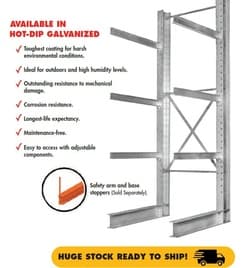
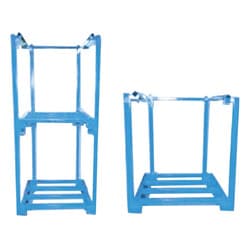
Choosing the right pallet racks and rack equipment for your facility starts with understanding your inventory, storage requirements, available floor space, and material handling processes. Consider the dimensions and weight of your pallets, the number of storage levels required, forklift access, and the frequency of inventory movement. A properly planned rack system helps maximize vertical storage space while keeping products accessible for picking, replenishment, and shipping.
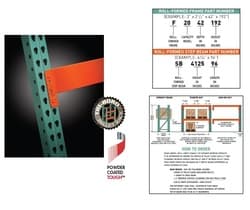
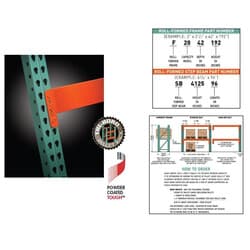
For warehouses and distribution centers that store palletized goods, pallet racks provide organized storage and improve inventory accessibility. When selecting a rack system, verify the required load capacity, beam dimensions, upright configuration, and compatibility with your existing warehouse layout. Always follow the manufacturer's load ratings and installation requirements.
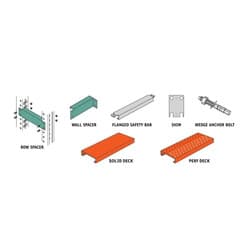
Rack decking is another important consideration. Wire decking provides a stable supporting surface for compatible pallet rack systems and improves visibility through the shelves. Janeice Products offers wire decking designed for compatible pallet rack beams, helping businesses organize stored materials and maintain practical storage configurations.
Rack protection and containment equipment can also help improve warehouse safety. Rack guards help protect rack uprights and aisle ends from impacts caused by forklifts and other material handling equipment. Pallet rack guard netting can help contain stored products and reduce the risk of items falling into work areas. Select these accessories based on your rack configuration, traffic patterns, stored products, and facility safety requirements.
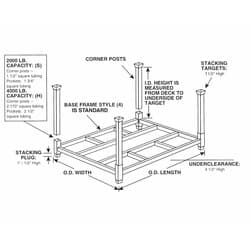
Before ordering, verify the rack dimensions, beam compatibility, load ratings, installation requirements, and the specifications of any protective accessories. For existing installations, confirm that replacement components match the original rack system and are approved for use with your equipment.
Key Features to Look for in Pallet Racks and Rack Equipment
-
Load Capacity: Check the rated capacity of beams, uprights, decking, and the complete rack configuration. Never exceed the manufacturer's specified limits.
-
Rack Dimensions: Match rack height, depth, beam length, and bay configuration to your pallet sizes, ceiling clearance, and available floor space.
-
Wire Decking: Choose compatible wire decking to provide a supporting surface for stored materials while maintaining visibility and allowing debris to pass through.
-
Rack Protection: Consider upright protectors, post guards, and end-of-aisle guards to help reduce damage from material handling equipment.
-
Safety Netting: Select suitable pallet rack guard nets to help contain products and reduce the risk of items falling into work areas.
-
Forklift Accessibility: Plan aisle widths and rack layouts according to the turning radius and operating requirements of your material handling equipment.
-
Installation Compatibility: Confirm that beams, decking, guards, and accessories are compatible with the specific rack system being used.
-
Warehouse Space Utilization: Choose a configuration that balances storage density, product accessibility, inventory rotation, and safe movement throughout the facility.
Industries That Use Pallet Racks and Rack Equipment
-
Warehousing & 3PL: Organize palletized inventory, improve picking efficiency, and make better use of vertical storage space.
-
Manufacturing: Store raw materials, work-in-progress inventory, finished goods, and production supplies near operational areas.
-
Retail & Distribution: Manage bulk inventory, seasonal merchandise, replenishment stock, and outbound shipping operations.
-
Automotive & Industrial Parts: Store boxed components, replacement parts, equipment, and palletized supplies in organized warehouse locations.
-
Food & Beverage Distribution: Organize packaged products and bulk inventory using rack configurations suited to the facility's handling and storage requirements.
-
Construction & Building Materials: Store palletized materials, packaged supplies, tools, and industrial products in designated storage areas.
-
E-commerce Fulfillment: Support inventory organization, order picking, replenishment, and dispatch operations in high-volume fulfillment centers.
-
Cold Storage & Logistics: Use compatible rack systems and accessories designed for the operating environment and the facility's specific storage requirements.
Frequently Asked Questions About Pallet Racks and Rack Equipment
Q1: What are pallet racks used for?
Pallet racks are storage structures designed to organize palletized goods in warehouses, distribution centers, manufacturing facilities, and other industrial environments. They use vertical space to store inventory while allowing access for forklifts and other material handling equipment. The appropriate rack configuration depends on the products being stored, load requirements, and warehouse layout.
Q2: What is the difference between pallet racks and rack decking?
Pallet racks are the structural storage systems that support inventory. Rack decking is installed across compatible rack beams to create a supporting surface for stored products. Wire decking is a common option because it provides visibility through the shelf and can help reduce the accumulation of dust and debris on storage surfaces. Always confirm decking compatibility and load ratings before installation.
Q3: How do I determine the load capacity required for pallet racks?
Start by identifying the weight and dimensions of your pallets, the number of pallet positions per beam level, and the number of storage levels. Check the manufacturer's rated beam and upright capacities and the requirements for the complete rack configuration. Account for the applicable load distribution and installation conditions, and consult a qualified rack professional when designing or modifying a storage system.
Q4: What are pallet rack guards used for?
Pallet rack guards help protect rack uprights, corners, and aisle ends from potential impacts caused by forklifts, pallet jacks, and other material handling equipment. They can help reduce rack damage and maintenance costs. Choose guards that fit the rack dimensions and the level of protection required in your facility.
Q5: Why is pallet rack safety netting important?
Pallet rack safety netting helps contain stored products and can reduce the risk of items falling from racks into aisles or work areas. It is particularly useful in locations where people or equipment operate near stored inventory. Select netting based on the rack dimensions, expected loads, installation method, and manufacturer specifications. Netting should complement, not replace, appropriate rack design and safe loading practices.
Q6: Can I upgrade or add accessories to an existing pallet rack system?
Yes, some existing rack systems can accommodate compatible accessories such as wire decking, rack guards, and safety netting. However, compatibility depends on the rack design, dimensions, beam profile, and intended application. Verify the specifications and manufacturer requirements before adding or replacing components. Structural modifications should be reviewed by a qualified rack professional.
Q7: How can I improve warehouse storage efficiency with pallet racks?
You can improve storage efficiency by assessing inventory turnover, optimizing rack height and bay layout, selecting appropriate pallet positions, maintaining clear aisles, and organizing products according to picking frequency. Compatible decking and rack accessories can further improve storage organization and protection. Always balance storage density with forklift access, inspection requirements, and safe operating practices.