
 Deals Of The Day
 Top Sellers
 Top Trending
 New Arrivals
 Shop By Brands
Office Furniture File Cabinets
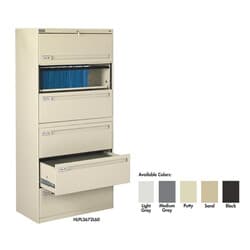
How to Choose the Right Office File Cabinets
Choosing the right office file cabinet starts with understanding your document storage requirements, available floor space, and filing workflow. Consider the volume of paperwork you manage, the frequency with which employees access files, and whether documents need to be stored in letter-size, legal-size, or other formats. Selecting the appropriate cabinet configuration can help improve organization, reduce clutter, and make daily administrative tasks more efficient.
Vertical file cabinets are a practical choice for offices with limited floor space because they store documents in vertically arranged drawers. They work well beside desks, in individual workstations, and in smaller administrative areas. Lateral file cabinets feature wider drawers that allow files to be arranged horizontally, making them useful for departments managing large volumes of records or requiring convenient access to multiple file categories.
Security is another important consideration when selecting an office file cabinet. If your organization stores confidential paperwork, employee records, financial documents, or customer information, consider a cabinet with a suitable locking mechanism. Also evaluate the cabinet's construction, drawer capacity, and stability to ensure it meets your workplace requirements.
Before purchasing, measure the available installation area and check the cabinet's width, depth, and height. Allow sufficient clearance for drawers to open fully and for employees to access files comfortably. Confirm that the selected cabinet supports your preferred filing system and accommodates the document sizes you use most frequently.
Key Features to Look for in Office File Cabinets
- Cabinet Configuration: Choose vertical file cabinets for narrow spaces or lateral file cabinets when wider drawers and side-by-side filing are preferable.
- Storage Capacity: Evaluate the number of drawers and the amount of paperwork your office needs to store, including anticipated future growth.
- Locking Mechanism: Consider lockable cabinets for storing confidential documents, personnel records, financial paperwork, and sensitive business information.
- Drawer Design: Look for smooth drawer operation and suitable drawer extension to make frequently accessed documents easier to retrieve.
- Construction and Durability: Select cabinets made from durable materials, such as steel, when long-term performance is important in a busy office environment.
- Document Compatibility: Check whether the cabinet accommodates letter-size, legal-size, hanging folders, or other filing formats required by your organization.
- Space and Dimensions: Measure the installation area and ensure drawers can open without obstructing walkways, desks, or nearby furniture.
- Organization and Accessibility: Consider drawer labels, file dividers, and a consistent filing system to help employees locate records quickly.
Industries That Use Office File Cabinets
- Corporate Offices: Organize contracts, financial reports, employee documents, correspondence, and general administrative records.
- Healthcare and Medical Administration: Store administrative paperwork, billing records, and other documents in accordance with applicable privacy and recordkeeping requirements.
- Education: Maintain student records, enrollment documents, staff files, examination paperwork, and administrative materials.
- Legal Services: Organize case files, contracts, client correspondence, and other legal documents requiring structured storage.
- Accounting and Finance: Store invoices, tax documents, financial statements, expense reports, and supporting business records.
- Government and Public Administration: Maintain departmental paperwork, application records, correspondence, and official documents.
- Small Businesses and Home Offices: Keep invoices, customer records, receipts, business agreements, and daily paperwork organized and accessible.
Frequently Asked Questions About Office File Cabinets
Q1: What are office file cabinets used for?
Office file cabinets are designed to organize, store, and retrieve paperwork in professional and home office environments. They help businesses maintain structured filing systems for contracts, invoices, employee records, customer documents, financial paperwork, and other administrative materials.
Q2: What is the difference between vertical and lateral file cabinets?
Vertical file cabinets have drawers arranged one above another and typically occupy less floor width, making them suitable for compact workspaces. Lateral file cabinets have wider drawers that allow documents to be arranged side by side. They are often preferred for larger filing collections and departments that need convenient access to multiple file categories.
Q3: Are office file cabinets available with locks?
Many office file cabinets are available with locking mechanisms to help restrict unauthorized access to stored documents. Locking features can vary by model, so review the individual product specifications to confirm the type of lock provided and whether it meets your security requirements.
Q4: How do I choose the right size file cabinet for my office?
Start by measuring the available floor space, including the clearance needed to open drawers fully. Estimate the number of documents you need to store and determine whether your files use letter-size, legal-size, or other formats. Then compare cabinet dimensions, drawer capacity, and filing configurations to find an appropriate option.
Q5: What materials are commonly used for office file cabinets?
Office file cabinets are commonly manufactured from steel, wood, engineered wood, and other materials, depending on the design and intended use. Steel cabinets are often selected for durability in busy workplaces, while wood and engineered-wood cabinets may suit offices where furniture appearance is a priority. Always check the product specifications for the material and construction.
Q6: How can I keep files organized inside an office file cabinet?
Use labeled folders, hanging files, dividers, and consistent naming or classification systems. Organize documents by department, client, project, date, or document type, depending on your workflow. Review stored records periodically and follow your organization's document retention and secure disposal policies to prevent unnecessary accumulation.