
 Deals Of The Day
 Top Sellers
 Top Trending
 New Arrivals
 Shop By Brands
Matting Ergonomic Matting
Shop industrial ergonomic matting at Janeice Products Co Inc, your trusted material handling supply source based in Aiken, South Carolina. Whether you need anti-fatigue mats for standing workstations, ergonomic floor mats for assembly lines, or cushioned matting for manufacturing and packaging areas, our catalog offers workplace flooring solutions designed to improve comfort and support daily operations. Ergonomic matting helps reduce discomfort associated with prolonged standing, provides a more comfortable working surface, and supports productivity in demanding industrial environments. Explore matting options for warehouses, manufacturing plants, distribution centers, workshops, and commercial facilities to find the right solution for your workplace.
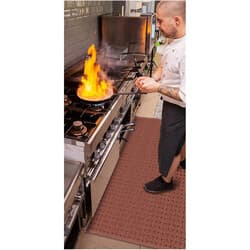
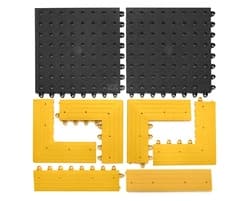
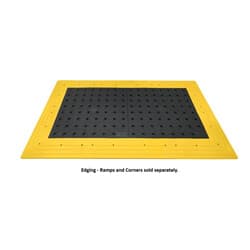
How to Choose the Right Ergonomic Matting
Choosing the right ergonomic matting for your facility starts with understanding the work environment and how employees use the space. Consider whether workers stand in one position for extended periods, move frequently between workstations, or perform repetitive tasks on hard concrete floors. Anti-fatigue matting provides cushioning underfoot and may help reduce discomfort and fatigue associated with prolonged standing.
The material and surface design are important factors when selecting ergonomic floor mats. Rubber matting is commonly used in industrial environments because of its durability and grip, while specialized foam and composite materials can provide additional cushioning for standing workstations. For areas exposed to oils, water, grease, or industrial chemicals, verify that the selected mat is compatible with the substances present in your facility.
Safety should also be a priority. Choose mats with suitable slip-resistant surfaces and beveled edges where appropriate to help reduce slipping and tripping risks. In manufacturing and assembly areas, interlocking or modular matting can help cover larger work zones and make it easier to configure the flooring around equipment and workstations.
Before ordering, measure the area that needs coverage and consider the mat's thickness, surface texture, cleaning requirements, and compatibility with carts or other equipment. Selecting the correct matting helps create a more comfortable, practical, and organized working environment.
Key Features to Look for in Ergonomic Matting
-
Anti-Fatigue Cushioning: Choose matting that provides appropriate cushioning for employees who stand for long periods on hard floors.
-
Slip Resistance: Look for surface textures designed to provide traction in the intended work environment, particularly in areas where spills may occur.
-
Durable Material: Select rubber, foam, or other suitable materials based on foot traffic, environmental conditions, and expected service life.
-
Thickness and Support: Consider mat thickness and firmness according to the standing task and comfort requirements.
-
Beveled Edges: Beveled edges can help reduce trip hazards and make it easier to move carts or equipment across mat boundaries.
-
Size and Coverage: Measure the workstation or production area before ordering. Modular or interlocking mats can be useful for covering larger areas.
-
Easy Maintenance: Choose mats that can be cleaned using methods compatible with the material and the workplace's hygiene requirements.
-
Environmental Compatibility: Confirm resistance to oils, grease, moisture, chemicals, or temperature variations when required by the application.
Industries That Use Ergonomic Matting
-
Manufacturing: Provide cushioned standing surfaces for assembly lines, production stations, and repetitive manufacturing tasks.
-
Warehousing and Distribution: Improve comfort at packing stations, order-picking counters, inspection areas, and shipping workstations.
-
Automotive: Support employees working at repair benches, assembly stations, parts counters, and maintenance areas.
-
Food Processing: Use suitable washable and slip-resistant matting in work areas where moisture and frequent cleaning are concerns.
-
Healthcare and Laboratories: Provide appropriate ergonomic flooring for standing workstations, preparation areas, and selected laboratory tasks.
-
Retail and Commercial Facilities: Improve comfort for employees who stand for extended periods at service counters, checkout stations, and work areas.
-
Maintenance and MRO: Provide cushioning in workshops, repair stations, and equipment maintenance areas.
-
Packaging and Assembly: Support workers performing repetitive packing, sorting, inspection, and assembly tasks while standing.
Frequently Asked Questions About Ergonomic Matting
Q1: What is ergonomic matting used for?
Ergonomic matting is designed to provide a more comfortable standing surface in workplaces where employees spend extended periods on their feet. It offers cushioning underfoot and may help reduce discomfort and fatigue associated with standing on hard floors.
Q2: What is the difference between ergonomic matting and standard floor mats?
Standard floor mats may primarily protect floors, trap dirt, or provide basic traction. Ergonomic matting is specifically designed to improve standing comfort through cushioning, surface design, and support. The best option depends on whether the primary requirement is comfort, floor protection, slip resistance, or a combination of these features.
Q3: Is ergonomic matting suitable for industrial environments?
Yes. Many ergonomic mats are designed for industrial workplaces, including manufacturing facilities, assembly lines, warehouses, and maintenance departments. However, the mat's material, thickness, load tolerance, and resistance to oils or chemicals should match the intended application.
Q4: How do I choose the correct thickness for an anti-fatigue mat?
The appropriate thickness depends on the standing task, the type of flooring, employee movement, and the required level of cushioning. Thicker mats do not automatically provide better support in every situation. Consider stability, edge design, and whether carts or equipment need to cross the mat before selecting a model.
Q5: Can ergonomic mats be used in wet or oily areas?
Some mats are designed for wet or oily environments, but not every ergonomic mat is suitable for these conditions. Check the manufacturer's specifications for slip resistance, drainage, chemical compatibility, and cleaning requirements before using a mat in areas exposed to liquids or oils.
Q6: How do I maintain and clean ergonomic matting?
Cleaning requirements depend on the mat's material and operating environment. Regularly remove dirt and debris, clean spills promptly, and follow the manufacturer's recommended cleaning instructions. Inspect mats for wear, curling edges, cracks, or surface damage and replace them when they no longer provide safe and effective performance.
Q7: How do I determine how much ergonomic matting I need?
Measure the length and width of each workstation or floor area requiring coverage. For multiple workstations, calculate each area's coverage separately and account for any gaps, equipment clearances, and access routes. For modular matting, verify the dimensions of individual sections and the compatibility of connecting edges before placing an order.