
 Deals Of The Day
 Top Sellers
 Top Trending
 New Arrivals
 Shop By Brands
Matting Drainage Mats
Shop industrial drainage mats at Janeice Products Co Inc, your trusted material handling supply source based in Aiken, South Carolina. Whether you need drainage mats for wet work areas, commercial kitchens, food preparation spaces, industrial facilities, or washdown environments, our catalog offers practical matting solutions designed to help manage water drainage, improve underfoot comfort, and support workplace safety. Drainage mats feature open-grid or perforated surfaces that allow liquids to pass through, helping reduce standing water and maintain cleaner, more comfortable working surfaces. Explore drainage mat options for commercial, industrial, and other demanding environments to find the right solution for your facility.
How to Choose the Right Industrial Drainage Mats
Choosing the right industrial drainage mat starts with understanding the working environment, the amount of liquid present, and the level of foot traffic the area receives. Consider whether the mat will be used in a commercial kitchen, food processing facility, industrial workstation, washdown area, or other wet environment. The right drainage mat should allow water and other appropriate liquids to pass through its surface while providing a stable, comfortable area for employees to stand and work.
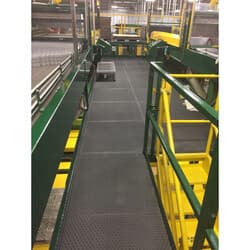
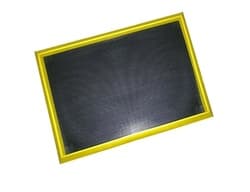
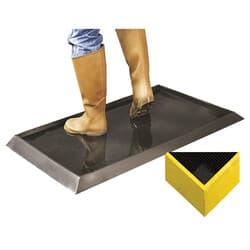
For areas where water accumulates frequently, open-grid drainage mats can help liquids flow away from the standing surface and reduce pooling. These mats are useful in wet work areas where maintaining drainage and traction is important. For workstations that require employees to stand for extended periods, consider drainage mats designed with anti-fatigue properties to combine liquid drainage with underfoot comfort.
Material selection is another important factor. Rubber drainage mats can provide flexibility, grip, and resilience in demanding environments, while certain PVC or other polymer mats may be suitable for specific commercial applications. Always check the manufacturer's specifications for chemical resistance, temperature tolerance, cleaning requirements, and compatibility with the intended environment.
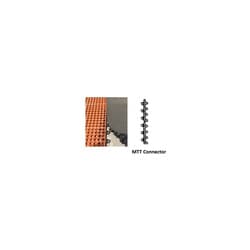
Before purchasing, measure the area where the mats will be installed and determine whether you need individual mats, interlocking sections, or a continuous coverage system. Check the mat thickness, drainage openings, surface texture, and edge design to ensure the selected product fits your workplace requirements.
Key Features to Look for in Industrial Drainage Mats
-
Drainage Design: Choose open-grid or perforated surfaces that allow water to pass through and help minimize standing liquid.
-
Slip Resistance: Look for a textured surface and appropriate grip for the expected wet conditions. No mat can eliminate every slip risk, so proper cleaning and maintenance remain essential.
-
Material: Select rubber, PVC, or another suitable material based on the work environment, expected traffic, and exposure to liquids or cleaning agents.
-
Anti-Fatigue Support: For employees who stand for extended periods, consider drainage mats designed to provide cushioning and reduce discomfort during long shifts.
-
Durability: Choose mats designed to withstand the expected foot traffic, equipment exposure, and daily operating conditions.
-
Cleaning and Maintenance: Select mats that can be lifted, cleaned, and dried according to the facility's hygiene requirements.
-
Size and Coverage: Measure the installation area and choose suitable dimensions or modular sections to provide adequate coverage.
-
Edge Design: Beveled edges can help reduce tripping risks at mat boundaries, particularly in busy walkways and workstations.
-
Environmental Compatibility: For kitchens, food processing areas, or chemical-handling environments, verify that the mat material meets the specific hygiene, temperature, and chemical-resistance requirements.
Industries That Use Industrial Drainage Mats
-
Food Processing: Support drainage in suitable wet production areas where liquids are frequently present and cleaning is part of daily operations.
-
Commercial Kitchens: Provide a more comfortable standing surface around dishwashing stations, food preparation areas, and other wet work zones.
-
Restaurants and Hospitality: Help manage water around service stations, dishwashing areas, and back-of-house workspaces.
-
Manufacturing: Provide drainage and underfoot support in industrial work areas exposed to water or other compatible liquids.
-
Automotive and Maintenance: Support suitable wet service areas, cleaning stations, and maintenance workspaces.
-
Warehousing and Distribution: Provide drainage solutions in designated wet areas where standing water may accumulate.
-
Laboratories and Cleaning Facilities: Help manage liquid drainage in appropriate work areas, subject to the mat's chemical compatibility and hygiene requirements.
-
Commercial Facilities: Provide practical matting for utility rooms, wash areas, and other locations where liquid drainage and traction are important.
Frequently Asked Questions About Industrial Drainage Mats
Q1: What are industrial drainage mats used for?
Industrial drainage mats are designed for work areas where water or other compatible liquids may accumulate. Their open-grid or perforated construction allows liquids to pass through the surface, helping reduce pooling while providing a designated standing or walking surface.
Q2: How do drainage mats help improve workplace safety?
Drainage mats can help reduce standing water on the surface where employees walk or stand. Models with suitable slip-resistant textures may also improve traction. However, proper floor drainage, regular cleaning, suitable footwear, and workplace safety procedures remain important.
Q3: Are drainage mats suitable for commercial kitchens?
Yes, certain drainage mats are designed for commercial kitchen environments, including appropriate dishwashing and food preparation work areas. Choose a product that meets the facility's hygiene requirements and can withstand the expected moisture, cleaning chemicals, and operating temperatures.
Q4: What materials are commonly used for drainage mats?
Drainage mats are commonly manufactured from materials such as rubber, PVC, and other polymers. The best option depends on the application, required flexibility, durability, drainage performance, chemical exposure, and cleaning procedures. Always review the individual product specifications before ordering.
Q5: Are drainage mats suitable for employees who stand for long periods?
Some drainage mats combine liquid drainage with cushioning or anti-fatigue properties. These can be useful in workstations where employees stand for extended periods. For these applications, check the product's thickness, support characteristics, surface stability, and suitability for wet conditions.
Q6: How do I select the correct size of drainage mat?
Measure the length and width of the intended installation area and consider how employees move around the workstation. Determine whether individual mats or interlocking sections are more suitable. Also check the mat thickness, edge design, and clearance around doors, equipment, and walkways.
Q7: How should industrial drainage mats be cleaned and maintained?
Cleaning requirements depend on the mat material and the environment in which it is used. Follow the manufacturer's instructions for removing debris, washing the mat, and allowing it to dry. In food processing and other hygiene-sensitive facilities, establish a cleaning schedule appropriate to the operating conditions.
Q8: Can drainage mats be used in industrial environments?
Yes, suitable drainage mats can be used in many industrial environments where liquids accumulate around workstations, wash areas, or maintenance operations. Before selecting a product, verify its load capacity, chemical resistance, temperature limits, slip-resistance characteristics, and compatibility with the intended application.