
 Deals Of The Day
 Top Sellers
 Top Trending
 New Arrivals
 Shop By Brands
Matting AntiFatigue Matting
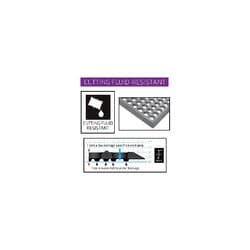
How to Choose the Right Anti-Fatigue Matting
Choosing the right anti-fatigue matting for your facility starts with understanding the work environment and the amount of time employees spend standing. Consider the type of flooring, the tasks performed at each workstation, the presence of oils or moisture, and the level of foot traffic. Selecting appropriate matting can help improve comfort during long shifts and support ergonomic workplace practices.
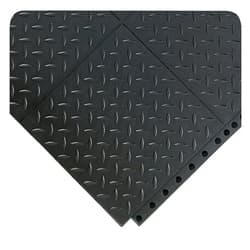
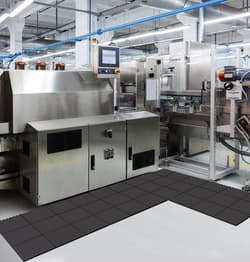
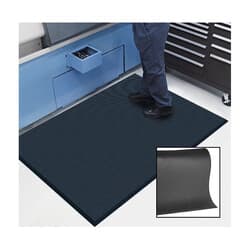
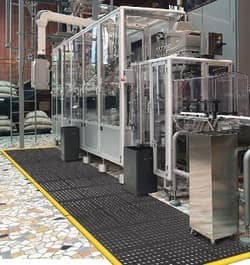
For assembly lines, packaging stations, inspection areas, and production workstations, cushioned anti-fatigue mats provide a more comfortable surface for employees who stand for extended periods. The right mat should provide suitable cushioning without compromising stability, allowing workers to move and change positions comfortably throughout their shifts.
The operating environment is another important consideration. Dry indoor workstations may benefit from general-purpose ergonomic matting, while areas exposed to water, oil, grease, or other liquids may require mats designed for those conditions. For industrial work areas, look for durable surfaces with appropriate slip resistance and edges designed to reduce tripping risks.
Before ordering, measure the length and width of the workstation and determine whether individual mats, interconnected modular mats, or larger coverage areas are required. Also consider the mat's thickness, material, cleaning requirements, and compatibility with the surrounding floor surface.
Key Features to Look for in Anti-Fatigue Mats
- Cushioning and Comfort: Choose matting designed to provide comfortable support for employees who stand for extended periods.
- Slip Resistance: Look for a suitable surface texture and traction for the working environment to help reduce slipping risks.
- Durability: Select materials designed to withstand expected foot traffic, equipment use, and workplace conditions.
- Material: Consider rubber, foam, vinyl, or other available matting materials based on the application, cleaning needs, and environmental exposure.
- Size and Coverage: Measure the workstation to ensure the mat covers the primary standing area without obstructing walkways or equipment.
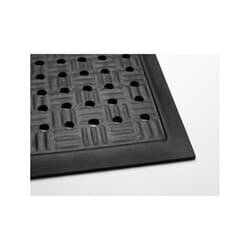
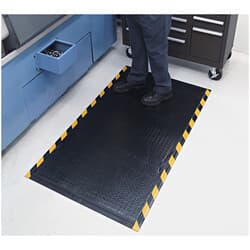
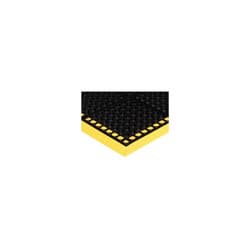
- Edge Design: Beveled edges can help reduce tripping hazards and make it easier to move carts or equipment across suitable mat edges.
- Resistance to Liquids and Chemicals: For wet or industrial environments, verify that the selected mat is compatible with the liquids, oils, or cleaning chemicals used in the facility.
- Maintenance: Choose mats that can be cleaned using practical methods suitable for your workplace's hygiene and maintenance requirements.
Industries That Use Anti-Fatigue Matting
- Manufacturing: Provide cushioned standing surfaces for assembly lines, production stations, and component inspection areas.
- Warehousing & Distribution: Improve comfort at packing stations, sorting areas, receiving desks, and order fulfillment workstations.
- Automotive: Support employees working at repair benches, parts assembly stations, and service work areas.
- Food Processing: Select appropriate matting for designated preparation and processing areas where moisture and frequent cleaning may be concerns.
- Healthcare & Laboratories: Provide ergonomic support at workstations where staff spend extended periods standing, subject to applicable hygiene requirements.
- Retail & Customer Service: Improve comfort for employees working at checkout counters, service desks, and standing workstations.
- Packaging & Assembly: Create more comfortable working surfaces for employees performing repetitive tasks at fixed-height workstations.
- Maintenance & MRO: Support technicians working at repair benches, equipment inspection stations, and maintenance areas.
Frequently Asked Questions About Anti-Fatigue Matting
Q1: What is anti-fatigue matting used for?
Anti-fatigue matting is designed to provide cushioning and support for people who stand for extended periods. It is commonly used at manufacturing stations, assembly lines, packaging areas, service counters, and other workplaces where employees spend significant time standing.
Q2: How does anti-fatigue matting help improve workplace comfort?
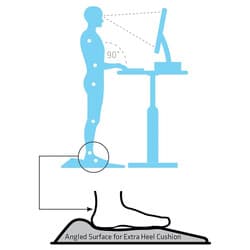
Anti-fatigue mats provide a cushioned surface that can reduce pressure on the feet and legs compared with standing directly on hard flooring. They can help improve comfort during long shifts, although results depend on the mat design, the work being performed, and individual needs.
Q3: Which material is best for industrial anti-fatigue mats?
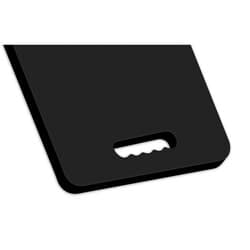
The best material depends on the workplace environment. Rubber mats may be suitable for demanding industrial areas, foam mats can provide cushioning for lighter-duty workstations, and vinyl options may suit certain commercial or general-purpose applications. Always verify resistance to oils, chemicals, moisture, and cleaning products before selecting a mat.
Q4: Are anti-fatigue mats suitable for wet work areas?
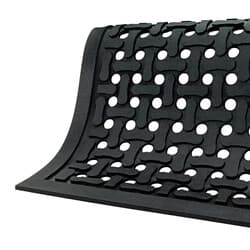
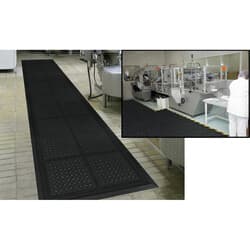
Some anti-fatigue mats are designed for wet environments and feature drainage openings or surfaces intended to improve traction. However, not every mat is suitable for wet or oily floors. Check the manufacturer's specifications for drainage, slip resistance, cleaning requirements, and compatibility with the liquids present in your facility.
Q5: How do I choose the correct size of anti-fatigue mat?
Measure the standing area where employees perform their regular tasks and select a mat that provides adequate coverage without interfering with doors, walkways, carts, or machinery. For larger workstations, consider modular matting or multiple connected sections if compatible products are available.
Q6: How should anti-fatigue mats be cleaned and maintained?
Cleaning requirements vary by material and application. Follow the manufacturer's instructions for removing dust, debris, spills, and other contaminants. Inspect mats regularly for worn surfaces, damaged edges, movement, or other conditions that could create a tripping or slipping hazard. Replace mats when they no longer provide safe and effective support.
Q7: Can anti-fatigue mats be used on assembly lines and production floors?
Yes. Anti-fatigue matting is commonly used at assembly lines, inspection stations, packaging areas, and other fixed workstations where employees stand for extended periods. Select mats based on the work process, floor conditions, expected traffic, and any requirements for resistance to oils, liquids, or industrial contaminants.