
 Deals Of The Day
 Top Sellers
 Top Trending
 New Arrivals
 Shop By Brands
Lifts / Lifting Equipment Trucks
Shop industrial lift trucks and lifting equipment at Janeice Products Co Inc, your trusted material handling supply source based in Aiken, South Carolina. Whether you need electric pallet trucks for moving heavy loads, manual lifting equipment for everyday warehouse operations, or specialized lifting and transporting solutions for industrial facilities, our catalog offers equipment designed to support material handling, improve workplace productivity, and reduce manual lifting efforts. We serve warehouses, manufacturing plants, distribution centers, maintenance departments, and industrial businesses nationwide with a wide selection of material handling equipment for demanding workplace applications.
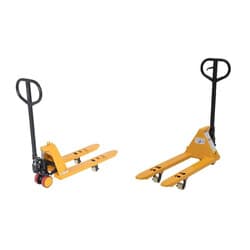
How to Choose the Right Lift Trucks and Lifting Equipment
Choosing the right lift truck or lifting equipment starts with understanding your load requirements, lifting height, transportation needs, and workplace environment. Consider the maximum weight of the materials you handle, how frequently the equipment will be used, and whether you need to lift loads vertically, transport pallets horizontally, or position materials at a convenient working height. Selecting equipment that matches your application helps improve efficiency and supports safer material handling operations.
For warehouse and distribution applications, electric pallet trucks can help transport palletized goods over short distances with less manual effort. Powered models may include electric lifting and lowering controls, adjustable travel speeds, battery-powered operation, and safety features designed for controlled movement. Janeice Products offers fully powered electric pallet trucks with capacities and configurations that vary by model.
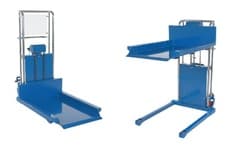
For production lines, assembly areas, and maintenance facilities, scissor lift tables can raise heavy materials to a more convenient working height. These systems can reduce repetitive bending and lifting while supporting material positioning tasks. Certain industrial scissor lift tables feature hydraulic lifting systems, heavy-duty steel construction, and optional transport accessories.
Before purchasing, review the equipment's rated capacity, lifting range, platform or fork dimensions, power source, operating controls, and required maintenance. Make sure the selected equipment is compatible with your floor conditions, available workspace, and intended operating procedures.
Key Features to Look for in Lift Trucks and Lifting Equipment
-
Load Capacity: Choose equipment with a rated capacity that safely accommodates the maximum intended load. Account for the load's weight distribution and any attachments.
-
Lifting Height and Range: Check the minimum and maximum lifting heights to ensure the equipment meets your material positioning requirements.
-
Power Source: Consider manual, hydraulic, or battery-powered equipment based on usage frequency, load requirements, and workplace conditions.
-
Fork and Platform Dimensions: Verify fork length, fork width, platform size, and overall equipment dimensions to ensure compatibility with your pallets and materials.
-
Maneuverability: Consider turning space, wheel type, aisle width, and floor conditions when selecting equipment for busy warehouses or production areas.
-
Operator Controls and Safety: Look for suitable operating controls, emergency or reverse safety features where applicable, and clear operating instructions.
-
Durability and Maintenance: Heavy-duty construction, quality hydraulic components, and accessible maintenance points can support reliable long-term operation.
-
Battery and Operating Time: For powered equipment, review battery specifications, charging requirements, and expected operating duration to match your work schedule.
Industries That Use Lift Trucks and Lifting Equipment
-
Warehousing & Distribution: Move palletized inventory, transport incoming goods, and support order fulfillment operations.
-
Manufacturing: Position raw materials, components, and finished products for assembly, processing, and packaging.
-
Logistics & 3PL: Improve the movement of goods between receiving, storage, picking, and dispatch areas.
-
Automotive: Handle components, replacement parts, equipment, and materials in manufacturing and service facilities.
-
Construction & MRO: Support material movement and lifting tasks in maintenance workshops, equipment rooms, and industrial work areas.
-
Retail & Wholesale: Move palletized merchandise, replenish inventory, and organize back-of-store operations.
-
Packaging & Production: Position materials at suitable working heights and support repetitive handling tasks along production lines.
Frequently Asked Questions About Lift Trucks and Lifting Equipment
Q1: What are lift trucks and lifting equipment used for?
Lift trucks and lifting equipment are used to raise, lower, position, and transport materials in warehouses, factories, distribution centers, and other industrial environments. The appropriate equipment depends on whether the task involves moving pallets, lifting materials to a working height, or handling specialized loads.
Q2: What is the difference between an electric pallet truck and a scissor lift table?
An electric pallet truck is primarily designed to move palletized loads across a facility, with powered models using electric controls for movement and lifting. A scissor lift table raises and lowers materials vertically to a suitable working height for assembly, loading, maintenance, or other positioning tasks. The two types of equipment serve different material handling requirements.
Q3: How do I choose the correct load capacity?
Determine the maximum weight of the materials you intend to handle and compare it with the equipment's rated capacity. Also consider load distribution, attachment weight, lifting height, and any operating restrictions specified by the manufacturer. Never exceed the rated capacity, and ensure the equipment is suitable for the specific load and task.
Q4: Are powered lift trucks suitable for warehouse operations?
Yes. Powered pallet trucks can be suitable for frequent pallet movement in warehouses, distribution centers, and manufacturing facilities. Battery-powered operation can reduce the physical effort required for moving loads. Consider aisle width, travel distance, battery runtime, charging facilities, and operator training before selecting a model.
Q5: What should I check before purchasing lifting equipment?
Review the rated load capacity, lifting height, fork or platform dimensions, power source, operating controls, wheel configuration, and maintenance requirements. You should also verify that the equipment fits your workspace and meets applicable workplace safety requirements.
Q6: Can lifting equipment help reduce workplace injuries?
Appropriately selected and operated lifting equipment can reduce the need for repetitive manual lifting, carrying, and awkward material positioning. However, equipment must be used within its rated capacity and according to manufacturer instructions, with appropriate operator training and workplace safety procedures.
Q7: Does Janeice Products offer different types of lifting equipment?
Janeice Products offers a range of material handling and lifting solutions, including powered pallet trucks and industrial scissor lift tables. Product specifications, capacities, available options, and configurations vary by model. Review individual product listings or contact the Janeice Products team for help identifying equipment that meets your application requirements.