
 Deals Of The Day
 Top Sellers
 Top Trending
 New Arrivals
 Shop By Brands
Lifts / Lifting Equipment Slings



How to Choose the Right Industrial Lifting Slings
Choosing the right industrial lifting sling starts with understanding the weight, shape, and lifting requirements of the load. Consider the load's weight, center of gravity, lifting points, and the number of sling legs required. You should also evaluate how frequently the sling will be used and whether it will come into contact with sharp edges, abrasive surfaces, chemicals, moisture, or elevated temperatures.
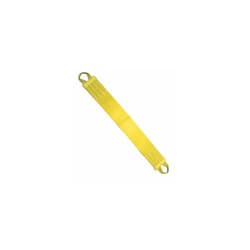
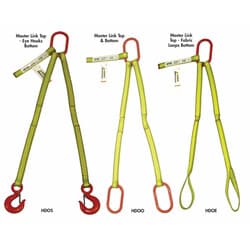
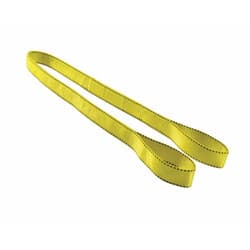
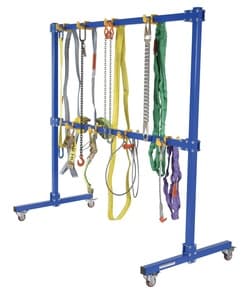
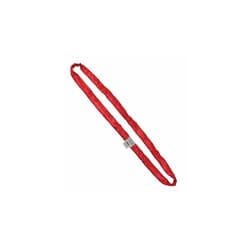
Web slings are commonly used for general lifting applications where a flexible sling can help protect finished or delicate surfaces. Round slings offer flexibility and can accommodate different load shapes and lifting configurations. Wire rope slings are often selected for demanding industrial environments requiring durable lifting equipment, while chain slings can be suitable for heavy-duty applications when the chain grade and configuration match the load and operating conditions.
The lifting method is equally important. Vertical, choker, and basket hitches distribute forces differently and can affect the sling's rated working load limit. Always verify the manufacturer's rated capacity for the exact sling configuration being used. Never assume that a sling's vertical rating applies to every hitch arrangement.
Before purchasing a lifting sling, inspect the product specifications for length, material, rated capacity, attachment hardware, and compatibility with the lifting equipment. Select a sling that meets the requirements of the application and applicable safety standards. Slings must be inspected before use and removed from service if damaged, excessively worn, or otherwise unsafe.
Key Features to Look for in Industrial Lifting Slings
-
Working Load Limit: Choose a sling with a rated capacity appropriate for the load and the intended hitch configuration. Never exceed the manufacturer's rated limits.
-
Sling Material: Select synthetic webbing, round slings, wire rope, or alloy chain based on the load, environment, and lifting requirements.
-
Sling Length: Verify the length required to reach the lifting points while maintaining a safe lifting angle and suitable clearance.
-
Lifting Configuration: Determine whether a vertical, choker, basket, or multi-leg arrangement is appropriate for the load and the sling's rated capacity.
-
Attachment Hardware: Check hooks, shackles, master links, and other fittings for compatibility with the sling and lifting equipment.
-
Abrasion and Edge Protection: Use suitable protective sleeves or edge protection when slings may contact sharp or abrasive surfaces.
-
Environmental Compatibility: Consider moisture, chemicals, heat, outdoor exposure, and other conditions that may affect sling performance.
-
Inspection and Identification: Ensure the sling has legible identification and capacity information, and follow the manufacturer's inspection and replacement requirements.
Industries That Use Industrial Lifting Slings
-
Manufacturing: Lift machinery components, fabricated parts, metal assemblies, and production materials.
-
Construction: Handle structural materials, building components, equipment, and construction supplies at job sites.
-
Warehousing & Distribution: Move heavy products, industrial equipment, and materials during loading, unloading, and staging.
-
Shipping & Logistics: Secure suitable lifting arrangements for handling cargo and bulky materials during transport operations.
-
Automotive: Lift engines, machinery components, assemblies, and heavy replacement parts using appropriately rated equipment.
-
Metalworking & Fabrication: Handle steel sections, fabricated structures, plates, and other industrial materials.
-
Maintenance & MRO: Support equipment installation, machinery removal, component replacement, and industrial maintenance operations.
-
Utilities & Industrial Facilities: Assist with lifting equipment, pipes, and other materials where approved lifting procedures and suitable slings are required.
Frequently Asked Questions About Industrial Lifting Slings
Q1: What are industrial lifting slings used for?
Industrial lifting slings connect a load to a crane, hoist, or other compatible lifting device. They are used to lift, position, and move machinery, construction materials, industrial components, and other heavy objects. The appropriate sling depends on the load, lifting method, working environment, and required capacity.
Q2: What are the different types of lifting slings?
Common types include synthetic web slings, synthetic round slings, wire rope slings, and alloy chain slings. Web and round slings are frequently used for flexible load handling, wire rope slings are suited to many demanding industrial applications, and chain slings can be appropriate for heavy-duty lifting. Each type has specific capacity limits, inspection requirements, and environmental limitations.
Q3: How do I determine the correct lifting sling capacity?
Start with the total load weight, its center of gravity, the number of sling legs carrying the load, the lifting angle, and the hitch configuration. Check the manufacturer's working load limit for the exact sling and configuration. Do not estimate capacity from appearance or assume that adding sling legs automatically increases the safe lifting capacity.
Q4: What is the difference between a web sling and a chain sling?
A web sling is made from synthetic webbing and is often useful when flexibility and surface protection are important. A chain sling is made from metal chain and can be suitable for certain demanding industrial environments. The best choice depends on the load, operating conditions, required capacity, and manufacturer specifications.
Q5: Can lifting slings be used with cranes and hoists?
Yes. Lifting slings are commonly used with compatible cranes, hoists, and other approved lifting equipment. The sling, hooks, connectors, and lifting device must all be compatible and adequately rated for the intended operation. Always follow the equipment manufacturer's instructions and applicable lifting safety requirements.
Q6: How often should industrial lifting slings be inspected?
Inspect slings before each use and as required by the applicable regulations, manufacturer instructions, and workplace procedures. Qualified personnel should perform additional periodic inspections at intervals appropriate to the sling type, service conditions, and frequency of use. Remove damaged slings from service immediately and do not use them until they have been appropriately evaluated or replaced.
Q7: What should I check before ordering lifting slings?
Verify the load weight, working load limit, sling material, length, hitch configuration, lifting points, attachment hardware, and environmental conditions. Also confirm that the sling is appropriate for the intended application and complies with relevant safety requirements. For specialized or heavy-duty lifting operations, consult a qualified lifting professional before selecting equipment.