
 Deals Of The Day
 Top Sellers
 Top Trending
 New Arrivals
 Shop By Brands
Lifts / Lifting Equipment Magnetic Lifts
Shop industrial magnetic lifts and magnetic lifting equipment at Janeice Products Co Inc, your trusted material handling supply source based in Aiken, South Carolina. Whether you need to lift steel plates, handle metal sheets, move iron components, or improve material handling operations in manufacturing facilities and workshops, our catalog offers magnetic lifting solutions for industrial applications. Magnetic lifting equipment provides an efficient way to handle compatible ferrous materials without relying on conventional mechanical gripping methods. Explore magnetic lifting solutions designed to support material handling, fabrication, warehousing, and industrial production operations.
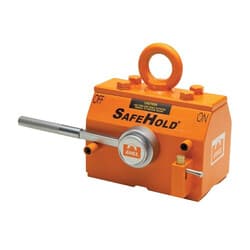
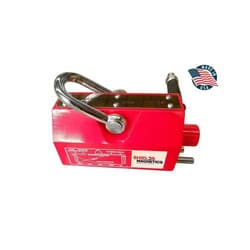
How to Choose the Right Magnetic Lifting Equipment
Choosing the right magnetic lifting equipment starts with understanding the type, weight, dimensions, and surface condition of the metal materials you need to handle. Consider whether you will be lifting flat steel plates, sheet metal, steel blocks, or other ferrous components. The lifting capacity of the equipment must be appropriate for the load, and the manufacturer's rated capacity should always be followed.
Magnetic lifters are commonly used in manufacturing, metal fabrication, steel processing, machine shops, and material handling operations. They can help move compatible ferrous materials without requiring chains, slings, or mechanical clamps around every individual item. This can improve handling efficiency and provide better access to materials during lifting and positioning operations.
When selecting a magnetic lifter, pay close attention to the material's thickness, surface flatness, and contact area. The actual holding force can be affected by air gaps, surface roughness, coatings, rust, scale, and the type of metal being lifted. Thin sheets and irregularly shaped materials may require special consideration because their effective holding capacity can be significantly lower than the equipment's rated capacity.
Before purchasing, review the manufacturer's specifications and operating instructions to confirm that the magnetic lifting equipment is suitable for your application. Proper operator training, load testing where required, and compliance with applicable workplace lifting regulations are essential for safe operation.
Key Features to Look for in Magnetic Lifts
-
Rated Lifting Capacity: Select equipment with a rated capacity suitable for the load being handled. Never exceed the manufacturer's specified working load limit.
-
Material Compatibility: Magnetic lifters are intended for compatible ferromagnetic materials, such as many types of carbon steel and iron. They are generally unsuitable for aluminum, copper, and many grades of stainless steel.
-
Material Thickness: Verify the minimum material thickness required for the lifter to achieve its specified holding performance. Thin metal sheets may not be suitable for every model.
-
Surface Condition: Check the material for rust, scale, dirt, coatings, uneven surfaces, or gaps that could reduce magnetic contact and holding force.
-
Magnet Type: Compare permanent magnetic lifters and other available magnetic lifting systems according to the application, operating requirements, and manufacturer specifications.
-
Handling Requirements: Consider the size, shape, orientation, and frequency of the loads being lifted to select appropriate equipment for your workflow.
-
Safety Features: Look for manufacturer-specified locking mechanisms, operating handles, indicators, or other safety features appropriate to the selected model.
-
Operating Environment: Consider the working temperature, moisture, exposure conditions, and any other environmental restrictions specified by the manufacturer.
Industries That Use Magnetic Lifting Equipment
-
Metal Fabrication: Lift and position steel plates, sheet metal, and compatible metal components during cutting, welding, and fabrication operations.
-
Steel Manufacturing: Handle ferrous metal materials during production, processing, and internal material transfers.
-
Warehousing and Distribution: Move compatible steel products and metal stock between storage areas, staging locations, and loading operations.
-
Automotive Manufacturing: Handle suitable steel components and metal parts during production and assembly processes.
-
Machine Shops: Position steel workpieces for machining, inspection, and other manufacturing operations.
-
Construction and Structural Steel: Handle compatible steel plates, beams, and fabricated components where the lifting equipment is appropriately rated.
-
Maintenance and Repair Operations: Move suitable ferrous components and equipment parts during industrial maintenance and workshop activities.
Frequently Asked Questions About Magnetic Lifts
Q1: What is a magnetic lifter used for?
A magnetic lifter is used to lift and move compatible ferromagnetic materials, including many steel plates, metal sheets, blocks, and industrial components. It provides a magnetic holding force that can reduce the need for conventional gripping arrangements in suitable applications.
Q2: What materials can magnetic lifting equipment handle?
Magnetic lifters are generally designed for ferromagnetic materials, including many carbon steels and iron products. They do not normally work with nonmagnetic materials such as aluminum and copper. Some stainless steel grades are also nonmagnetic or only weakly magnetic, so material compatibility must be confirmed before use.
Q3: How do I determine the required lifting capacity?
Determine the maximum weight of the load and compare it with the manufacturer's rated capacity under the actual lifting conditions. Consider material thickness, contact area, surface condition, shape, and orientation. Do not assume that a lifter can handle its full rated capacity on every steel plate or workpiece.
Q4: Can magnetic lifters be used to lift thin steel sheets?
Some magnetic lifting systems may be suitable for thin steel sheets, but the minimum material thickness and required contact conditions vary by model. Thin sheets can have reduced holding force and may bend or peel away from the magnetic surface. Always verify the manufacturer's specifications for the exact material and application.
Q5: What is the difference between permanent magnetic lifters and electromagnetic lifters?
Permanent magnetic lifters use permanent magnets to generate holding force and typically do not require a continuous electrical power supply to maintain magnetism. Electromagnetic lifting systems use electrical power to generate a magnetic field and may require dedicated power and control arrangements. The appropriate choice depends on the load, operating environment, lifting frequency, and manufacturer's design.
Q6: What safety precautions should be followed when using magnetic lifters?
Inspect the equipment before use, verify the load's weight and material compatibility, ensure adequate contact with the lifting surface, and follow the manufacturer's operating instructions. Keep personnel clear of suspended loads, never exceed the rated capacity, and never allow anyone to stand beneath a lifted load. Follow applicable workplace safety requirements and any specified inspection and testing procedures.
Q7: How do I choose the right magnetic lift for my facility?
Start by identifying the materials you handle, maximum load weight, minimum material thickness, workpiece dimensions, surface conditions, lifting orientation, and frequency of use. Compare these requirements with the manufacturer's specifications and safety limitations. For specialized or heavy-duty applications, request product guidance to confirm the appropriate equipment for your lifting needs.