
 Deals Of The Day
 Top Sellers
 Top Trending
 New Arrivals
 Shop By Brands
Lifts / Lifting Equipment Lifters/Stackers
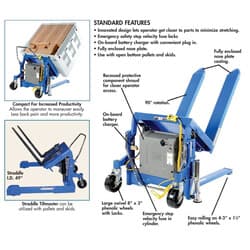
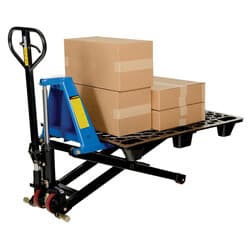
Shop industrial lifters and stackers at Janeice Products Co Inc, your trusted material handling supply source based in Aiken, South Carolina. Whether you need manual pallet stackers, battery-powered stackers, electric self-propelled stackers, or lifting equipment for positioning materials and handling pallets, our catalog offers professional-grade solutions for warehouses, manufacturing facilities, distribution centers, and industrial workspaces. Designed to support efficient material handling, our lifters and stackers help businesses lift, position, transport, and stack loads while improving workplace productivity and reducing manual handling effort.

How to Choose the Right Industrial Lifters and Stackers
Choosing the right industrial lifter or stacker starts with understanding the weight, dimensions, and lifting requirements of the materials you handle. Consider the maximum load capacity, required lifting height, available operating space, and frequency of use. Manual stackers may be suitable for lighter-duty or occasional lifting tasks, while battery-powered and electric stackers can help improve efficiency in facilities that handle pallets and materials throughout the day.
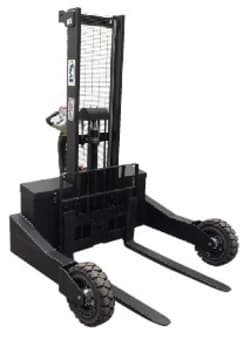
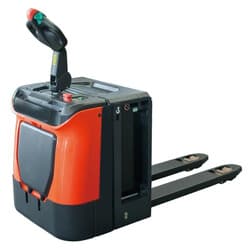
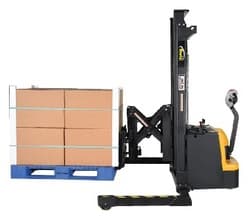
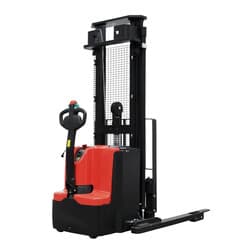
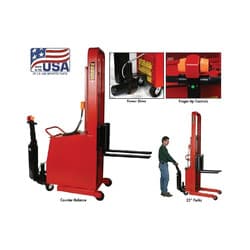
For warehouse and distribution operations, pallet stackers are useful for lifting, positioning, and stacking palletized goods. Battery-powered stackers can support loading and unloading operations, moving materials to workstations, and positioning loads at different heights. Janeice Products offers electric self-propelled stackers with different load capacities, fork configurations, and lifting heights for a variety of material handling applications. Always check the specifications of the selected model to ensure it meets your requirements.
The available workspace is another important consideration. Measure aisle widths, doorway clearances, turning areas, and the height of racks or storage locations before selecting equipment. Check fork length and width, overall equipment dimensions, mast height, and pallet compatibility to ensure the stacker can operate safely in your facility.
Safety and operator requirements should also be considered. Review the manufacturer's rated load capacity, operating instructions, braking and steering features, and any required training. Never exceed the equipment's rated capacity, and ensure loads are properly balanced and secured before lifting or moving them.
Key Features to Look for in Industrial Lifters and Stackers
-
Load Capacity: Select equipment rated to handle the maximum weight of your typical loads. Consider the load center and any capacity reductions at greater lifting heights.
-
Lifting Height: Choose a model that reaches your required shelf, rack, or workstation height. Check both maximum lift height and overall mast height.
-
Power Source: Manual models may suit occasional lifting, while battery-powered and electric stackers can help reduce operator effort during frequent material handling tasks.
-
Fork Dimensions: Verify fork length, width, spacing, and adjustment options to ensure compatibility with your pallets and materials.
-
Maneuverability: Consider overall width, turning space, wheel type, and aisle dimensions, particularly in compact warehouses and production areas.
-
Safety Features: Look for appropriate braking, load-handling controls, safety screens, and other manufacturer-specified safety features.
-
Battery and Charging: For powered stackers, review battery capacity, charging requirements, operating time, and whether the model supports charging during breaks or between shifts.
-
Construction and Durability: Select equipment designed for your operating environment and expected workload, with suitable frame construction and components for regular industrial use.
Industries That Use Industrial Lifters and Stackers
-
Warehousing & Distribution: Lift and stack palletized inventory, organize storage locations, and support order fulfillment operations.
-
Manufacturing: Position raw materials, components, and finished goods near production lines and assembly workstations.
-
Logistics & 3PL: Support pallet handling, staging, loading, unloading, and movement of goods within distribution facilities.
-
Retail & Wholesale: Move stock, replenish storage areas, and organize bulk inventory in backrooms and warehouses.
-
Automotive: Handle components, parts containers, and production materials in manufacturing plants and service facilities.
-
Packaging & Shipping: Position pallets, stage outgoing shipments, and move materials between packing and dispatch areas.
-
Maintenance & Industrial Operations: Lift and position suitable equipment, materials, and components for maintenance and production activities.
Frequently Asked Questions About Industrial Lifters and Stackers
Q1: What are industrial lifters and stackers used for?
Industrial lifters and stackers are material handling equipment used to raise, lower, position, and stack loads. They are commonly used in warehouses, manufacturing facilities, and distribution centers to handle pallets, move materials between work areas, and place goods at different storage heights.
Q2: What is the difference between a manual stacker and an electric stacker?
A manual stacker typically relies on manual or hydraulic operation for lifting, depending on the model. An electric stacker uses powered lifting and may also provide powered travel. Electric models can reduce operator effort and improve efficiency for frequent material handling tasks. The right option depends on load weight, usage frequency, lifting height, and budget.
Q3: How do I determine the correct load capacity for a stacker?
Start by identifying the maximum weight of the loads you intend to lift. Then check the equipment's rated capacity at the required load center and lifting height. Capacity can vary depending on the load position and lift height, so always consult the manufacturer's load chart and never exceed the specified rating.
Q4: What lifting height should I choose for my warehouse?
Measure the height of the highest shelf or rack position where materials need to be placed. Also account for pallet height, load dimensions, overhead clearance, and the equipment's overall mast height. Choose a stacker that meets your lifting requirements while fitting safely within your building and storage layout.
Q5: Are battery-powered stackers suitable for warehouse operations?
Yes. Battery-powered stackers can be suitable for warehouses that regularly lift and position pallets, move materials to workstations, and handle inventory throughout the day. Models differ in capacity, lifting height, travel configuration, and battery specifications, so select equipment based on your workload and operating environment.
Q6: Can industrial stackers be used in narrow aisles?
Some compact stackers are designed for operation in space-constrained environments. However, suitability depends on the equipment's overall width, turning radius, fork configuration, load dimensions, and required operating clearance. Measure your aisles and verify the manufacturer's operating requirements before purchasing.
Q7: What safety precautions should I follow when operating a lifter or stacker?
Always inspect the equipment before use, confirm the load is within the rated capacity, position loads securely, and keep the travel path clear. Operators should receive appropriate training and follow the manufacturer's instructions. Never allow people beneath raised loads or use equipment on unsuitable surfaces or beyond its specified operating limits.
Q8: How can I choose the right industrial lifter or stacker for my business?
Compare load capacity, lifting height, power source, fork dimensions, maneuverability, operating frequency, and maintenance requirements. Also consider your facility's aisle dimensions, pallet types, and charging arrangements for powered models. Review the specifications of individual products and contact Janeice Products for assistance identifying suitable equipment for your application.