
 Deals Of The Day
 Top Sellers
 Top Trending
 New Arrivals
 Shop By Brands
Lifts / Lifting Equipment Cranes
Shop industrial cranes and lifting equipment at Janeice Products Co Inc, your trusted material handling supply source based in Aiken, South Carolina. Whether you need bridge cranes for overhead material handling, gantry cranes for flexible lifting applications, jib cranes for workstation operations, or adjustable crane systems for specialized lifting requirements, our catalog offers solutions for a wide range of industrial environments. We serve manufacturing facilities, warehouses, distribution centers, maintenance departments, and production operations nationwide with professional-grade material handling equipment to help improve lifting efficiency, workplace productivity, and material movement.


How to Choose the Right Industrial Crane
Choosing the right industrial crane for your facility starts with understanding the weight of the loads you need to lift, the required lifting height, the movement path, and the available workspace. Consider how frequently the crane will be used, whether materials need to move horizontally across a production area, and whether the equipment will be installed indoors or outdoors. Selecting a crane that matches your lifting requirements helps improve workflow efficiency and supports safe material handling operations.
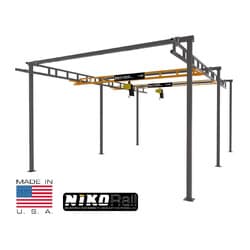
For facilities that need to move heavy materials across a defined production area, bridge cranes can provide overhead lifting and horizontal transportation along a runway system. Gantry cranes are suitable for applications that require a freestanding structure, while jib cranes are commonly used for localized lifting around individual workstations, assembly areas, and maintenance bays. Workstation crane systems can also provide overhead material handling where space is limited or conventional crane installations are impractical. Janeice Products offers crane categories including bridge, fixed, floor, gantry, jib, and adjustable cranes.
Before selecting a crane, verify the rated lifting capacity, span, runway length, available headroom, trolley travel, and hoist compatibility. For example, certain workstation crane systems offer modular construction, allowing components to be added, removed, or relocated as facility requirements change. Always confirm the equipment specifications and installation requirements with the manufacturer or a qualified crane specialist before purchasing.
Key Features to Look for in Industrial Cranes
-
Lifting Capacity: Choose a crane with a rated capacity suitable for the heaviest load you intend to lift, including any lifting attachments used with the load.
-
Crane Type: Select bridge, gantry, jib, floor, or adjustable cranes according to your workspace, lifting path, and operational requirements.
-
Lifting Height: Check the required hook height and available headroom to ensure the crane can safely lift and position materials.
-
Span and Travel Distance: Confirm the crane span, runway length, and trolley travel required to cover your work area.
-
Hoist and Trolley Compatibility: Verify that the selected hoist and trolley are compatible with the crane structure and its rated capacity.
-
Construction and Durability: Look for robust construction and components suited to your operating environment and expected usage frequency.
-
Installation Requirements: Evaluate floor strength, supporting structures, runway requirements, electrical supply, and installation clearances before selecting equipment.
-
Safety Features: Confirm that the equipment includes appropriate operating controls, brakes, overload protection where applicable, and other safety features required for your application.
Industries That Use Industrial Cranes
-
Manufacturing: Lift raw materials, machine components, production assemblies, and heavy equipment between workstations.
-
Warehousing and Distribution: Move heavy goods, machinery, and palletized materials in designated lifting and handling areas.
-
Automotive: Support vehicle component handling, engine assembly, maintenance operations, and production line material movement.
-
Construction: Lift building materials, structural components, and equipment where the selected crane is suitable for the site and application.
-
Metalworking and Fabrication: Handle steel plates, fabricated assemblies, metal components, and heavy workpieces during manufacturing.
-
Maintenance and MRO: Position motors, pumps, replacement components, and machinery during servicing and repair work.
-
Industrial Assembly: Move heavy components into position for installation, assembly, and equipment integration.
Frequently Asked Questions About Industrial Cranes
Q1: What are industrial cranes used for?
Industrial cranes are used to lift, lower, and move heavy materials or equipment within industrial facilities. They support material handling operations in manufacturing plants, warehouses, fabrication shops, maintenance departments, and other workplaces where manual handling is impractical.
Q2: What is the difference between bridge cranes, gantry cranes, and jib cranes?
Bridge cranes travel along elevated runway systems and are suitable for moving loads across defined work areas. Gantry cranes use a supporting frame with legs and are often selected for applications requiring a freestanding crane structure. Jib cranes use a projecting arm or boom to move loads within a localized work area, such as a workstation or maintenance bay. The appropriate choice depends on load capacity, available space, installation requirements, and the required movement path.
Q3: How do I determine the correct crane lifting capacity?
Start by identifying the maximum load weight, including lifting attachments and any other suspended equipment. Then review the crane's rated capacity, hoist capacity, trolley capacity, and applicable load limits. Do not exceed the rated capacity of any component in the lifting system. Consult a qualified crane specialist when loads, operating conditions, or lifting arrangements are complex.
Q4: Can industrial cranes be customized for different workspaces?
Some crane systems offer different spans, runway lengths, lifting capacities, and configuration options. Certain modular workstation crane systems can also be extended, disassembled, or relocated, depending on the model. Review the manufacturer's available configurations and confirm that the proposed design meets your facility's structural and operational requirements.
Q5: What should I consider before installing an industrial crane?
Evaluate the load requirements, lifting height, workspace dimensions, floor and building structure, runway or support requirements, electrical supply, operator access, and maintenance clearances. Installation should be completed and inspected by qualified professionals in accordance with applicable regulations, manufacturer instructions, and site-specific safety requirements.
Q6: How often should industrial cranes be inspected and maintained?
Inspection and maintenance frequency depends on the crane type, usage, operating environment, and applicable regulations. Establish a documented inspection and preventive maintenance program based on manufacturer instructions and relevant safety requirements. Remove equipment from service if a defect or unsafe condition is identified until it has been assessed and addressed by qualified personnel.
Q7: How can I select the right crane for my facility?
Compare crane types, lifting capacity, span, travel distance, lifting height, installation requirements, and operating frequency. Identify the materials you need to move and the areas the crane must cover. You can then review the available crane options in the Janeice Products catalog or contact the team for assistance identifying suitable equipment for your application.