
 Deals Of The Day
 Top Sellers
 Top Trending
 New Arrivals
 Shop By Brands
Lifts / Lifting Equipment Counterbalance
How to Choose the Right Counterbalance Lift
Choosing the right counterbalance lift starts with understanding the weight, dimensions, and shape of the materials you need to handle. Consider the maximum load capacity, required lifting height, available operating space, and how frequently the equipment will be used. Selecting equipment that matches your application helps improve productivity while maintaining safe and controlled material handling operations.
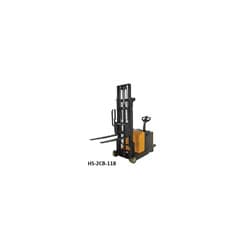
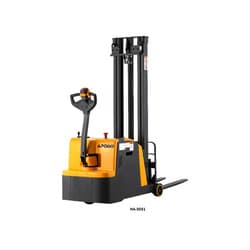
A counterbalanced lift truck is designed to balance its load through a counterweight or counterbalanced frame configuration, depending on the equipment design. This arrangement can provide lifting stability without requiring the same type of supporting legs used on some straddle-style lifting equipment. Compact counterbalanced lift trucks can be useful for moving materials to and from shelves, positioning equipment, and handling loads in work areas where maneuverability is important. Always confirm the individual product's design and operating requirements before selecting a model.
Lifting height and load capacity are equally important. A lift that can handle a particular weight at floor level may have a different rated capacity when the load is raised or positioned farther from the lifting mechanism. Review the manufacturer's load-capacity information, load center, fork dimensions, and maximum lift height to ensure the equipment is suitable for your application.
Before purchasing, check the equipment's overall dimensions, wheel configuration, power source, operating controls, and floor requirements. Consider the width of aisles and doorways, the condition of the operating surface, and whether the lift will be used for loading, unloading, production support, or storage operations.
Key Features to Look for in Counterbalance Lifts
- Load Capacity: Select lifting equipment rated for the maximum weight of your intended loads. Always follow the manufacturer's capacity limits and load-center specifications.
- Lifting Height: Check the maximum raised height and the clearance required when the lifting mechanism is lowered or extended.
- Counterbalanced Design: Choose a suitable counterbalanced configuration when your application requires load handling without conventional straddle legs in the working area.
- Fork Dimensions: Verify fork length, width, spacing, and compatibility with the pallets or materials you intend to lift.
- Maneuverability: Consider the equipment's overall dimensions, turning requirements, and wheel configuration when working in narrow aisles or confined spaces.
- Power and Operation: Depending on the model, consider manual, hand-winch, hydraulic, or battery-powered operation based on lifting frequency and workload.
- Safety Features: Look for appropriate brakes, load-holding mechanisms, secure operating controls, and other manufacturer-specified safety features.
- Construction and Durability: Industrial steel construction and robust lifting components can support regular use in demanding warehouse, workshop, and manufacturing environments.
Industries That Use Counterbalance Lifts and Lifting Equipment
- Manufacturing: Position components, move materials between workstations, and support assembly-line and production operations.
- Warehousing & Distribution: Handle inventory, move materials to and from storage locations, and support loading and unloading activities.
- Automotive: Position parts, handle components, and support maintenance and production workflows.
- Construction & MRO: Move equipment, tools, and industrial supplies within workshops, maintenance facilities, and suitable job-site environments.
- Packaging & Processing: Position materials and supplies for production, packing, and material transfer operations.
- Retail & Commercial Facilities: Move equipment, supplies, and packaged goods in back-of-house storage areas and stockrooms.
- Industrial Maintenance: Lift and position machinery components, replacement parts, and maintenance materials when the equipment is rated for the application.
Frequently Asked Questions About Counterbalance Lifts
Q1: What is a counterbalance lift used for?
Counterbalance lifts are used to raise, lower, and position materials in industrial, warehouse, manufacturing, and maintenance environments. Depending on the model, they can support applications such as moving materials to shelves, positioning components, and handling equipment in work areas where a compact lifting solution is needed.
Q2: How do I determine the correct capacity for a counterbalance lift?
Start by identifying the maximum weight of the load, including any attachments or accessories. Then check the manufacturer's rated capacity at the required lifting height and load center. Do not select equipment based solely on its maximum advertised capacity, as allowable capacity can vary with load position and operating conditions.
Q3: What is the difference between a counterbalance lift and a straddle lift?
A counterbalance lift uses a counterbalanced design to help offset the load, while a straddle lift uses legs that extend around the load or pallet to provide support. The appropriate choice depends on pallet dimensions, aisle space, floor conditions, load requirements, and the equipment's intended use.
Q4: Can counterbalance lifting equipment be used in narrow workspaces?
Some compact counterbalanced lift trucks are designed for maneuverability in confined areas. However, suitability depends on the equipment's overall dimensions, turning radius, load size, and required operating clearance. Measure your aisles, doorways, and work areas before selecting a model.
Q5: What lifting height should I choose?
Choose a lifting height that allows you to reach the highest shelf, workstation, or loading position required for your operation. Also consider the equipment's lowered height, overhead clearance, mast dimensions, and rated capacity at the intended lifting height.
Q6: What safety precautions should I follow when using a counterbalance lift?
Inspect the equipment before use, verify the load weight, keep the load properly positioned, and follow the manufacturer's operating instructions. Never exceed rated capacity, operate on unsuitable surfaces, or allow people beneath raised loads. Operators should receive the training required for the specific equipment and workplace.
Q7: Where can I purchase counterbalance lifts and lifting equipment?
Janeice Products Co Inc offers industrial and material handling equipment for businesses across the United States. Browse the available products in our counterbalance lifts category to compare specifications and identify a suitable option. For assistance with product selection, bulk requirements, or a specialized application, contact the Janeice Products team at +1 803-652-3025 or submit a request through the website.