
 Deals Of The Day
 Top Sellers
 Top Trending
 New Arrivals
 Shop By Brands
Ladders Aluminum
Shop industrial aluminum ladders at Janeice Products Co Inc, your trusted material handling supply source based in Aiken, South Carolina. Whether you need lightweight step ladders for routine maintenance, extension ladders for elevated access, platform ladders for warehouse operations, or rolling ladders for order picking and inventory management, our catalog offers practical access solutions for industrial and commercial environments. Designed for a range of workplace applications, aluminum ladders provide a combination of strength, portability, and corrosion resistance. Explore ladder options for warehouses, manufacturing facilities, maintenance departments, distribution centers, and other professional workspaces across the United States.


How to Choose the Right Aluminum Ladder
Choosing the right aluminum ladder for your workplace starts with identifying the required working height, frequency of use, and type of task. Consider whether employees need to reach elevated shelves, perform routine maintenance, access loading areas, or pick inventory from warehouse racks. Step ladders are useful for tasks that require a self-supporting ladder, while extension ladders are intended for applications where a suitable supporting surface is available. Platform and rolling ladders can provide a practical solution for frequent access to elevated work areas in warehouses and industrial facilities.
One of the main advantages of aluminum ladders is their relatively lightweight construction, which makes many models easier to transport and reposition than comparable steel ladders. Aluminum also offers good corrosion resistance in many environments. However, aluminum conducts electricity, so aluminum ladders should not be used near exposed electrical hazards. For electrical work, select an appropriate nonconductive ladder and follow applicable workplace safety requirements.
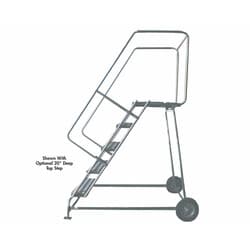
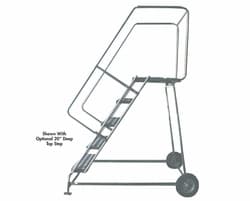
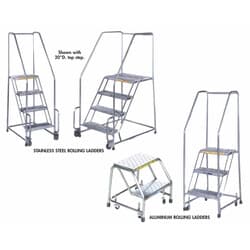
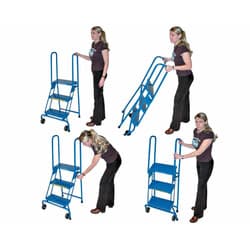
For warehouses and distribution centers, rolling ladders can help employees access elevated inventory locations. Some models feature large wheels, handrails, and specialized steps designed for industrial environments. Janeice Products also offers wheelbarrow-style rolling ladders and folding ladder options for applications where portability and space-efficient storage are important. See the individual product specifications to confirm the configuration, dimensions, and load capacity.
Before purchasing, verify the ladder's maximum load rating, working height, step configuration, base dimensions, and safety features. Consider the available floor space and whether the ladder needs to fold for storage or move between workstations. Always select a ladder suitable for the intended task and follow the manufacturer's instructions for setup, inspection, and use.
Key Features to Look for in Aluminum Ladders
-
Material and Construction: Aluminum construction offers a practical balance of strength, weight, and corrosion resistance for many industrial and commercial applications.
-
Working Height: Select a ladder that provides the necessary reach for the intended task. Check the platform height or ladder length rather than relying on an estimated maximum reach.
-
Load Capacity: Confirm that the ladder's rated capacity accommodates the combined weight of the user, tools, and materials. Follow the manufacturer's load-rating instructions.
-
Step and Platform Design: Choose suitable step widths, platform dimensions, and tread surfaces for the task and working environment.
-
Handrails and Guardrails: Where provided or required, handrails and guardrails can help support safer access and reduce the risk of falls.
-
Mobility: Rolling ladders with wheels can help workers reposition access equipment around warehouses, stockrooms, and production facilities. Use wheel locks or other securing mechanisms as directed by the manufacturer.
-
Folding and Storage: Folding ladder models can help save space when equipment is not in use. Check the folded dimensions and storage requirements before ordering.
-
Stability and Safety: Look for a stable base, suitable footing, and a design appropriate for the intended surface. Inspect ladders before use and follow all applicable safety requirements.
Industries That Use Aluminum Ladders
-
Warehousing & Distribution: Access elevated inventory, warehouse shelving, picking areas, and storage locations.
-
Manufacturing: Support routine inspections, equipment servicing, and maintenance tasks in production facilities.
-
Retail & Inventory Management: Reach upper shelves, organize stockrooms, and replenish products in commercial storage areas.
-
Construction & Facility Maintenance: Perform suitable access tasks, inspections, repairs, and general maintenance.
-
Automotive & Workshops: Access elevated equipment, service areas, tools, and parts storage where an aluminum ladder is appropriate.
-
Shipping & Logistics: Support access around suitable loading, packing, and inventory work areas.
-
Commercial Facilities: Assist with building maintenance, lighting inspections, and other elevated tasks when the ladder is suitable for the environment.
Frequently Asked Questions About Aluminum Ladders
Q1: What are aluminum ladders used for?
Aluminum ladders are used to access elevated work areas in warehouses, workshops, commercial facilities, and industrial environments. Depending on the model, they can support inventory picking, maintenance, inspections, and general access tasks. Always select a ladder designed for the specific application.
Q2: What are the advantages of aluminum ladders?
Aluminum ladders are generally lightweight compared with many steel alternatives, making them easier to carry and reposition. They also offer good corrosion resistance in many environments. However, aluminum is electrically conductive, so these ladders are not appropriate for work near exposed electrical hazards.
Q3: What is the difference between a step ladder and a rolling ladder?
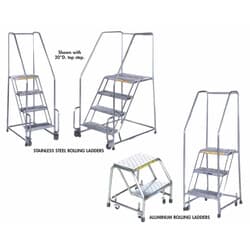
A step ladder is typically a self-supporting ladder used for general access and maintenance tasks. A rolling ladder is designed to move between work locations and is commonly used in warehouses, stockrooms, and industrial facilities. Industrial rolling ladders may include handrails, larger wheels, and specialized step configurations. The correct choice depends on the task, required height, and working environment.
Q4: Are aluminum ladders available in folding designs?
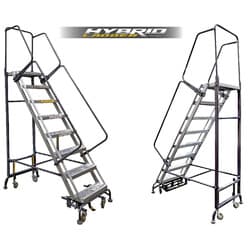
Yes. Janeice Products lists folding aluminum ladder options, including folding hybrid ladders and steel-and-aluminum folding ladder models. Folding designs can help reduce storage space and make equipment easier to transport. Check each product's specifications for its folded dimensions, weight, and intended application.
Q5: How do I choose the correct ladder height?
Determine the height of the work area and the access method required. For step ladders, consider the platform or top-step height and the manufacturer's permitted standing level. For extension ladders, consider the ladder's length, setup angle, and required access height. Never stand on a prohibited step or exceed the manufacturer's recommended reach.
Q6: What load capacity should I look for in an aluminum ladder?
Choose a ladder with a rated load capacity that safely accommodates the user's weight along with clothing, tools, and materials being carried. The required capacity depends on the application and the ladder model. Review the manufacturer's rating label and never exceed the stated limit.
Q7: Are aluminum ladders suitable for warehouse inventory picking?
Yes. Depending on the shelving arrangement and required access height, suitable aluminum rolling ladders can support inventory picking and stockroom operations. Select a model with the appropriate height, base dimensions, step configuration, and safety features. Ensure the ladder is positioned and secured according to the manufacturer's instructions before climbing.
Q8: How should aluminum ladders be maintained?
Inspect the ladder before use for damaged rails, loose fasteners, worn steps, defective wheels, and other signs of deterioration. Keep steps and footing surfaces clean, follow the manufacturer's maintenance instructions, and remove damaged ladders from service until properly repaired or replaced. Always follow applicable workplace ladder-safety requirements.