
 Deals Of The Day
 Top Sellers
 Top Trending
 New Arrivals
 Shop By Brands
Hoists & Equipment Lever
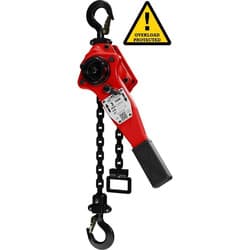
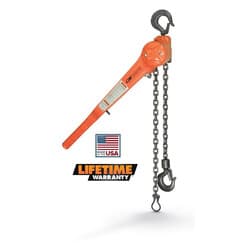
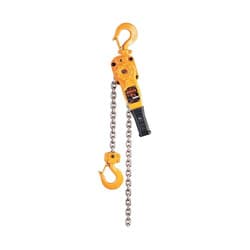
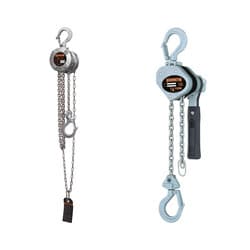
How to Choose the Right Lever Hoist
Choosing the right lever hoist starts with understanding the weight of the load, the lifting height required, and the working conditions in which the equipment will be used. Lever hoists are manually operated lifting devices that use a ratcheting lever mechanism to raise, lower, pull, or position loads with controlled movement. They are particularly useful in locations where electrical power is unavailable or where a compact, portable lifting device is required.
Load capacity is one of the most important selection factors. Determine the maximum weight you need to lift or pull and select a hoist with a rated capacity that meets the application requirements. Never exceed the manufacturer's working load limit. Also consider the load's shape, stability, attachment points, and the lifting accessories required to connect the hoist safely.
The lifting height and chain length are equally important. Different applications require different amounts of lifting travel, and a hoist must provide sufficient chain length for the intended task. For maintenance operations, equipment installation, and machinery positioning, consider the available headroom, handle clearance, and space required to operate the lever through its full range of motion.
The working environment should also influence your choice. Construction sites, industrial workshops, warehouses, and outdoor maintenance areas may expose equipment to dust, moisture, or demanding operating conditions. Review the manufacturer's specifications for environmental suitability, inspection requirements, and maintenance procedures before selecting a model.
Before using a lever hoist, inspect the load chain, hooks, latches, braking mechanism, and other critical components. Follow the manufacturer's operating instructions and applicable workplace safety requirements. Never use a lever hoist to lift people, and never stand beneath a suspended load.
Key Features to Look for in Industrial Lever Hoists
- Rated Load Capacity: Select a hoist with a working load limit suitable for the heaviest load in your intended application. Never exceed the rated capacity.
- Lifting Height and Chain Length: Confirm that the available chain length accommodates the required lifting distance and working arrangement.
- Lever Operation: Choose a design that allows controlled operation in the available workspace, including areas with limited clearance.
- Compact Design: A compact hoist can be beneficial for machinery maintenance, equipment installation, and lifting operations in restricted spaces.
- Chain and Hook Quality: Examine the manufacturer's specifications for chain strength, hook construction, safety latches, and applicable load ratings.
- Braking Mechanism: Look for a reliable load-control and braking system designed to hold the rated load when operated according to the manufacturer's instructions.
- Durability: Consider construction materials, protective finishes, maintenance requirements, and suitability for the working environment.
- Inspection and Maintenance: Select equipment with accessible inspection points and clear manufacturer guidance for routine checks, servicing, and replacement of worn components.
Industries That Use Lever Hoists
- Manufacturing: Lift, position, and align machinery components, production equipment, and heavy industrial parts during installation and maintenance.
- Construction: Assist with positioning structural components, equipment, and materials when suitable lifting points and approved rigging arrangements are available.
- Warehousing and Distribution: Support maintenance and equipment-handling tasks involving machinery, fixtures, and other compatible loads.
- Automotive: Assist with machinery servicing, component positioning, and workshop maintenance tasks using appropriately rated lifting equipment.
- Industrial Maintenance and MRO: Raise, lower, pull, and position equipment components during repairs, replacement work, and routine servicing.
- Utilities and Infrastructure: Support suitable installation and maintenance activities involving mechanical equipment and structural components.
- Equipment Installation: Provide controlled manual lifting and positioning during the installation, alignment, or adjustment of industrial machinery.
Frequently Asked Questions About Industrial Lever Hoists
Q1: What is an industrial lever hoist used for?
An industrial lever hoist is a manually operated lifting and pulling device used to raise, lower, tension, or position loads. It uses a lever and ratcheting mechanism to operate the load chain, making it useful for maintenance, construction, equipment installation, and industrial material handling.
Q2: What is the difference between a lever hoist and a chain hoist?
A lever hoist typically uses a hand-operated lever to control the lifting or pulling mechanism and is often suitable for horizontal pulling and positioning as well as lifting. A conventional manual hand-chain hoist generally uses a hand chain to raise and lower loads. The best option depends on the application, available clearance, required lifting direction, and operating requirements.
Q3: How do I determine the correct capacity for a lever hoist?
First, determine the maximum load weight and confirm that the lifting arrangement, attachment points, rigging accessories, and supporting structure are suitable for the application. Select a hoist with a rated capacity that meets or exceeds the required load, while following the manufacturer's instructions and applicable safety requirements. Never exceed the hoist's rated working load limit.
Q4: Can a lever hoist be used for horizontal pulling?
Yes. Many lever hoists are designed for pulling and tensioning as well as lifting, provided the specific model and arrangement are approved for the intended application. Check the manufacturer's instructions, rated capacity, attachment requirements, and permitted operating direction before using the equipment for pulling.
Q5: What should I inspect before using a lever hoist?
Inspect the load chain for wear, deformation, cracks, corrosion, or other damage. Check the hooks, safety latches, lever, braking mechanism, and other components for proper condition and operation. Remove damaged equipment from service and follow the manufacturer's inspection and maintenance requirements.
Q6: Can lever hoists be used outdoors or in demanding industrial environments?
Suitability depends on the particular hoist's construction, protective finish, environmental rating, and manufacturer specifications. Before using a hoist outdoors or in environments exposed to moisture, dust, chemicals, or extreme temperatures, verify that the model is suitable for those conditions and follow the required maintenance procedures.
Q7: How do I choose the correct chain length for a lever hoist?
Determine the vertical lifting distance or pulling arrangement required for your task, then select a model with an appropriate chain length and sufficient operating clearance. Consider the starting position of the load, available headroom, and the manufacturer's instructions for the permitted chain configuration.
Q8: Where can I purchase industrial lever hoists?
Janeice Products Co Inc provides industrial and material handling equipment for businesses across the United States. Browse the Lever Hoists category to review available products and specifications, or contact the support team at +1 803-652-3025 for assistance with product selection and quotation requests.