
 Deals Of The Day
 Top Sellers
 Top Trending
 New Arrivals
 Shop By Brands
Hoists & Equipment Hand Chain
Shop hand chain hoists at Janeice Products Co Inc, your trusted material handling supply source based in Aiken, South Carolina. Whether you need manual chain hoists for lifting heavy equipment, positioning machinery, handling materials in workshops, or supporting warehouse and industrial operations, our catalog offers practical lifting solutions for a variety of applications. Hand chain hoists provide controlled manual lifting without requiring an electrical power supply, making them suitable for maintenance facilities, manufacturing plants, construction environments, warehouses, and equipment installation projects. Explore our material handling equipment to find lifting solutions that match your load requirements, lifting height, and workplace conditions.
How to Choose the Right Hand Chain Hoist
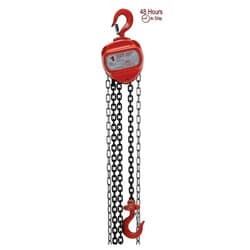
Choosing the right hand chain hoist for your facility starts with understanding the weight of the load you need to lift, the required lifting height, and how frequently the equipment will be used. Hand chain hoists use a manually operated hand chain to raise and lower loads through a mechanical lifting system. They are useful in workplaces where precise load positioning is required and powered lifting equipment may not be practical.
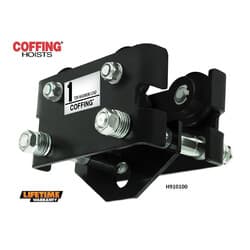
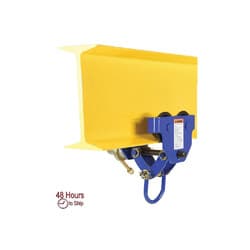
Load capacity is one of the most important selection criteria. Choose a hoist with a rated capacity that meets or exceeds the weight of the heaviest load you intend to lift. Never exceed the manufacturer's rated working load limit. Also consider the lifting height, available headroom, chain length, and the mounting arrangement, such as a fixed suspension point or a compatible trolley for horizontal movement along an overhead beam.
The operating environment also matters. Manufacturing facilities, maintenance workshops, and warehouses may require different lifting configurations depending on available space, frequency of use, and the nature of the materials being handled. For repetitive lifting operations, consider the hoist's operating effort, durability, inspection requirements, and suitability for the intended duty cycle.
Before purchasing, verify that the overhead support structure, mounting hardware, and any supporting trolley are suitable for the complete lifting arrangement. Always follow the manufacturer's installation, inspection, maintenance, and operating instructions.
Key Features to Look for in Hand Chain Hoists
-
Load Capacity: Select a hoist with a rated working load limit appropriate for the heaviest load you need to lift. Common industrial capacities vary by model.
-
Lifting Height: Check the maximum lifting distance and ensure the supplied load chain is suitable for your application.
-
Manual Chain Operation: A hand chain mechanism allows operators to lift and lower loads without electrical power, making it useful in many industrial environments.
-
Construction and Durability: Look for robust construction and components designed for the intended industrial workload and operating conditions.
-
Braking Mechanism: Verify that the hoist includes a suitable load-holding brake designed to control and hold the load according to the manufacturer's specifications.
-
Mounting Compatibility: Determine whether you need a fixed suspension hook, an overhead beam attachment, or a compatible trolley for horizontal load movement.
-
Headroom and Clearance: Measure the available vertical space to ensure the hoist and suspended load can operate without interfering with surrounding equipment.
-
Safety and Inspection: Review manufacturer instructions for load limits, pre-use checks, periodic inspections, and maintenance requirements before placing the hoist into service.
Industries That Use Hand Chain Hoists
-
Manufacturing: Lift and position machinery, production components, tooling, and heavy parts during assembly and maintenance.
-
Warehousing & Distribution: Support controlled lifting and positioning of equipment and materials in suitable designated work areas.
-
Construction: Assist with lifting building materials, equipment components, and other loads where an appropriate manual lifting arrangement is available.
-
Automotive: Raise and position mechanical assemblies, vehicle components, and equipment during maintenance and repair operations.
-
Maintenance & MRO: Handle motors, pumps, replacement components, and machinery parts during equipment servicing.
-
Industrial Workshops: Support equipment installation, fabrication, repair, and material positioning tasks.
-
Utilities & Facilities Management: Assist with maintenance and installation work involving suitable lifting points and compatible equipment.
Frequently Asked Questions About Hand Chain Hoists
Q1: What is a hand chain hoist used for?
A hand chain hoist is a manual lifting device used to raise, lower, and position heavy loads. It is commonly used in manufacturing plants, workshops, maintenance facilities, warehouses, and equipment installation environments where controlled lifting is required.
Q2: How do hand chain hoists work?
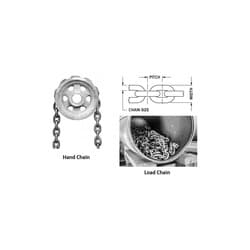
A hand chain hoist operates through a manually pulled hand chain connected to a mechanical lifting and gearing system. Pulling the chain drives the lifting mechanism, raising or lowering the load chain and its attached load. The hoist's braking system helps hold the load when operated according to the manufacturer's instructions.
Q3: How do I determine the right load capacity for a hand chain hoist?
First, determine the maximum weight of the load you intend to lift. Choose a hoist with a rated capacity that meets or exceeds that weight, and account for any lifting accessories as required by the manufacturer's instructions. Never exceed the rated capacity or use the hoist to lift people.
Q4: What lifting height should I choose?
The required lifting height depends on the vertical distance the load must travel between its starting and ending positions. Measure the available clearance and required travel, then confirm the hoist's lifting height, chain arrangement, and headroom specifications before ordering.
Q5: Can a hand chain hoist move loads horizontally?
A standard fixed hand chain hoist is designed primarily for vertical lifting and lowering. To move a suspended load horizontally along an overhead beam, you may need a compatible manual trolley and a properly designed support system. Verify that all components are compatible and rated for the intended application.
Q6: Do hand chain hoists require electricity?
No. Hand chain hoists operate manually and do not require an electrical power supply. This makes them useful in locations where electrical power is unavailable or where a manually operated lifting solution is preferred.
Q7: What safety checks should be performed before using a hand chain hoist?
Inspect the hoist, load chain, hooks, latches, brake, and suspension arrangement according to the manufacturer's instructions. Confirm that the support structure is suitable, the load is within the rated capacity, and the load is properly secured. Never lift people, stand beneath a suspended load, or continue using equipment that shows signs of damage or malfunction.
Q8: How should a hand chain hoist be maintained?
Follow the manufacturer's maintenance schedule, including recommended inspections, cleaning, lubrication, and checks of the chain, hooks, brake, and other critical components. Remove damaged or defective equipment from service until it has been inspected and repaired by a qualified person.