
 Deals Of The Day
 Top Sellers
 Top Trending
 New Arrivals
 Shop By Brands
Hoists & Equipment Electric
Shop electric hoists at Janeice Products Co Inc, your trusted material handling supply source based in Aiken, South Carolina. Whether you need electric chain hoists for lifting heavy components, wire rope hoists for industrial material handling, or powered lifting equipment for manufacturing facilities and warehouses, our catalog helps businesses find lifting solutions suited to their operational requirements. Electric hoists are designed to lift and lower loads efficiently, reduce manual handling, and support material movement across workshops, production lines, maintenance facilities, and industrial environments. Explore our industrial equipment selection to find lifting solutions that match your load capacity, lifting height, and application needs.
How to Choose the Right Electric Hoist
Choosing the right electric hoist for your facility starts with understanding the weight of the loads you need to lift, the required lifting height, and how frequently the equipment will be used. Consider the maximum load weight, lifting speed, available power supply, operating environment, and the type of support structure available for installation. Selecting a hoist that matches your application helps improve material handling efficiency and supports safe lifting operations.
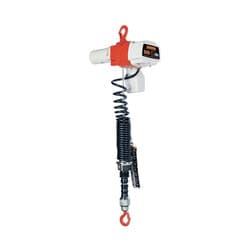
Electric chain hoists are commonly used for lifting machinery, components, tools, and industrial materials in workshops and manufacturing facilities. Wire rope hoists are often considered for applications involving heavier loads, greater lifting heights, or demanding industrial lifting requirements. The right option depends on the hoist's rated capacity, duty classification, installation arrangement, and the manufacturer's specifications.
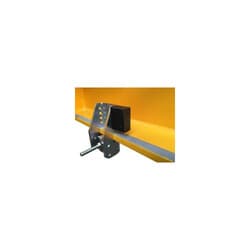
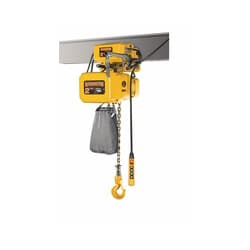
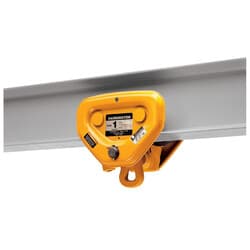
The mounting configuration is another important consideration. Electric hoists may be installed on fixed mounting points or used with compatible trolleys that allow horizontal movement along an overhead beam. If your operation requires moving materials between workstations, confirm that the hoist and trolley are compatible with the supporting beam and designed for the intended load.
Before purchasing an electric hoist, review the manufacturer's instructions, electrical requirements, lifting capacity, duty rating, and safety features. Ensure that the supporting structure is suitable for the intended load and that installation, inspection, and maintenance are performed according to applicable safety requirements.
Key Features to Look for in Electric Hoists
-
Lifting Capacity: Select a hoist with a rated capacity suitable for the heaviest load you intend to lift. Never exceed the manufacturer's specified working load limit.
-
Lifting Height: Check the required vertical travel and choose a hoist with sufficient lifting height and chain or wire rope length for your workspace.
-
Power Supply: Verify the required voltage, phase, frequency, and electrical connection before ordering. Ensure compatibility with your facility's available power supply.
-
Lifting Speed: Consider whether a standard or variable lifting speed is appropriate for your operation. Controlled movement can be particularly important when positioning delicate or heavy components.
-
Hoist Type: Choose an electric chain hoist or wire rope hoist according to your load requirements, lifting height, operating frequency, and working environment.
-
Mounting and Trolley Compatibility: Determine whether you need a fixed hoist or a trolley-mounted unit for horizontal load movement. Confirm compatibility with the supporting beam and mounting arrangement.
-
Duty Rating: Evaluate the expected operating frequency, load cycles, and duration of use. Select equipment rated for the demands of your application.
-
Safety Features: Review available overload protection, limit switches, emergency-stop controls, braking systems, and other safety features specified for the particular model.
-
Maintenance Requirements: Consider inspection access, replacement parts, service requirements, and the manufacturer's recommended maintenance schedule.
Industries That Use Electric Hoists
-
Manufacturing: Lift machinery components, raw materials, tooling, and assemblies during production and equipment maintenance.
-
Warehousing & Distribution: Support loading, unloading, and material movement in facilities equipped with suitable overhead lifting structures.
-
Automotive: Position engines, transmissions, vehicle components, and heavy assemblies in manufacturing and repair environments.
-
Construction & Infrastructure: Lift suitable materials and equipment in approved applications where the hoist, installation, and supporting structure meet project requirements.
-
Industrial Maintenance & MRO: Raise and position motors, pumps, machine parts, and other equipment during servicing and replacement.
-
Metalworking & Fabrication: Handle fabricated components, metal assemblies, fixtures, and tooling in workshops and production areas.
-
Power Generation & Utilities: Assist with lifting equipment components during planned maintenance in facilities designed for overhead material handling.
-
Assembly & Production Lines: Position components at designated workstations to support repetitive lifting and improve workflow efficiency.
Frequently Asked Questions About Electric Hoists
Q1: What is an electric hoist used for?
An electric hoist is a powered lifting device used to raise and lower loads with an electric motor. It is commonly used in manufacturing plants, warehouses, workshops, maintenance facilities, and industrial production areas where materials or equipment need to be lifted safely and efficiently.
Q2: What is the difference between an electric chain hoist and an electric wire rope hoist?
An electric chain hoist uses a load chain to raise and lower materials and is commonly used in workshops, manufacturing facilities, and general industrial applications. An electric wire rope hoist uses a wire rope wound around a drum and is often selected for applications requiring greater lifting heights or higher capacities. The best choice depends on the specific model, load requirements, operating conditions, and duty rating.
Q3: How do I determine the correct lifting capacity for an electric hoist?
Start by identifying the maximum weight of the load, including any lifting attachments that contribute to the suspended load. Choose a hoist with a rated capacity that meets or exceeds the total load weight, while accounting for the lifting arrangement and applicable safety requirements. Never exceed the rated capacity of the hoist, trolley, lifting accessories, or supporting structure.
Q4: Can an electric hoist move loads horizontally?
An electric hoist primarily raises and lowers loads. For horizontal movement, some hoists can be installed with a compatible manual or powered trolley that travels along a suitable overhead beam. Check the product specifications to confirm trolley compatibility and ensure the complete lifting system is appropriately rated.
Q5: What power supply is required for an electric hoist?
Power requirements vary by model and may include different voltage, single-phase or three-phase configurations, and specific frequency requirements. Always review the manufacturer's electrical specifications and confirm compatibility with your facility's power supply before purchasing or installing the equipment.
Q6: What safety precautions should be followed when operating an electric hoist?
Operators should receive appropriate training, inspect the hoist and lifting accessories before use, verify the load weight, and confirm that the supporting structure is suitable. Never exceed the rated capacity, lift people with equipment not designed for personnel lifting, or allow anyone to stand beneath a suspended load. Follow the manufacturer's operating instructions and applicable workplace safety regulations.
Q7: How often should an electric hoist be inspected and maintained?
Inspection and maintenance frequency depends on the equipment, operating conditions, usage intensity, and applicable regulations. Follow the manufacturer's maintenance schedule and required inspection procedures. Regular checks should address the chain or wire rope, hooks, brakes, controls, limit switches, and other safety-critical components. Any damaged or malfunctioning equipment should be removed from service until appropriately inspected and repaired.
Q8: Where can I find the right electric hoist for my application?
Browse the Electric Hoists category at Janeice Products Co Inc to review available equipment and product specifications. Compare rated lifting capacity, lifting height, power requirements, mounting options, and operating duty before making a selection. For specialized lifting requirements or bulk purchasing, contact the Janeice Products team at +1 803-652-3025 for assistance.