
 Deals Of The Day
 Top Sellers
 Top Trending
 New Arrivals
 Shop By Brands
Hand Trucks Shovel Nose
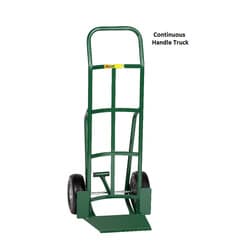
How to Choose the Right Shovel Nose Hand Truck
Choosing the right shovel nose hand truck starts with understanding the types of materials you need to move, their weight, and the conditions in which the truck will be used. Consider the maximum load capacity, toe plate dimensions, frame height, wheel configuration, and the frequency of daily use. Selecting a hand truck that matches your typical workload helps improve handling efficiency and reduces unnecessary physical strain on employees.
The toe plate is one of the most important features of a shovel nose hand truck. Its extended, flat design slides beneath boxes, cartons, and other loads, providing a supporting surface during transportation. Choose a toe plate wide and deep enough to support your typical load without interfering with safe maneuvering through doorways, aisles, and tight spaces.
Frame material also affects durability and handling. Steel hand trucks are suitable for demanding warehouse and industrial applications where strength is a priority. Aluminum models can be a practical choice when lighter equipment is preferred for frequent handling or delivery work. Always compare the manufacturer's rated capacity and product specifications before selecting a model.
Wheel selection is equally important. Pneumatic wheels can provide cushioning on uneven outdoor surfaces, while solid rubber or other maintenance-conscious wheel options may be suitable for smoother indoor floors. Consider the floor conditions, thresholds, ramps, and outdoor routes where the hand truck will operate.
Before ordering, verify the overall truck dimensions, toe plate size, load capacity, handle design, and wheel type. Choosing the right configuration helps ensure safe transportation, efficient workflows, and long-term value for your facility.
Key Features to Look for in Shovel Nose Hand Trucks
- Load Capacity: Select a hand truck rated to carry the weight of your heaviest typical load. Never exceed the manufacturer's specified capacity.
- Toe Plate Dimensions: Choose a toe plate with sufficient width and depth to support boxes, cartons, and other materials securely.
- Frame Construction: Steel frames are suitable for many heavy-duty applications, while aluminum construction can reduce equipment weight.
- Wheel Type: Consider pneumatic wheels for uneven surfaces or suitable solid wheels for many indoor material handling applications.
- Handle Design: Select a handle configuration that provides comfortable control and adequate clearance for the loads being transported.
- Overall Dimensions: Check the truck height, width, and toe plate measurements to ensure it fits through doorways, aisles, and storage areas.
- Durability: Look for robust frame construction, reliable wheel assemblies, and quality components suited to your expected frequency of use.
- Safety and Stability: Choose a hand truck that supports the intended load properly and can be controlled safely along the routes used in your facility.
Industries That Use Shovel Nose Hand Trucks
- Warehousing & Distribution: Move cartons, packaged goods, inventory, and shipping supplies between storage areas and dispatch zones.
- Manufacturing: Transport boxes of components, packaged materials, supplies, and finished products around production facilities.
- Retail & Wholesale: Replenish shelves, move stock from receiving areas, and transport cartons between storage rooms and sales floors.
- Shipping & Logistics: Handle packages and boxed shipments at loading docks, parcel facilities, and distribution centers.
- Moving & Storage: Transport packed boxes, household goods, and other suitable items during relocation and storage operations.
- Construction & Maintenance: Move boxed tools, equipment, supplies, and materials across appropriate job-site surfaces.
- Office & Commercial Facilities: Relocate cartons, office supplies, records, and packaged equipment with less manual carrying.
Frequently Asked Questions About Shovel Nose Hand Trucks
Q1: What is a shovel nose hand truck?
A shovel nose hand truck is a two-wheeled material handling device featuring a flat toe plate that slides beneath a load. The load is tilted back against the frame and transported using the wheels. This design is commonly used to move boxes, cartons, packages, and other compatible items.
Q2: What is the difference between a shovel nose hand truck and a standard hand truck?
The term shovel nose generally describes a hand truck with a flat, projecting toe plate designed to slide under loads. Standard hand trucks can also have this configuration, but designs differ in toe plate dimensions, frame construction, handles, and wheel options. The best choice depends on the size and shape of the materials you need to transport.
Q3: How do I choose the correct load capacity?
Determine the weight of your heaviest typical load and select a hand truck with a manufacturer-rated capacity that accommodates it. Also consider load dimensions, weight distribution, and the surfaces over which the truck will travel. Never exceed the rated capacity, and ensure the load is stable before moving.
Q4: Are shovel nose hand trucks suitable for warehouse use?
Yes. Shovel nose hand trucks are commonly used in warehouses to transport cartons, packaged inventory, and supplies between shelves, receiving areas, packing stations, and shipping docks. Choose a model with appropriate capacity, dimensions, and wheels for your facility's floor conditions.
Q5: Which wheel type should I choose for a shovel nose hand truck?
The right wheel depends on the operating environment. Pneumatic wheels can absorb some impact on rougher surfaces, while solid rubber and other solid-wheel options can be useful for indoor applications where puncture resistance and reduced maintenance are priorities. Check the individual product specifications for wheel material, diameter, and intended use.
Q6: Are steel or aluminum shovel nose hand trucks better?
Steel models are often preferred for demanding applications where robust construction is important. Aluminum models are generally lighter, which can be beneficial for delivery personnel and users who frequently load, unload, or transport the equipment. Compare rated capacity, overall weight, and operating conditions before choosing.
Q7: How can I use a shovel nose hand truck safely?
Inspect the truck, wheels, handles, and toe plate before use. Center the load over the toe plate, keep the load stable, and secure it when necessary. Maintain control while tilting and moving the truck, avoid exceeding its rated capacity, and use appropriate assistance or alternative equipment for oversized, unstable, or exceptionally heavy loads.