
 Deals Of The Day
 Top Sellers
 Top Trending
 New Arrivals
 Shop By Brands
Guards Machine
Shop industrial machine guards at Janeice Products Co Inc, your trusted material handling supply source based in Aiken, South Carolina. Whether you need protective barriers for industrial machinery, safety enclosures for production equipment, or guarding solutions to help separate employees from hazardous moving parts, selecting the right machine guards is essential for workplace safety and efficient operations. Our industrial safety and material handling catalog supports manufacturing facilities, warehouses, maintenance departments, and production environments with equipment protection and workplace safety solutions. Explore our range to find suitable guarding products for your facility's operational requirements.
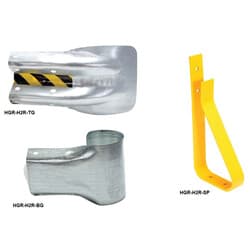
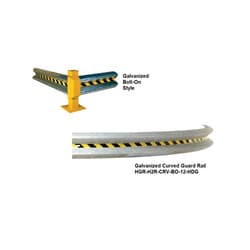
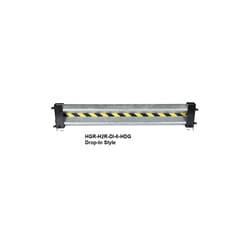
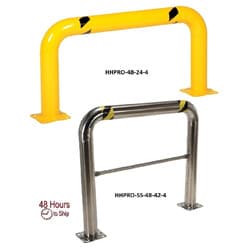
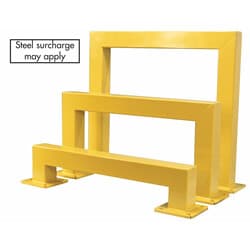
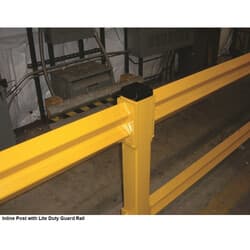
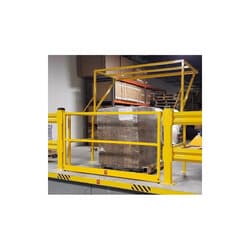
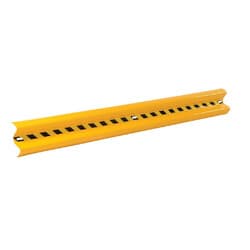
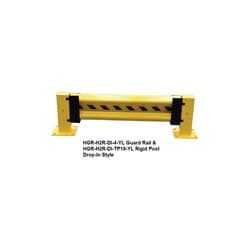

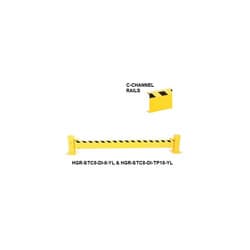
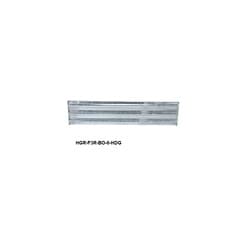
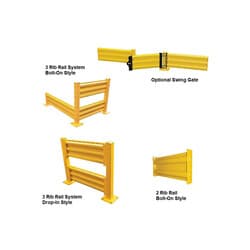
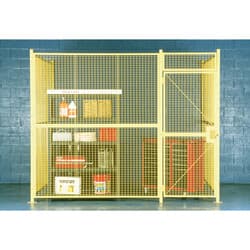
How to Choose the Right Industrial Machine Guards
Choosing the right industrial machine guards starts with identifying the potential hazards around your machinery and the level of protection required. Consider whether employees could come into contact with rotating shafts, moving belts, gears, cutting tools, pinch points, or other hazardous machine components. The selected guarding solution should help prevent accidental contact while allowing authorized personnel to operate, inspect, and maintain equipment safely.
The type of machine and its operating environment also influence your choice. Fixed guards are generally suitable for machinery that does not require frequent access, while interlocked guards may be appropriate when operators need to open a protective door or panel for certain tasks. Adjustable or removable guards may be useful for equipment requiring regular maintenance, provided they are designed and used in accordance with applicable safety requirements.
Material selection is another important consideration. Steel guards are commonly used in industrial environments where strength and impact resistance are important. Stainless steel may be suitable for applications requiring corrosion resistance, while transparent guarding materials can help operators observe machine processes without direct exposure to moving components. The appropriate material depends on the machine, the hazards involved, and the working environment.
Before purchasing machine guards, assess the equipment's dimensions, access points, maintenance requirements, and installation constraints. Confirm that the guarding solution does not interfere with normal operations, emergency stops, visibility, or required machine access. Proper installation, inspection, and maintenance are essential to ensuring that machine guarding continues to provide effective protection.
Key Features to Look for in Industrial Machine Guards
-
Safety and Hazard Protection: Select guards designed to help prevent access to dangerous moving parts, cutting mechanisms, pinch points, and other machine hazards.
-
Material and Durability: Consider steel, stainless steel, or suitable transparent materials based on impact exposure, corrosion risks, and operating conditions.
-
Machine Compatibility: Verify the guard's dimensions, mounting arrangements, and configuration against your existing machinery and installation requirements.
-
Access and Maintenance: Choose a suitable fixed, adjustable, or interlocked design based on how frequently operators need access to the machine for inspection, cleaning, or maintenance.
-
Visibility: Where monitoring is required, consider guarding designs that allow operators to observe the production process without compromising protection.
-
Installation Requirements: Check mounting points, clearances, fasteners, and structural requirements before installation.
-
Compliance and Standards: Confirm that the selected guarding system meets applicable workplace safety regulations and relevant machine-specific requirements.
-
Maintenance and Inspection: Look for practical designs that can be inspected and maintained regularly to identify damage, loose fittings, or other issues that could reduce protection.
Industries That Use Industrial Machine Guards
-
Manufacturing: Help protect operators from moving machinery, production equipment, cutting tools, and mechanical components.
-
Automotive: Support safety around assembly equipment, conveyors, presses, and automated production systems.
-
Warehousing and Distribution: Help protect personnel around conveyor systems, automated material handling equipment, and packaging machinery.
-
Food and Beverage Processing: Provide suitable guarding around processing, mixing, cutting, and packaging equipment, with material selection based on hygiene and cleaning requirements.
-
Metalworking and Fabrication: Help reduce exposure to rotating equipment, grinding machinery, cutting tools, and other mechanical hazards.
-
Packaging and Printing: Separate operators from moving rollers, belts, cutting mechanisms, and automated packaging equipment.
-
Industrial Maintenance and MRO: Support machinery safety improvements, replacement guarding, and maintenance-related equipment upgrades.
Frequently Asked Questions About Industrial Machine Guards
Q1: What are industrial machine guards used for?
Industrial machine guards are protective barriers, covers, enclosures, or other safeguarding devices designed to help prevent workers from contacting hazardous machine components. They can help reduce the risk of injuries caused by rotating parts, moving belts, pinch points, cutting tools, and other mechanical hazards.
Q2: What are the different types of machine guards?
Common types include fixed guards, interlocked guards, adjustable guards, and self-adjusting guards. Fixed guards remain in place during normal operation, while interlocked guards are designed to work with machine controls so that opening the guard triggers the required safety response. The appropriate type depends on the machine, its hazards, and the frequency of access required.
Q3: Which material is best for industrial machine guards?
The best material depends on the application. Steel is often selected for strength and durability, stainless steel may be suitable for corrosive or washdown environments, and transparent materials may be useful when visibility is important. Always consider the expected impact, operating conditions, and specific hazards before selecting a material.
Q4: How do I choose the correct size of a machine guard?
Measure the machine area that needs protection, including its width, height, depth, moving components, and required access points. Account for mounting hardware, operating clearances, and maintenance access. The guard must provide effective protection without interfering with machinery operation or other required safety features.
Q5: Are machine guards required for industrial equipment?
Machine guarding requirements depend on the equipment, the hazards present, and the applicable workplace safety regulations. In the United States, OSHA's machine-guarding requirements under 29 CFR 1910.212 address guarding against hazards such as points of operation, rotating parts, and flying chips or sparks. Employers should assess each machine and ensure that appropriate safeguards are installed and maintained.
Q6: Can machine guards be removed for maintenance?
Some guards are designed to be opened or removed for maintenance, cleaning, or inspection. However, access must be controlled through appropriate safety procedures and, where required, energy isolation and lockout/tagout. Interlocks and other safety devices should never be bypassed to keep a machine operating with its guard open.
Q7: How often should industrial machine guards be inspected?
Machine guards should be inspected regularly according to the equipment manufacturer's recommendations, workplace safety procedures, and operating conditions. Inspections should check for damage, loose fasteners, missing components, altered mounting arrangements, and malfunctioning interlocks. Any defect that compromises protection should be addressed before the equipment is returned to normal operation.