
 Deals Of The Day
 Top Sellers
 Top Trending
 New Arrivals
 Shop By Brands
Forklift Equipment Accessories
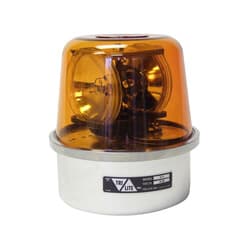
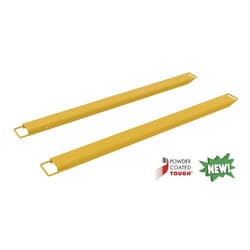
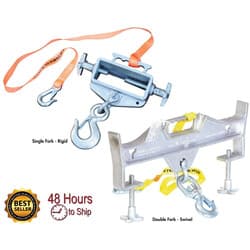
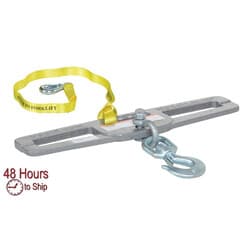
How to Choose the Right Forklift Equipment Accessories
Choosing the right forklift equipment accessories starts with understanding your material handling requirements, the type of forklift you operate, and the loads you need to move. Consider the size, weight, shape, and handling requirements of your materials, along with the working environment and frequency of forklift use. Selecting accessories that match your equipment and operational needs can help improve workflow efficiency and support safer material handling practices.
Compatibility is one of the most important factors when selecting forklift accessories. Check your forklift's make, model, lifting capacity, attachment mounting requirements, and hydraulic connections, where applicable. Attachments can affect the forklift's rated capacity, load center, visibility, and overall stability. Always verify compatibility with the forklift manufacturer or a qualified equipment specialist before purchasing or installing an attachment.
Your working environment also influences which accessories are appropriate. Warehouses and distribution centers may require solutions for pallet handling and repetitive loading operations, while manufacturing facilities may need accessories suited to handling specific materials or products. For outdoor yards and industrial operations, consider environmental conditions, surface characteristics, and the demands of frequent loading and unloading.
Before ordering, review the manufacturer's specifications and operating instructions for each accessory. Confirm the permitted load capacity, installation requirements, maintenance needs, and any training required for operators. Properly selected and maintained forklift accessories can help businesses improve material handling efficiency while maintaining appropriate equipment safety standards.
Key Features to Look for in Forklift Equipment Accessories
-
Forklift Compatibility: Verify that the accessory is suitable for your forklift's make, model, mounting system, and rated capacity before purchasing.
-
Load Capacity: Check the accessory's rated capacity and the forklift's revised capacity when an attachment is installed. Never exceed the approved load limits.
-
Application Suitability: Choose accessories designed for the materials, load dimensions, and handling tasks performed in your facility.
-
Construction and Durability: Consider the materials, build quality, operating conditions, and expected frequency of use to select equipment suitable for your application.
-
Installation Requirements: Confirm whether the accessory requires mounting hardware, hydraulic connections, electrical connections, or professional installation.
-
Operator Visibility: Evaluate how the accessory affects the operator's visibility, load positioning, and ability to maneuver safely.
-
Maintenance Requirements: Review inspection intervals, lubrication requirements, wear components, and manufacturer maintenance recommendations.
-
Safety and Compliance: Select accessories that meet applicable requirements and follow the forklift and attachment manufacturers' operating instructions.
Industries That Use Forklift Equipment Accessories
-
Warehousing & Distribution: Support pallet movement, loading and unloading, order fulfillment, and daily inventory handling.
-
Manufacturing: Assist with moving raw materials, production components, finished goods, and industrial supplies between workstations.
-
Shipping & Logistics: Support material movement in loading docks, freight handling areas, and distribution facilities.
-
Construction & Building Materials: Help manage materials and supplies in appropriate industrial yards and material storage areas.
-
Automotive & Industrial Parts: Support the movement of components, packaged parts, and supplies throughout production and storage facilities.
-
Retail & Wholesale Distribution: Improve the handling of palletized merchandise, bulk inventory, and incoming stock.
-
Agriculture & Outdoor Storage: Support material movement in suitable storage yards and agricultural facilities, depending on the forklift and accessory specifications.
Frequently Asked Questions About Forklift Equipment Accessories
Q1: What are forklift equipment accessories used for?
Forklift equipment accessories support material handling tasks by helping operators move, position, or manage loads according to specific operational requirements. Depending on the product, accessories may improve handling flexibility, support specialized applications, or assist with routine equipment operation and maintenance.
Q2: How do I choose the right accessories for my forklift?
Start by identifying your forklift's make, model, rated capacity, attachment mounting system, and intended application. Consider the type and dimensions of your loads, working environment, and frequency of use. Review the manufacturer's specifications and confirm that the accessory is approved for your equipment before ordering.
Q3: Can forklift accessories affect lifting capacity?
Yes. An attachment can add weight to the forklift and change the load center, which may reduce the forklift's rated lifting capacity. Always refer to the forklift's approved capacity information for the specific attachment configuration. Never assume that the original capacity remains unchanged after an attachment is installed.
Q4: Are forklift equipment accessories compatible with all forklift brands?
No. Compatibility varies according to the accessory, forklift model, mounting configuration, hydraulic requirements, and load specifications. Check the manufacturer's compatibility information and consult the forklift supplier or a qualified equipment specialist when necessary.
Q5: What safety precautions should I follow when using forklift accessories?
Inspect the forklift and accessory before use, confirm that the attachment is correctly installed, verify the approved load capacity, and ensure the load is stable. Operators should receive appropriate training and follow the manufacturer's operating instructions. Accessories must not obstruct essential visibility or compromise equipment stability.
Q6: How can I maintain forklift equipment accessories?
Follow the manufacturer's inspection and maintenance schedule. Check for cracks, deformation, loose fasteners, hydraulic leaks, excessive wear, and other signs of damage. Remove defective equipment from service until it has been inspected and repaired or replaced by qualified personnel.
Q7: Where can I find forklift equipment accessories for my business?
You can explore the Forklift Equipment Accessories category at Janeice Products to identify products relevant to your material handling requirements. Review the individual product specifications and contact the Janeice Products team at +1 803-652-3025 if you need assistance with product selection or compatibility questions.