
 Deals Of The Day
 Top Sellers
 Top Trending
 New Arrivals
 Shop By Brands
Ergonomic Lifters
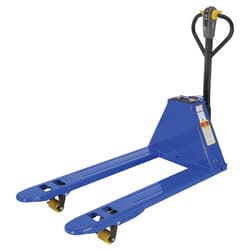
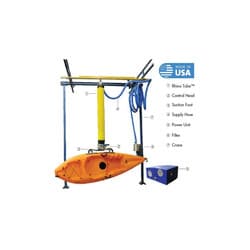
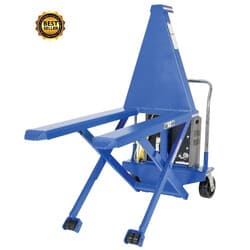

How to Choose the Right Ergonomic Lifter
Choosing the right ergonomic lifter for your facility starts with understanding the weight, dimensions, and handling requirements of the materials you need to lift. Consider the maximum load capacity, required lifting height, platform size, frequency of use, and available workspace. Selecting equipment that matches your application helps improve material positioning, reduce unnecessary manual handling, and support more efficient day-to-day operations.
For manufacturing and assembly environments, hydraulic and electric lift tables can raise workpieces to a comfortable working height, helping employees access materials without repeatedly bending or reaching. Janeice Products offers industrial scissor lift tables designed for heavy-duty lifting and positioning applications. Certain models provide accessories such as foot controls, transport kits, and alternative platform configurations.
For facilities that handle drums, lubricants, chemicals, or other industrial materials, ergonomic drum transporters can simplify lifting and movement between storage locations and workstations. These specialized units are available in different configurations, with options depending on drum type, load capacity, lifting height, and operating environment. Always confirm that the selected equipment is compatible with the drums or containers you need to handle.
Before purchasing an ergonomic lifter, evaluate the available floor space, required travel distance, power source, mobility requirements, and the type of load being handled. Check the manufacturer's rated capacity and operating instructions, and ensure that operators receive appropriate training. The right equipment can help streamline material handling while supporting workplace safety and productivity.
Key Features to Look for in Ergonomic Lifters
-
Load Capacity: Choose a lifter rated to handle the maximum weight of your materials, including any fixtures, containers, or attachments used during operation.
-
Lifting Height: Check the minimum and maximum lifting heights to ensure the equipment can position materials at the required workstation, conveyor, pallet, or machine level.
-
Lift Mechanism: Select manual, hydraulic, or electric lifting based on the frequency of use, required precision, load weight, and available power supply.
-
Platform Size: Match the platform dimensions to the materials being lifted. Consider load stability and any additional space needed for safe positioning.
-
Mobility and Positioning: Determine whether you need a stationary lift table or mobile equipment for transporting materials between work areas.
-
Ergonomic Design: Look for equipment that reduces unnecessary bending, reaching, and manual lifting by positioning loads at more accessible working heights.
-
Safety Features: Evaluate available safeguards, such as floor locks, guarding, emergency controls, and other model-specific safety features.
-
Durability and Maintenance: Consider construction quality, operating conditions, maintenance requirements, and the availability of replacement parts and accessories.
Industries That Use Ergonomic Lifters
-
Manufacturing: Raise components and workpieces to suitable heights for assembly, production, inspection, and machine feeding.
-
Warehousing and Distribution: Lift and position materials during receiving, order preparation, pallet handling, and inventory operations.
-
Automotive: Position automotive components, tools, and production materials for assembly, maintenance, and repair activities.
-
Construction and MRO: Move and position heavy equipment, maintenance supplies, replacement parts, and industrial materials in workshops and service facilities.
-
Packaging and Processing: Raise containers and materials to appropriate working heights for filling, packing, inspection, and handling operations.
-
Chemical and Industrial Facilities: Transport and position compatible drums and containers using equipment selected for the material, container type, and operating environment.
-
Assembly and Workstations: Maintain accessible working heights for repetitive tasks and help reduce unnecessary manual lifting during production.
Frequently Asked Questions About Ergonomic Lifters
Q1: What are ergonomic lifters used for?
Ergonomic lifters are material handling devices designed to raise, lower, position, or transport loads with less reliance on manual lifting. They are used in warehouses, manufacturing plants, assembly lines, maintenance workshops, and other industrial facilities to improve material accessibility and streamline handling tasks.
Q2: What types of ergonomic lifting equipment are available?
Depending on the application, ergonomic lifting equipment includes hydraulic and electric lift tables, scissor lifts, drum transporters, and other specialized lifting and positioning devices. The appropriate equipment depends on the load type, required lifting height, mobility needs, and operating environment.
Q3: How do I determine the correct load capacity for an ergonomic lifter?
Identify the heaviest load the equipment will handle, including the weight of containers, fixtures, attachments, and other supported materials. Choose equipment with a rated capacity suitable for the complete load and follow the manufacturer's instructions for load distribution and safe operation. Never exceed the specified capacity.
Q4: What is the difference between a hydraulic and an electric lift table?
A hydraulic lift table uses a hydraulic mechanism to raise and lower its platform. An electric lift table uses an electrically powered lifting system, allowing operators to control platform movement through the provided controls. The best option depends on lifting frequency, operating requirements, available power, and the desired level of control. Check the specifications of each model before selecting equipment.
Q5: Can ergonomic lifters help reduce workplace injuries?
Ergonomic lifters can help reduce exposure to certain manual handling risks by raising materials to accessible heights and reducing the need for repetitive bending and lifting. However, they do not eliminate all workplace hazards. Proper equipment selection, operator training, load assessment, and adherence to safety procedures remain essential.
Q6: Are ergonomic lifters available for moving industrial drums?
Yes. Specialized drum transporters are designed to lift and move compatible industrial drums. Some models accommodate different drum materials and offer various lifting heights and capacities. Verify drum dimensions, weight, construction, and compatibility with the lifting attachment before ordering.
Q7: What should I consider before purchasing an ergonomic lifter?
Consider load capacity, lifting range, platform dimensions, lift mechanism, mobility, available floor space, power requirements, safety features, and maintenance needs. Also evaluate how the equipment will integrate into your existing production or material handling workflow.
Q8: Can ergonomic lifting equipment be used in different industrial environments?
Yes. Ergonomic lifting equipment is used across manufacturing, warehousing, automotive, packaging, and maintenance environments. However, equipment suitability depends on environmental conditions, load characteristics, duty cycle, and applicable safety requirements. For wet, corrosive, food-processing, or hazardous environments, verify that the specific model is designed and approved for the intended application.