
 Deals Of The Day
 Top Sellers
 Top Trending
 New Arrivals
 Shop By Brands
Ergonomic Carts
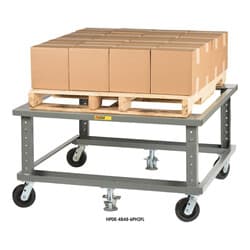
How to Choose the Right Ergonomic Cart
Choosing the right ergonomic cart for your facility starts with understanding the materials you need to move, the distance they must travel, and the tasks employees perform throughout the day. Consider the weight, dimensions, and quantity of items being transported, along with the floor conditions, available aisle space, and frequency of use. Selecting a cart that matches your workflow can help improve material handling efficiency and reduce unnecessary lifting, carrying, and repositioning.
For warehouse picking and distribution operations, order-picking carts and platforms provide mobile work surfaces for picking, staging, and transferring products. For manufacturing plants and maintenance departments, bin and tool carts help keep tools, components, and supplies organized while allowing employees to move them between workstations. Heavy-duty service carts are useful for transporting equipment and materials, while scissor-lift table carts help raise and position loads at more convenient working heights. The appropriate model depends on your load requirements and application.
Wheel and handle design are also important when selecting an ergonomic cart. Choose suitable casters for your floor surface and expected load, and consider swivel wheels for maneuverability in tight spaces. Locking casters or braking systems can help keep carts stationary during loading and unloading when provided on the selected model. For lifting carts, check the lifting mechanism, platform dimensions, operating height, and safety features before purchase.
Before ordering, verify the cart's rated load capacity, overall dimensions, platform or shelf size, wheel configuration, and operating requirements. Selecting the right cart for your application helps support an organized workflow and more efficient movement of materials throughout your facility.
Key Features to Look for in Ergonomic Industrial Carts
- Load Capacity: Choose a cart with a rated capacity that safely accommodates the total weight of the materials being transported. Account for evenly distributed loads and any manufacturer-specific restrictions.
- Ergonomic Handle Design: Look for handles positioned to support comfortable pushing and steering. Extended side handles may make maneuvering certain industrial carts easier.
- Wheel and Caster Configuration: Consider wheel material, diameter, swivel capability, and floor compatibility to support smooth movement across your facility.
- Braking and Stability: Select models with appropriate wheel locks, brakes, or stabilization features for your loading, unloading, and positioning tasks.
- Shelves and Storage: Multi-shelf carts, bin carts, and tool carts help organize materials and keep frequently used supplies accessible during work.
- Adjustable Lifting Height: Scissor-lift table carts can help raise or lower materials to a more suitable working height. Check the model's minimum and maximum platform heights.
- Dimensions and Maneuverability: Confirm the cart fits through doorways, aisles, and work areas while providing enough surface area for your materials.
- Construction and Durability: Consider steel, aluminum, or other construction materials according to the required strength, mobility, and operating environment.
- Application-Specific Accessories: Depending on the cart, additional shelves, bin panels, tool storage features, or other accessories may be available to support specific workflows.
Industries That Use Ergonomic Industrial Carts
- Manufacturing: Move components, assembly supplies, tools, and work-in-progress materials between production stations.
- Warehousing & 3PL: Support order picking, product staging, inventory transfers, and internal material movement.
- Automotive: Transport service parts, maintenance equipment, tools, and components across repair bays and production areas.
- Construction & MRO: Move tools, replacement parts, fittings, and maintenance supplies around workshops and service facilities.
- Distribution & Fulfillment: Organize picked products and move orders between picking, packing, staging, and dispatch areas.
- Healthcare & Laboratories: Transport appropriate supplies, equipment, and materials between work areas using carts selected for the facility's hygiene and handling requirements.
- Retail & Stockrooms: Replenish shelves, move cartons, organize inventory, and transfer stock between receiving and storage areas.
- Industrial Maintenance: Keep frequently used tools and replacement components together while moving between machines and maintenance stations.
Frequently Asked Questions About Ergonomic Carts
Q1: What are ergonomic industrial carts used for?
Ergonomic industrial carts are used to transport materials, tools, components, and supplies throughout workplaces. Depending on the design, they can support order picking, workstation organization, equipment movement, loading and unloading, and positioning materials at a convenient working height.
Q2: What types of ergonomic carts are available?
Different cart types serve different material handling needs. Options may include utility and service carts, bin and tool carts, order-picking carts and platforms, and scissor-lift table carts. Janeice Products lists examples of these products for industrial and warehouse applications. Always review the individual product specifications to confirm the available features.
Q3: How do I choose the correct load capacity for an industrial cart?
Determine the combined weight of the items you expect to transport and compare it with the manufacturer's rated load capacity. Also consider how the load is distributed, the cart's platform dimensions, floor conditions, and how frequently the cart will be used. Never exceed the specified capacity.
Q4: What is the benefit of a scissor-lift table cart?
A scissor-lift table cart allows a platform to be raised or lowered to help position materials at a more convenient height for loading, unloading, assembly, or production tasks. For example, Janeice Products lists scissor-lift table carts with hydraulic or electric lifting options, depending on the model. Check the individual specifications for lifting capacity, platform size, and height range.
Q5: Are ergonomic carts suitable for warehouse order picking?
Yes. Order-picking carts and platforms are designed to support picking, staging, and transferring products within warehouses and distribution facilities. Some models include multiple shelves, with additional shelves available for certain configurations. Confirm the cart's dimensions and capacity against your picking process and aisle layout.
Q6: What should I consider when selecting wheels and casters for an ergonomic cart?
Consider the floor surface, load weight, required maneuverability, wheel material, and operating environment. Swivel casters can help with steering, while locking or braking options may help prevent unintended movement during loading and unloading. Ensure the selected casters are compatible with the cart and its rated capacity.
Q7: Can ergonomic carts help reduce manual handling effort?
Ergonomic carts can reduce the need to carry materials by hand and can make it easier to move supplies between work areas. Lift-table carts may also help position loads at more convenient heights. However, safe operation still depends on selecting suitable equipment, distributing loads correctly, following manufacturer instructions, and training employees in proper handling procedures.
Q8: How do I choose the right cart for my facility?
Start by identifying the task the cart must perform, the weight and dimensions of the materials, the distance traveled, and the available workspace. Then compare load capacity, shelf or platform configuration, handle design, wheel type, braking features, and lifting requirements. Review the product specifications before ordering to ensure the cart meets your operational needs.