
 Deals Of The Day
 Top Sellers
 Top Trending
 New Arrivals
 Shop By Brands
Bins Ergonomic Benches
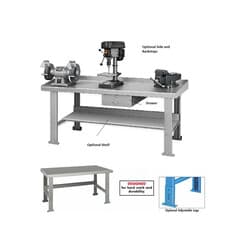
How to Choose the Right Ergonomic Workbench
Choosing the right ergonomic workbench starts with understanding the tasks your employees perform and the working conditions in your facility. Consider whether operators work while standing, sitting, or alternating between positions, as well as the height, weight, and size of the materials they handle. An adjustable-height workbench allows employees to position the work surface at a suitable level for different tasks, helping improve comfort and reduce unnecessary bending, reaching, and repetitive strain.
The height adjustment mechanism is another important consideration. Manual crank workbenches provide a practical way to change work surface height without requiring an electrical connection, while electric ergonomic workbenches allow operators to adjust the height using a button. Janeice Products offers models with different adjustment ranges and load capacities, making it important to review the specifications for each bench before selecting one for your application.
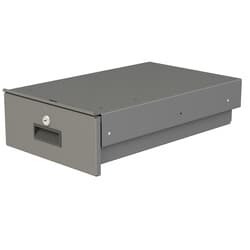
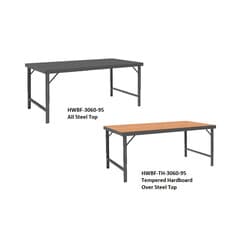
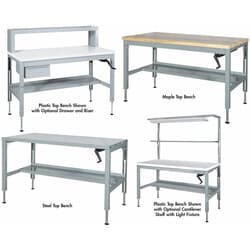
Work surface material and size also affect the suitability of an ergonomic bench. Choose a surface that accommodates your tools, equipment, components, and production workflow. Depending on the model, available options may include wood, laminate, or other industrial work surfaces. Additional accessories such as drawers, risers, lower shelves, and back or end stops can help improve organization and keep frequently used supplies within reach.
Before ordering, verify the workbench dimensions, adjustment range, load capacity, lifting mechanism, and available accessories. Selecting the right configuration helps create a workstation that supports your team's operational needs and makes better use of available floor space.
Key Features to Look for in Ergonomic Workbenches
- Height Adjustment: Choose an adjustable-height workbench that allows operators to position the work surface for their tasks and working posture.
- Manual or Electric Lift: Manual crank systems provide hand-operated adjustment, while electric lift systems offer convenient push-button height changes.
- Load Capacity: Check the manufacturer's rated capacity and ensure the workbench can safely support the combined weight of tools, equipment, materials, and workpieces.
- Work Surface Material: Select a durable surface suited to your application, such as wood or laminate, depending on the available model and your working environment.
- Size and Dimensions: Match the bench width and depth to your available workspace, equipment footprint, and required working area.
- Accessories and Storage: Consider drawers, lower shelves, risers, and back or end stops to improve organization and keep essential supplies accessible.
- Color and Customization: Some ergonomic workbench models offer multiple color choices and custom configurations to suit facility requirements.
- Stability and Durability: Look for sturdy frames, appropriate leveling components, and a construction rating suitable for your industrial workload.
Industries That Use Ergonomic Workbenches
- Manufacturing: Support assembly operations, component handling, production tasks, and repetitive manufacturing processes.
- Warehousing and Distribution: Provide organized workstations for packing, labeling, inspection, and order preparation.
- Automotive: Create work areas for component assembly, parts inspection, maintenance, and repair activities.
- Electronics and Electrical: Organize tools, components, testing equipment, and small-part assembly tasks. Select a suitable static-control work surface when required.
- Laboratories and Technical Facilities: Provide adaptable work surfaces for equipment setup, inspection, and technical tasks, subject to the application's specific requirements.
- Maintenance and MRO: Support repair work, equipment servicing, tool organization, and parts preparation.
- Packaging and Quality Control: Establish comfortable work areas for product inspection, sorting, labeling, and packaging operations.
Frequently Asked Questions About Ergonomic Workbenches
Q1: What is an ergonomic workbench?
An ergonomic workbench is a workstation designed to help users perform tasks in a more comfortable and efficient working position. Height-adjustable models allow operators to change the work surface height to suit different tasks, helping reduce awkward postures and unnecessary reaching or bending.
Q2: What is the difference between manual and electric height-adjustable workbenches?
Manual workbenches use a crank or mechanical adjustment system to change the work surface height. Electric workbenches use a powered lifting mechanism, typically controlled by buttons, for convenient adjustment. The right choice depends on how frequently the height needs to change, the available power supply, and your operational requirements.
Q3: What load capacity should I look for in an ergonomic workbench?
Choose a workbench with a rated capacity that exceeds the combined weight of the materials, tools, equipment, and workpieces placed on it. Capacity varies by model and adjustment configuration. For example, certain Janeice Products ergonomic hydraulic workbenches support 1,000 pounds with a 12-inch adjustment range and 750 pounds with a 16-inch adjustment range. Always verify the specifications for your selected model.
Q4: Can ergonomic workbenches be customized?
Some models offer customization options, including different adjustment mechanisms, work surface sizes, colors, and accessories. Custom solutions may also be available upon request. Contact Janeice Products to confirm whether your required dimensions or configuration can be accommodated.
Q5: What accessories are available for ergonomic workbenches?
Depending on the workbench series, accessories may include drawers, risers, lower shelves, and back or end stops. These additions help organize tools and supplies, create extra storage space, and prevent materials from sliding off the work surface.
Q6: Are ergonomic workbenches suitable for standing and seated work?
Height-adjustable workbenches can accommodate different working positions, depending on their adjustment range and configuration. Before purchasing, compare the minimum and maximum work surface heights with the needs of your operators and the tasks being performed. Appropriate seating or other ergonomic accessories may also be necessary for seated work.
Q7: How do I choose the correct size ergonomic workbench?
Measure the available floor space and determine the width and depth required for your tools, equipment, and workpieces. Then check the bench's height adjustment range, rated load capacity, work surface material, and accessory compatibility. Allow sufficient room for employees to move safely around the workstation and access nearby equipment.