
 Deals Of The Day
 Top Sellers
 Top Trending
 New Arrivals
 Shop By Brands
Dock Equipment Wheel Chocks
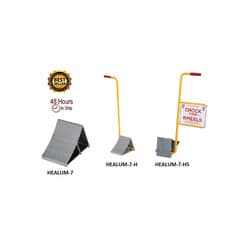
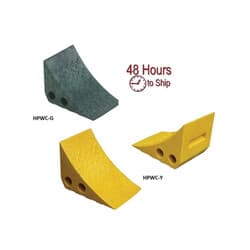
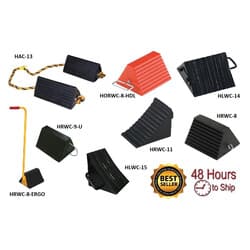
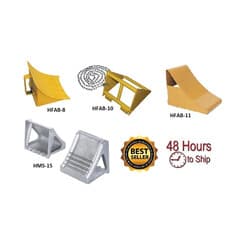
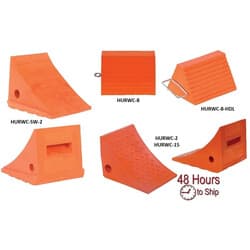
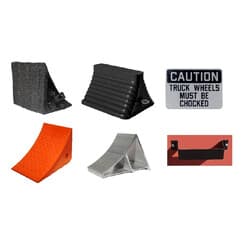
How to Choose the Right Industrial Wheel Chocks
Choosing the right wheel chocks starts with understanding the type of vehicle, tire size, and ground conditions where they will be used. Consider the vehicle's gross weight, tire diameter, parking surface, and operating environment before selecting a wheel chock. The correct size and material are important for providing effective resistance against unwanted vehicle movement.
Rubber wheel chocks are commonly used for trucks, trailers, and loading dock applications because of their durable construction and grip on suitable surfaces. Aluminum wheel chocks offer a lightweight option for transportation and field applications where portability is important. Steel and iron wheel chocks are suitable for demanding industrial environments where heavy-duty construction is required.
Ground conditions also play an important role in selecting wheel chocks. Different surfaces, including concrete, asphalt, gravel, and uneven ground, may require different chock designs. Always check the manufacturer's vehicle weight recommendations and operating instructions. Wheel chocks should be selected and used according to workplace safety procedures and should not replace required vehicle restraint systems.
Key Features to Look for in Industrial Wheel Chocks
-
Material and Construction: Choose rubber, urethane, aluminum, steel, or iron based on the application, durability requirements, and operating environment.
-
Vehicle Compatibility: Match the wheel chock dimensions and design to the vehicle's tire diameter and weight specifications.
-
Surface Grip: Consider the bottom design and material to ensure suitable contact with the intended parking or loading surface.
-
Weight Capacity: Verify the manufacturer's recommended vehicle weight and application limits before purchasing.
-
Weather Resistance: For outdoor applications, consider materials that resist moisture, oil, salt, corrosion, and temperature variations.
-
Visibility: Select high-visibility colors, such as safety yellow or orange, to make wheel chocks easier to identify in busy work areas.
-
Handling and Portability: Look for built-in handles or lightweight construction when workers frequently position and remove chocks.
-
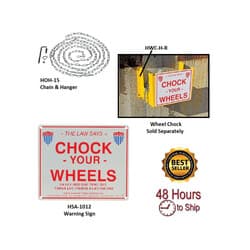
Chain and Attachment Options: Consider security chains or attachment points to help prevent misplaced or lost wheel chocks.
Industries That Use Industrial Wheel Chocks
-
Warehousing and Distribution: Securing delivery trucks and trailers during loading and unloading operations at warehouse docks.
-
Transportation and Logistics: Preventing unwanted movement of parked trucks, trailers, and commercial vehicles in fleet yards.
-
Manufacturing: Supporting vehicle safety procedures in manufacturing facilities, shipping areas, and receiving departments.
-
Construction: Securing suitable construction vehicles, utility trucks, and equipment during stationary operations.
-
Automotive and Maintenance: Keeping vehicles stationary during inspection, servicing, and maintenance activities.
-
Fleet Management: Providing wheel chocking solutions for commercial vehicle parking areas, service facilities, and transportation depots.
-
Airports and Aviation: Using specialized aircraft wheel chocks to help secure aircraft during ground operations, where appropriate for the aircraft and operating procedures.
Frequently Asked Questions About Industrial Wheel Chocks
Q1: What are industrial wheel chocks used for?
Industrial wheel chocks are wedge-shaped devices placed against vehicle tires to help prevent unwanted movement. They are commonly used with trucks, trailers, commercial vehicles, and industrial equipment during parking, loading, unloading, and maintenance operations.
Q2: What is the difference between rubber, aluminum, and steel wheel chocks?
Rubber wheel chocks offer durable construction and grip for many general-purpose applications. Aluminum wheel chocks are lightweight and easier to transport. Steel and iron wheel chocks provide heavy-duty construction for demanding industrial environments. The best material depends on vehicle requirements, ground conditions, and intended use.
Q3: How do I choose the correct wheel chock size?
Select a wheel chock based on the vehicle's tire diameter, vehicle weight, and ground surface. Check the manufacturer's product specifications and recommendations before purchasing. A properly sized wheel chock should be compatible with the tire and intended operating conditions.
Q4: Are rubber wheel chocks suitable for loading docks?
Yes, rubber wheel chocks are commonly used in loading dock environments to help prevent truck and trailer movement. However, the correct model must be selected according to vehicle weight, tire size, surface conditions, and manufacturer recommendations. Follow your facility's loading dock safety procedures.
Q5: Can wheel chocks be used on uneven or outdoor surfaces?
Some wheel chock models are designed for outdoor and demanding surface conditions. However, suitability depends on the material, design, tire size, and ground conditions. Always review the manufacturer's recommendations before using wheel chocks on gravel, slopes, wet surfaces, or uneven ground.
Q6: Are wheel chocks available with handles or security chains?
Yes, certain wheel chock models feature integrated handles, attachment holes, or options for security chains. These features can make handling easier and help reduce the risk of losing or misplacing chocks around loading docks and vehicle parking areas. Check individual product specifications for available accessories.
Q7: Can I order industrial wheel chocks in bulk for my facility?
For larger quantity requirements, contact Janeice Products Co Inc to discuss product availability, pricing, and suitable options for your facility. Our team can help you identify wheel chocks based on your vehicle types and operational requirements. Call +1 803-652-3025 or submit a Quote Request through our website.
Q8: Does Janeice Products ship industrial wheel chocks nationwide?
Janeice Products Co Inc serves customers across the United States from Aiken, South Carolina. Shipping methods, costs, and delivery timelines depend on product availability, order quantity, and destination. Contact our team at +1 803-652-3025 for shipping information and assistance with larger orders.