
 Deals Of The Day
 Top Sellers
 Top Trending
 New Arrivals
 Shop By Brands
Dock Equipment Plates
How to Choose the Right Industrial Dock Plates
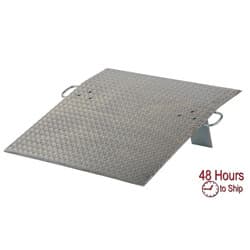
Choosing the right industrial dock plate starts with understanding the height difference between your loading dock and the vehicle or trailer. Consider the maximum load weight, equipment being used, plate dimensions, and frequency of loading and unloading operations. Selecting the correct dock plate helps create a suitable transition between surfaces and supports safer material handling.
For operations involving two-wheel hand trucks and lighter loads, aluminum dock plates can be a practical option because they are lightweight and easier to position manually. For heavier industrial applications involving pallet trucks and other material handling equipment, evaluate heavy-duty steel dock plates or appropriately rated loading dock plates. Always confirm that the selected plate is specifically designed for the equipment and application.
Plate capacity is another important consideration. Calculate the combined weight of the load and handling equipment, then compare it with the manufacturer's rated capacity. Also check the plate's usable width, length, and height differential to ensure it provides adequate coverage and a suitable transition.
Before purchasing, inspect the loading area and consider whether the plate includes safety features such as locking legs, safety curbs, handles, or a skid-resistant surface. Proper positioning and compatibility with the loading dock and vehicle are essential for reliable operation. Always follow the manufacturer's installation, inspection, and operating instructions.
Key Features to Look for in Industrial Dock Plates
-
Load Capacity: Select a dock plate with a rated capacity suitable for the combined weight of the load and material handling equipment.
-
Material Construction: Aluminum plates are generally easier to handle manually, while steel plates are commonly considered for heavier-duty applications.
-
Plate Dimensions: Check the width and length to ensure adequate coverage across the loading gap and suitable equipment access.
-
Height Differential: Confirm the maximum height difference the plate is designed to accommodate.
-
Surface Traction: Look for a tread or skid-resistant surface to help provide traction during loading and unloading.
-
Safety Features: Check for locking legs, safety curbs, retaining features, or other manufacturer-provided safety components.
-
Handling and Portability: Consider carrying handles, overall plate weight, and whether manual or mechanical positioning is required.
-
Equipment Compatibility: Verify that the dock plate is suitable for the specific hand trucks, pallet trucks, or other equipment used at your facility.
Industries That Use Industrial Dock Plates
-
Warehousing and Distribution: Connecting loading docks and truck beds for moving cartons, pallets, and inventory.
-
Manufacturing: Supporting the movement of raw materials, components, and finished goods during shipping and receiving.
-
Transportation and Logistics: Helping bridge loading height differences during freight handling and vehicle loading operations.
-
Automotive: Supporting material movement, parts distribution, and loading operations in automotive facilities.
-
Retail and Wholesale Distribution: Assisting with the transfer of merchandise between delivery vehicles and warehouse receiving areas.
-
Construction and Industrial Supply: Supporting material handling and equipment movement in suitable loading and receiving areas.
-
Third-Party Logistics (3PL): Helping streamline loading and unloading activities across distribution and fulfillment facilities.
Frequently Asked Questions About Industrial Dock Plates
Q1: What is an industrial dock plate used for?
Industrial dock plates are used to bridge the gap between a loading dock and a truck or trailer, helping create a transition for moving materials and equipment. They are commonly used with compatible hand trucks and other approved material handling equipment. Always select a plate designed for your specific application and load requirements.
Q2: What is the difference between aluminum and steel dock plates?
Aluminum dock plates are generally lighter and easier to move manually, making them suitable for certain hand truck applications. Steel dock plates are typically heavier and may be appropriate for more demanding industrial applications. The correct choice depends on the required capacity, equipment type, frequency of use, and manufacturer's specifications.
Q3: How do I determine the correct dock plate capacity?
Consider the combined weight of the material handling equipment and its maximum load. Compare this total with the manufacturer's rated capacity and operating conditions. Never exceed the specified capacity. If the plate will be used with powered equipment or concentrated wheel loads, confirm that the manufacturer explicitly approves that application.
Q4: What size dock plate do I need?
The correct size depends on the width of your loading gap, height difference, equipment dimensions, and required working clearance. Measure the loading area carefully and check the manufacturer's recommended dimensions before ordering. The plate must provide adequate coverage and a suitable transition for the intended equipment.
Q5: Are aluminum dock plates suitable for hand trucks?
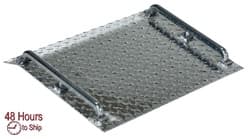
Yes, certain aluminum dock plates are specifically designed for two-wheel hand truck applications. Some models include tread plate surfaces, locking legs, and carrying handles. However, always check the product specifications for the approved equipment type, height differential, and maximum load capacity.
Q6: What safety features should I look for when purchasing dock plates?
Important features may include skid-resistant surfaces, locking legs, safety curbs, and secure positioning mechanisms. Select features based on your loading environment and equipment requirements. Operators should follow the manufacturer's instructions and inspect the plate before each use.
Q7: Can dock plates be used with forklifts or powered pallet trucks?
Not all dock plates are designed for forklift or powered pallet truck use. Standard hand truck dock plates may not support the concentrated wheel loads or operating forces of powered equipment. Verify the manufacturer's approved equipment applications and load ratings before use. For forklift operations, a properly rated dock board or loading dock leveler may be required.
Q8: Can I order industrial dock plates in bulk for my facility?
For larger loading dock requirements, contact Janeice Products Co Inc to discuss product availability, quantities, and pricing. The team can help you identify suitable dock plate options based on your loading equipment and operational requirements. Call +1 803-652-3025 or submit a quote request through the website.
Q9: Does Janeice Products ship dock plates across the United States?
Janeice Products Co Inc serves customers nationwide from Aiken, South Carolina. Shipping methods, costs, and delivery timelines depend on product availability, order quantity, product dimensions, and destination. Contact the team at +1 803-652-3025 to confirm shipping details before placing a large order.