
 Deals Of The Day
 Top Sellers
 Top Trending
 New Arrivals
 Shop By Brands
Dock Equipment Lift
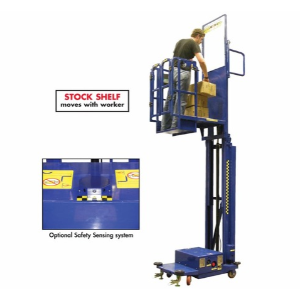
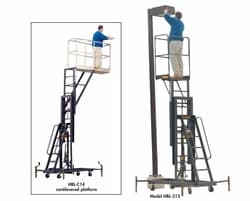
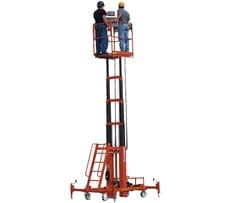

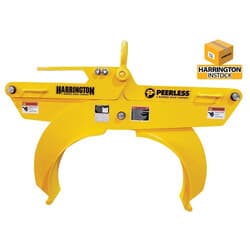
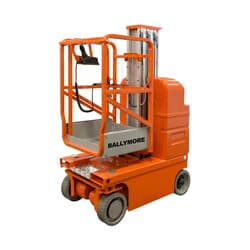
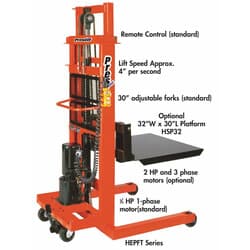
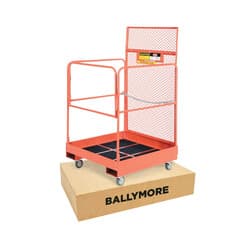
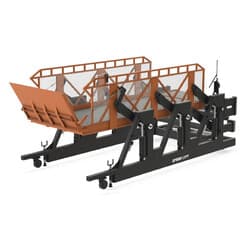
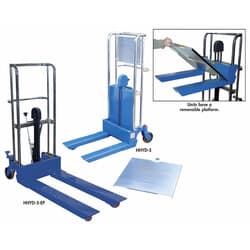
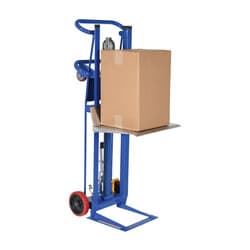
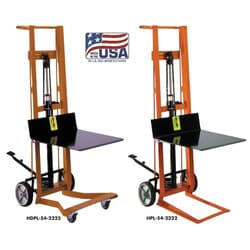
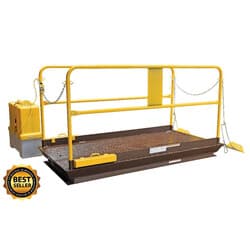
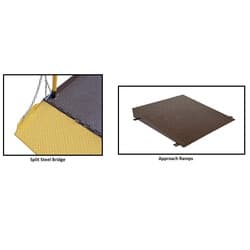
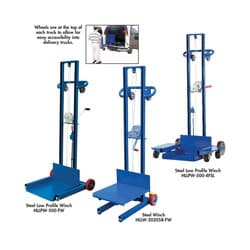
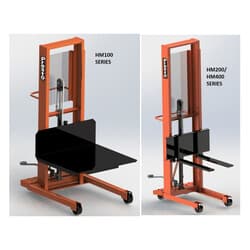
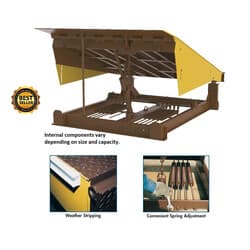

How to Choose the Right Industrial Dock Equipment Lift
Choosing the right dock equipment lift starts with understanding your lifting requirements, load capacity, working height, and application. Whether you are handling heavy materials, positioning equipment, loading trucks, or performing maintenance tasks, selecting suitable lifting equipment can improve workplace efficiency and material handling operations.
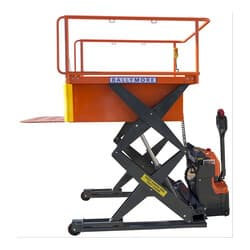
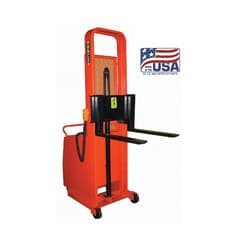
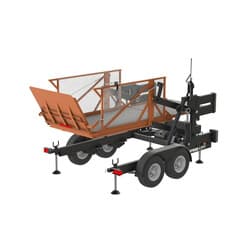
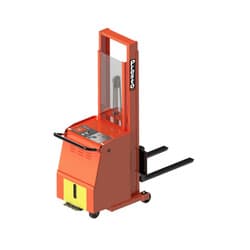
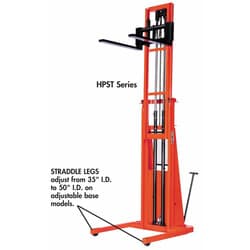
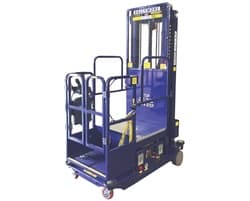
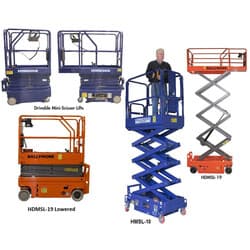
For warehouse loading and unloading applications, hydraulic truck dock scissor lifts and dock lifts help raise or lower materials between different working heights. Counterbalance lift trucks and straddle stackers are useful for handling and positioning palletized loads. For maintenance departments and elevated work applications, personnel maintenance lifts and vertical mast lifts provide access to elevated work areas when used according to their rated capacity and safety requirements.
You should also consider the power source, operating mechanism, mobility, platform dimensions, and available safety features. Electric and battery-powered lifts may be suitable for facilities that require powered lifting solutions, while manually operated lifts can support certain lighter-duty applications. Always verify the manufacturer's specifications, floor requirements, and operating guidelines before purchasing lifting equipment.
Key Features to Look for in Industrial Dock Equipment Lifts
-
Load Capacity: Select equipment with a rated lifting capacity that meets or exceeds your intended load requirements. Never exceed the manufacturer's specified weight limit.
-
Lifting Height: Check the minimum and maximum lifting heights to ensure the equipment can reach your required working or loading level.
-
Lift Type: Compare hydraulic scissor lifts, counterbalance lifts, maintenance lifts, and work positioners based on the intended application.
-
Power Source: Consider manual, hydraulic, electric, or battery-powered options depending on your facility's operating requirements.
-
Platform Size: Verify platform dimensions to ensure adequate space for the intended materials, equipment, or approved personnel applications.
-
Mobility and Maneuverability: Evaluate wheel configuration, turning space, and portability when selecting equipment for different work areas.
-
Safety Features: Check for manufacturer-provided safety systems such as emergency stops, overload protection, platform guardrails, and appropriate stabilization features.
-
Durability and Construction: Review frame materials, hydraulic components, and overall construction to identify equipment suitable for your operating environment.
-
Maintenance Requirements: Consider inspection schedules, replacement components, serviceability, and manufacturer maintenance recommendations.
Industries That Use Industrial Dock Equipment Lifts
-
Warehousing and Distribution: Loading and unloading materials, positioning pallets, and transferring products between different working heights.
-
Manufacturing: Raising components, positioning materials for production, and supporting assembly line operations.
-
Automotive: Vehicle component handling, equipment maintenance, parts positioning, and workshop lifting applications.
-
Logistics and Transportation: Supporting loading dock operations, freight handling, and material transfers between trucks and warehouse platforms.
-
Construction and Maintenance: Providing approved elevated access for equipment servicing, facility maintenance, and repair operations.
-
Retail and Commercial Distribution: Handling inventory, transferring bulk merchandise, and supporting back-of-store material movement.
-
Industrial Facilities: Positioning heavy equipment, moving materials, and improving workflow in production and maintenance departments.
Frequently Asked Questions About Industrial Dock Equipment Lifts
Q1: What is an industrial dock equipment lift used for?
Industrial dock equipment lifts are used to raise, lower, and position materials, equipment, or approved personnel depending on the specific lift design. They support applications such as truck loading and unloading, warehouse material handling, equipment maintenance, and production operations. The correct lift depends on the load, required lifting height, and working environment.
Q2: What is the difference between a hydraulic scissor lift and a counterbalance lift?
A hydraulic scissor lift uses a scissor-shaped lifting mechanism to raise a platform vertically. It is commonly used for lifting materials or providing elevated access when designed and rated for that purpose. A counterbalance lift uses a counterweight system to balance loads during lifting and handling operations. It is commonly used for material positioning and handling applications. Both equipment types have different operating requirements and load limitations.
Q3: How do I determine the correct lifting capacity?
First, calculate the total weight of the materials or equipment you intend to lift, including any attachments or accessories. Then select a lift with an appropriate manufacturer-rated capacity. Also consider load distribution, platform dimensions, lifting height, and operating conditions. Never exceed the rated capacity specified by the manufacturer.
Q4: Are electric and battery-powered dock lifts available?
Yes, electric and battery-powered lifting equipment options are available in this category. These models can support facilities that require powered lifting and positioning operations. The appropriate choice depends on lifting capacity, operating height, battery requirements, charging arrangements, and the frequency of use.
Q5: What is a hydraulic truck dock scissor lift used for?
A hydraulic truck dock scissor lift is designed to raise or lower loads between different height levels during loading and unloading operations. It can help bridge height differences between dock areas, vehicles, and material handling surfaces. Always verify the equipment's platform size, rated capacity, installation requirements, and operating specifications before selecting a model.
Q6: What safety features should I check before purchasing a dock equipment lift?
Look for appropriate manufacturer-specified safety features such as emergency stop controls, overload protection, guardrails where applicable, safety interlocks, and stabilization systems. Requirements vary depending on the type of lift and its intended application. Operators should follow the manufacturer's instructions, inspection procedures, and applicable workplace safety regulations.
Q7: Can I order industrial dock equipment lifts in bulk for my facility?
For larger equipment requirements, contact Janeice Products Co Inc to discuss product availability, quantities, and pricing. The team can help you identify suitable lifting equipment based on your facility's operational needs. Call +1 803-652-3025 or submit a Quote Request through the website to discuss your requirements.
Q8: Does Janeice Products ship dock equipment lifts across the United States?
Janeice Products Co Inc serves customers nationwide from its facility in Aiken, South Carolina. Shipping methods, freight arrangements, costs, and estimated delivery timelines depend on the equipment type, dimensions, order quantity, and destination. Contact the team at +1 803-652-3025 to confirm shipping details and freight requirements before placing your order.