
 Deals Of The Day
 Top Sellers
 Top Trending
 New Arrivals
 Shop By Brands
Dock Equipment Bumpers

How to Choose the Right Dock Equipment Bumpers
Choosing the right dock equipment bumpers starts with understanding your loading dock configuration, vehicle types, and daily shipping operations. Dock bumpers help absorb impact when trucks and trailers approach loading areas, reducing the risk of damage to dock walls, building structures, and vehicle contact points. Consider the frequency of truck traffic, loading conditions, bumper dimensions, projection requirements, and the type of impact protection needed for your facility.
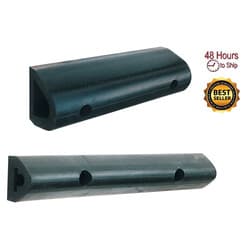
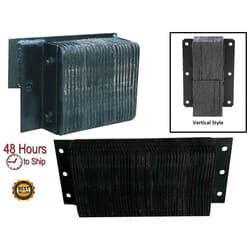
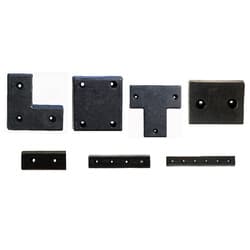
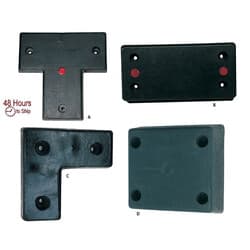
For busy distribution centers and manufacturing facilities, heavy-duty laminated dock bumpers provide durable impact protection for frequently used loading areas. Molded rubber dock bumpers offer a practical option for general-purpose applications, while extruded dock bumpers can be suitable for specific mounting and protection requirements. Dock stops and trailer bumpers provide additional protection for designated vehicle contact points.
Before purchasing, measure the available mounting area and confirm the required bumper height, width, depth, and projection. Also consider the mounting surface, available hardware, and compatibility with your dock design. Selecting the appropriate bumper helps minimize maintenance costs and supports the long-term protection of your loading dock infrastructure.
Key Features to Look for in Dock Equipment Bumpers
-
Impact Absorption: Choose bumpers designed to absorb repeated contact and help reduce damage to dock structures and vehicles.
-
Material Quality: Consider molded rubber, laminated rubber, or extruded rubber based on the required durability and application.
-
Dimensions and Projection: Verify bumper height, width, thickness, and projection to ensure adequate protection for your dock configuration.
-
Load and Traffic Conditions: Consider the size of trucks, frequency of deliveries, and intensity of loading dock operations.
-
Mounting Compatibility: Check mounting hole patterns, brackets, fasteners, and installation requirements before ordering.
-
Weather Resistance: For outdoor loading docks, consider materials suitable for exposure to sunlight, moisture, temperature changes, and regular environmental conditions.
-
Product Design: Select from laminated, molded, extruded, or other bumper styles according to your facility's protection requirements.
-
Maintenance Requirements: Choose durable products that are appropriate for your operating environment and routine inspection schedule.
Types of Dock Equipment Bumpers and Their Applications
-
Laminated Dock Bumpers: Designed for heavy-duty loading dock applications where repeated truck contact requires durable impact protection.
-
Molded Dock Bumpers: Suitable for general loading dock protection and applications requiring molded rubber construction.
-
Extruded Dock Bumpers: Used in specific dock protection applications where an extruded profile and mounting configuration are required.
-
Loading Dock Bumpers: Help protect dock walls and building structures from repeated contact during truck loading and unloading.
-
Trailer Bumpers: Provide impact protection at designated trailer contact points and loading areas.
-
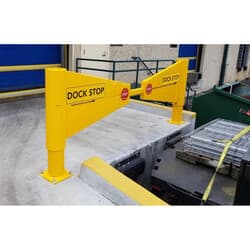
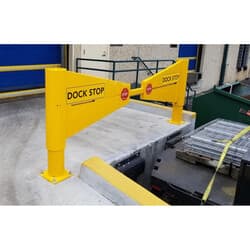
Dock Stops: Help establish designated stopping positions for vehicles and support consistent positioning during loading operations.
-
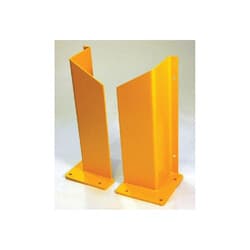
Door Track Steel Guards: Help protect vulnerable door track areas from accidental impact by equipment and vehicles.
-
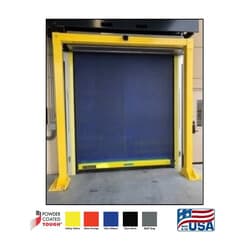
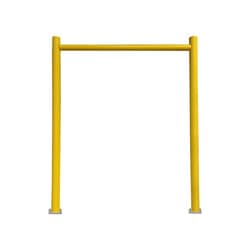
Goal Post Door Guards: Help protect overhead door structures and surrounding areas from accidental vehicle contact.
-
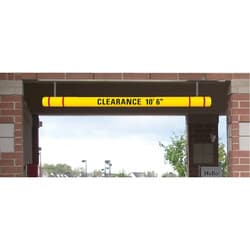
Height Guard Clearance Bars: Help identify height restrictions and provide a visible warning to vehicles approaching restricted areas.
Industries That Use Dock Equipment Bumpers
-
Warehousing & Distribution: Protection for loading dock walls, truck contact points, and busy shipping and receiving areas.
-
Manufacturing: Impact protection around loading bays, material handling zones, and industrial shipping facilities.
-
Transportation & Logistics: Protection for truck terminals, freight facilities, and trailer loading and unloading areas.
-
Retail & Wholesale Distribution: Dock protection for warehouses, distribution centers, and commercial delivery facilities.
-
Cold Storage & Food Distribution: Suitable dock protection solutions for refrigerated warehouses and temperature-controlled distribution facilities, subject to material requirements.
-
Automotive & Industrial Facilities: Protection for vehicle service areas, industrial loading zones, and equipment handling locations.
-
Construction & Building Facilities: Protection for loading areas, building edges, and vehicle access points.
Frequently Asked Questions About Dock Equipment Bumpers
Q1: What are dock equipment bumpers used for?
Dock equipment bumpers are designed to absorb impact when trucks and trailers approach loading docks. They help protect building walls, dock structures, loading areas, and vehicle contact points from repeated impact damage. They are commonly used in warehouses, distribution centers, manufacturing facilities, and logistics operations.
Q2: What is the difference between laminated and molded dock bumpers?
Laminated dock bumpers are generally manufactured using layers of rubber compressed and bonded together to provide durable impact protection for heavy-duty loading dock applications. Molded dock bumpers are manufactured in a molded shape and are available in different configurations for various dock protection requirements. The right option depends on your application, dimensions, and expected impact conditions.
Q3: How do I choose the correct size of a loading dock bumper?
Measure the mounting area and determine the required bumper height, width, thickness, and projection. Consider the height of the truck or trailer contact points and the distance between the vehicle and dock structure. Also verify the mounting configuration and product specifications to ensure the bumper provides suitable protection.
Q4: Are rubber dock bumpers suitable for outdoor use?
Many rubber dock bumpers are designed for industrial environments, including outdoor loading dock applications. However, weather resistance can vary depending on the rubber compound and product construction. Check the manufacturer's specifications for suitability under exposure to sunlight, moisture, temperature changes, and other environmental conditions.
Q5: How often should dock equipment bumpers be inspected?
Dock bumpers should be inspected regularly as part of your facility's maintenance program. Look for cracks, excessive wear, missing mounting hardware, loose fasteners, and signs of deformation. Facilities with frequent truck traffic may require more frequent inspections. Replace damaged bumpers when they no longer provide adequate protection.
Q6: What is the purpose of dock stops and trailer bumpers?
Dock stops and trailer bumpers serve different vehicle positioning and impact protection purposes depending on their design. Dock stops can help establish designated stopping positions, while trailer bumpers help protect specific trailer contact areas. Always select products according to the manufacturer's intended application and installation requirements.
Q7: Can I order dock equipment bumpers in bulk for my warehouse or distribution center?
For larger facility requirements, contact Janeice Products Co Inc to discuss product availability, order quantities, and pricing. Our team can help you identify suitable dock protection products based on your loading dock configuration and application requirements. Call +1 803-652-3025 or submit a Quote Request through our website.
Q8: Does Janeice Products ship dock equipment bumpers nationwide?
Janeice Products Co Inc serves customers across the United States from its facility in Aiken, South Carolina. Shipping methods, costs, and estimated delivery timelines depend on product availability, order quantities, dimensions, and destination. Contact our team at +1 803-652-3025 to confirm shipping details before placing a large order.