
 Deals Of The Day
 Top Sellers
 Top Trending
 New Arrivals
 Shop By Brands
Conveyors Flexible
How to Choose the Right Flexible Conveyor
Choosing the right flexible conveyor starts with understanding your material handling requirements, available floor space, and workflow. Consider the type, size, and weight of the items being transported, the required conveyor length, and how frequently the conveyor layout needs to change. Flexible conveyors are particularly useful in warehouses, shipping departments, and distribution centers where loading and unloading locations may vary.
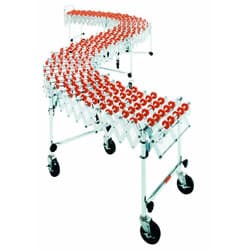
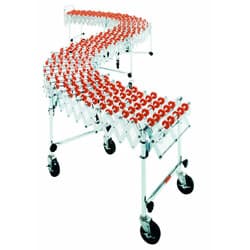
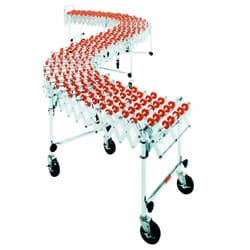
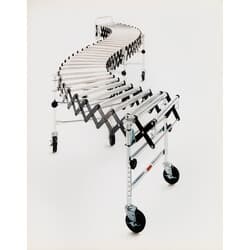
Accordion expandable conveyors are designed to extend, contract, and adjust to different working positions, making them useful for temporary material transfer operations and truck loading or unloading. Wheel conveyors are suitable for moving compatible cartons, packages, and other unit loads across a conveyor path. Heavy-duty accordion wheel conveyors are designed for more demanding applications, while medium-duty roller conveyors can support routine package handling in warehouses and production facilities.
Before purchasing, evaluate the conveyor's load capacity, extended and retracted length, roller or wheel spacing, and height adjustment range. Also consider the floor surface, available turning radius, and whether the conveyor needs to connect with existing material handling equipment. Selecting the correct conveyor specifications helps improve workflow efficiency and ensures compatibility with your facility's handling requirements.
Key Features to Look for in Flexible Conveyors
-
Load Capacity: Check the maximum load rating per foot or conveyor section and ensure it supports the weight of the materials being transported.
-
Expandable Design: Choose accordion-style conveyors that can extend and contract according to changing loading and unloading requirements.
-
Conveyor Type: Select wheel conveyors or roller conveyors based on package dimensions, bottom surface, and material movement requirements.
-
Height Adjustment: Look for adjustable-height models when conveyors need to connect with different truck beds, docks, or workstations.
-
Mobility: Consider models with locking casters or wheels for repositioning conveyors between different operational areas.
-
Conveyor Length: Compare the fully extended and retracted lengths to ensure the conveyor fits your available workspace.
-
Construction Quality: Evaluate the frame, wheels, rollers, and support structure for durability under regular industrial use.
-
Flexibility and Maneuverability: Consider conveyor turning capability and layout flexibility when handling materials around corners or through changing work areas.
Industries That Use Flexible Conveyors
-
Warehousing & Distribution: Package movement, order fulfillment, sorting operations, and material transfer between warehouse sections.
-
Shipping & Logistics: Loading and unloading cartons, parcels, and packages from delivery trucks and shipping containers.
-
Manufacturing: Moving components, finished products, and packaged goods between production and assembly workstations.
-
E-commerce & Fulfillment Centers: Supporting picking, packing, dispatch, and outbound shipping operations.
-
Retail & Wholesale Distribution: Transferring cartons and merchandise through receiving, storage, and distribution areas.
-
Automotive & Industrial Facilities: Moving compatible parts, packaged components, and supplies between operational workstations.
-
Transportation & Freight Operations: Improving package handling and material movement in freight terminals and loading facilities.
Frequently Asked Questions About Flexible Conveyors
Q1: What is a flexible conveyor?
A flexible conveyor is a material handling system designed to extend, contract, and adapt to different workspace layouts. It helps transport cartons, packages, and other compatible items between locations without requiring a permanently fixed conveyor installation. Flexible conveyors are commonly used in warehouses, distribution centers, shipping departments, and manufacturing facilities.
Q2: What is the difference between a wheel conveyor and a roller conveyor?
Wheel conveyors use a series of individual wheels to move compatible packages along a conveyor path. They are commonly used for carton and package handling. Roller conveyors use cylindrical rollers to support and move materials along the conveyor surface. The right choice depends on package dimensions, bottom surface, load requirements, and the intended application.
Q3: What are accordion expandable conveyors used for?
Accordion expandable conveyors are used for material handling operations where conveyor length and layout need to change frequently. They can extend for loading and unloading operations and retract when not required, helping save valuable floor space. They are particularly useful in shipping departments, warehouses, and truck loading areas.
Q4: What is the difference between heavy-duty and medium-duty flexible conveyors?
Heavy-duty flexible conveyors are intended for applications requiring higher load-handling capacity and more robust construction. Medium-duty flexible conveyors are generally suited to routine package and carton movement in warehouses and distribution facilities. Always compare the manufacturer's load capacity and specifications before selecting a model.
Q5: Can flexible conveyors be used for truck loading and unloading?
Yes, flexible conveyors are commonly used for truck loading and unloading operations. Their expandable design allows the conveyor to extend toward the vehicle and adapt to changing loading positions. Select a model with appropriate length, height adjustment, mobility, and load capacity for your specific operation.
Q6: How do I determine the correct conveyor length?
Measure the distance between the material pickup point and the delivery or unloading location. Consider both the fully extended and retracted conveyor lengths, along with any turns or changes in direction required. Make sure the selected conveyor can accommodate your workspace without obstructing walkways or other equipment.
Q7: Are flexible conveyors easy to move and store?
Many flexible conveyors are designed with mobility in mind and may include casters or other movement features. Expandable models can contract when not in use, helping reduce the space required for storage. Check the individual product specifications for caster availability, locking mechanisms, and storage dimensions.
Q8: Can I order flexible conveyors in bulk for my warehouse or facility?
For larger material handling requirements, contact Janeice Products Co Inc to discuss product availability, quantities, and pricing. The team can help you identify suitable conveyor options based on your operational requirements. Call +1 803-652-3025 or submit a quote request through the website.
Q9: Does Janeice Products ship flexible conveyors across the United States?
Janeice Products Co Inc serves customers nationwide from Aiken, South Carolina. Shipping methods, costs, and estimated delivery timelines depend on product availability, order size, dimensions, and destination. Contact the team at +1 803-652-3025 to confirm shipping details before placing a large order.