
 Deals Of The Day
 Top Sellers
 Top Trending
 New Arrivals
 Shop By Brands
Conveyors Ball Transfer
How to Choose the Right Ball Transfer Conveyor
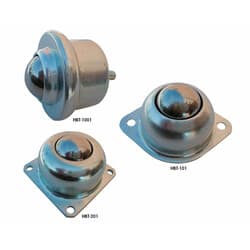
Choosing the right ball transfer conveyor starts with understanding your material handling requirements, product dimensions, load capacity, and workflow. Ball transfer units use multiple rotating balls to allow materials to move smoothly in different directions across a supporting surface. They are commonly used for transferring boxes, containers, panels, and other flat-bottomed loads between workstations and conveyor systems.
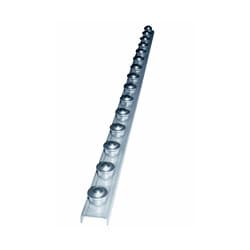
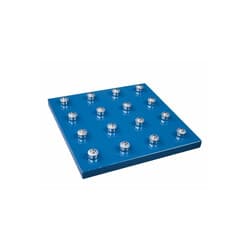
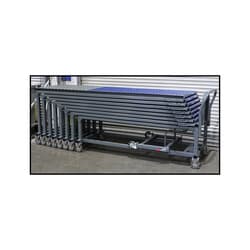
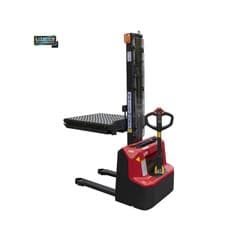
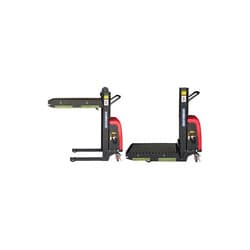
For assembly lines and material handling stations, ball transfer rails provide convenient movement of products along designated transfer points. Ball transfer table tops are useful for workstations where operators need to reposition materials in multiple directions. For applications requiring continuous material movement, powered and semi-powered ball transfer conveyor tables can help support more efficient handling operations.
Before selecting a system, consider the weight and dimensions of the materials being transferred, the number and spacing of ball transfer units, and the required table or conveyor dimensions. Ensure that the load has a sufficiently flat and rigid bottom surface to make proper contact with the transfer balls. Also verify the manufacturer's load ratings and installation requirements to ensure safe and reliable operation.
Key Features to Look for in Ball Transfer Conveyors
- Load Capacity: Check the rated load capacity of individual ball transfer units and the complete table or conveyor system.
- Ball Material: Select steel, stainless steel, or other available ball materials according to load requirements and operating conditions.
- Ball Spacing: Ensure the spacing between transfer balls provides adequate support for the smallest and largest items being handled.
- Multidirectional Movement: Choose ball transfer equipment that allows products to move in multiple directions for flexible workstation operations.
- Table and Rail Dimensions: Match the conveyor width, length, and working height to your existing production line or material handling layout.
- Powered or Non-Powered Operation: Determine whether a standard ball transfer surface, semi-powered system, or fully powered conveyor table best suits your workflow.
- Durability: Consider construction materials, operating environment, maintenance requirements, and manufacturer specifications.
- Replacement Components: Check the availability of replacement ball styles and components to support ongoing equipment maintenance.
Industries That Use Ball Transfer Conveyors
- Manufacturing: Moving components between assembly stations, production lines, inspection areas, and workstations.
- Warehousing and Distribution: Repositioning cartons, packages, and containers during sorting, packing, and material handling operations.
- Packaging and Shipping: Supporting the movement and positioning of packages at packing stations and dispatch areas.
- Automotive: Transferring automotive components, panels, and assemblies between manufacturing and inspection workstations.
- Metalworking: Handling sheet materials, metal panels, and other suitable flat-bottomed workpieces during fabrication processes.
- Assembly Operations: Allowing operators to reposition products and components efficiently during assembly and production tasks.
- Industrial Material Handling: Connecting workstations, transfer points, and conveyor systems to improve material movement throughout facilities.
Frequently Asked Questions About Ball Transfer Conveyors
Q1: What is a ball transfer conveyor?
A ball transfer conveyor is a material handling system that uses multiple rotating ball units to support and move objects in different directions. It allows operators to reposition boxes, containers, panels, and other suitable materials with less manual effort. These systems are commonly used in manufacturing, packaging, assembly, and warehouse operations.
Q2: What is the difference between ball transfer rails and ball transfer tables?
Ball transfer rails are linear arrangements of ball transfer units designed to support material movement along a specific path or transfer point. Ball transfer tables provide a larger supporting surface with multiple ball units, allowing products to move and rotate in different directions. The right option depends on your workstation layout and material handling requirements.
Q3: What types of materials can be moved using ball transfer conveyors?
Ball transfer conveyors are generally suitable for materials with flat, rigid, and sufficiently supported bottom surfaces, including boxes, containers, metal sheets, panels, and industrial components. The suitability depends on the product's dimensions, weight, bottom construction, and the conveyor's load capacity.
Q4: What is the difference between powered and semi-powered ball transfer conveyor tables?
Powered ball transfer tables use a powered mechanism to assist material movement, while semi-powered systems combine powered assistance with operator-controlled positioning or movement, depending on the design. Review the manufacturer's operating specifications to determine which system is suitable for your application.
Q5: How do I determine the load capacity of a ball transfer conveyor?
Consider the total weight of the material, how that weight is distributed, the number of supporting ball units, and the manufacturer's rated capacity. Do not assume that the total system capacity is simply the individual ball capacity multiplied by the number of balls. Follow the manufacturer's load distribution and installation guidelines.
Q6: Are replacement ball transfer units available?
Replacement ball styles and components may be available for selected ball transfer equipment. Before ordering replacements, check the original unit's dimensions, mounting configuration, ball material, and compatibility with your existing equipment.
Q7: Can ball transfer conveyors be integrated into existing material handling systems?
Yes, ball transfer rails and tables can be incorporated into suitable material handling layouts, including workstations, conveyor transfer points, and assembly operations. Check the working height, dimensions, load requirements, and connection specifications to ensure compatibility with your existing system.
Q8: Can I order ball transfer conveyor equipment in bulk?
For larger industrial requirements, contact Janeice Products Co Inc to discuss product availability, quantities, and pricing. Our team can help you identify suitable ball transfer rails, table tops, conveyor tables, and replacement components. Call +1 803-652-3025 or submit a quote request through our website.
Q9: Does Janeice Products ship ball transfer conveyor equipment nationwide?
Janeice Products Co Inc serves customers across the United States from its facility in Aiken, South Carolina. Shipping methods, costs, and estimated delivery times depend on product availability, dimensions, order quantity, and destination. Contact our team at +1 803-652-3025 for shipping information before placing a large order.